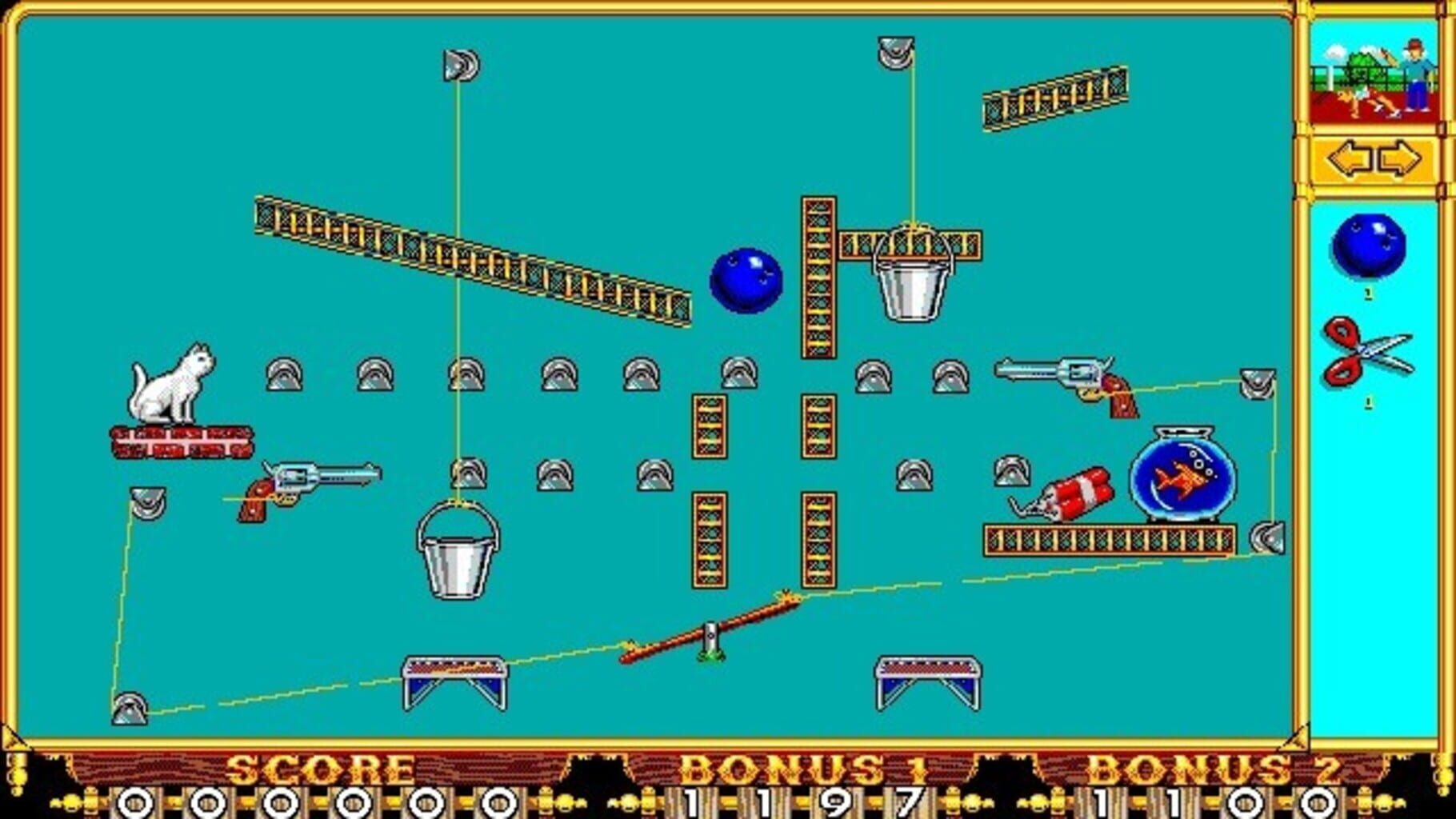
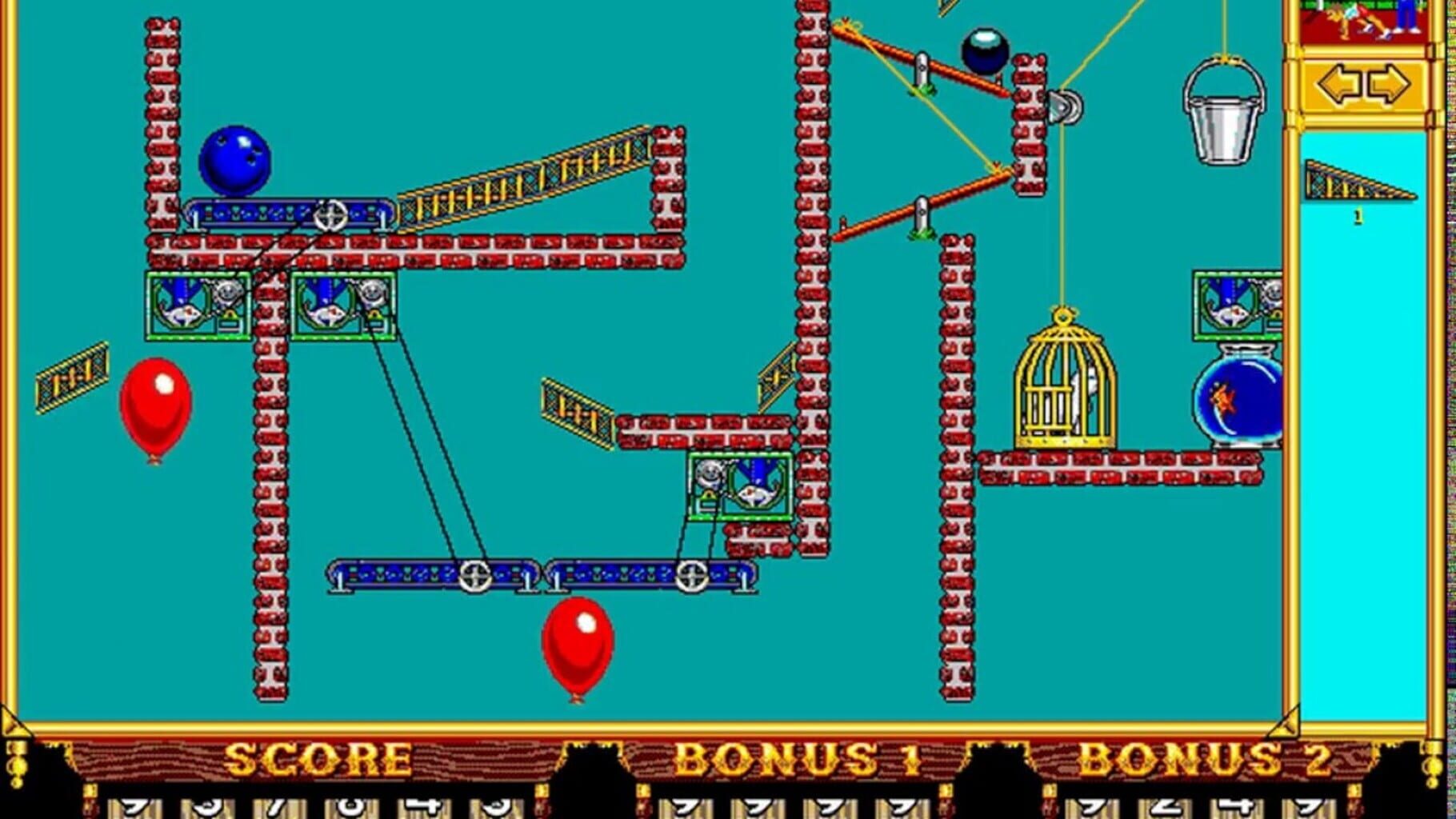
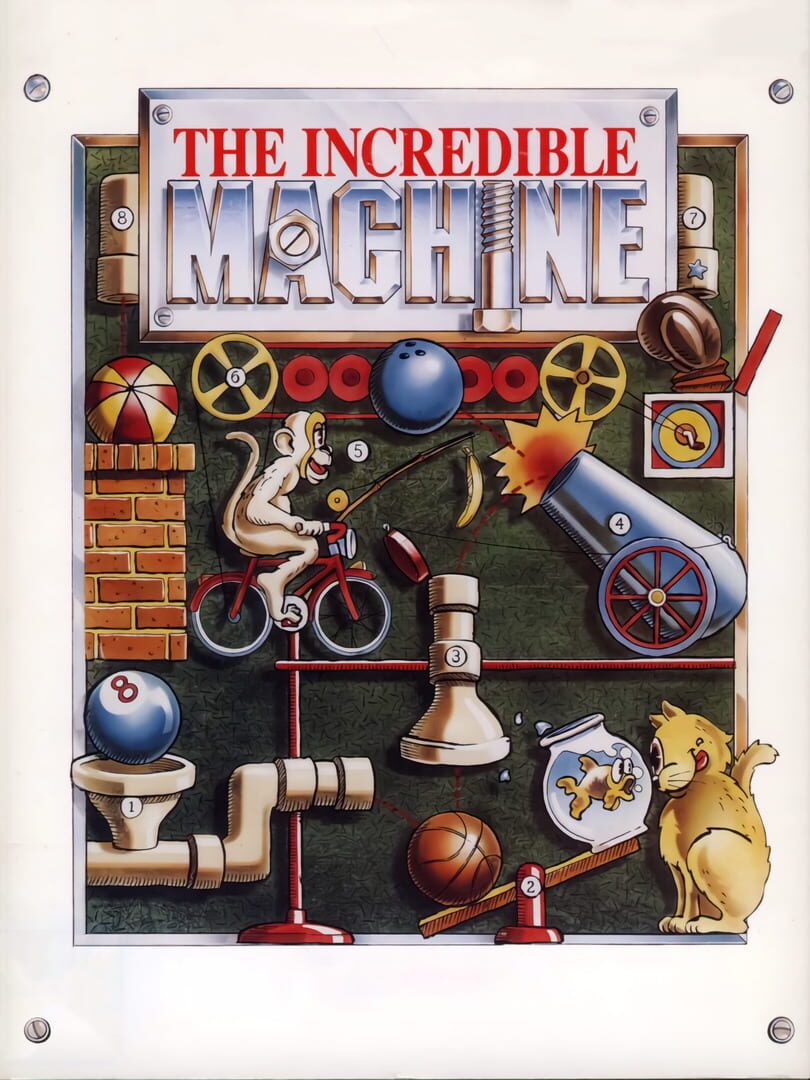
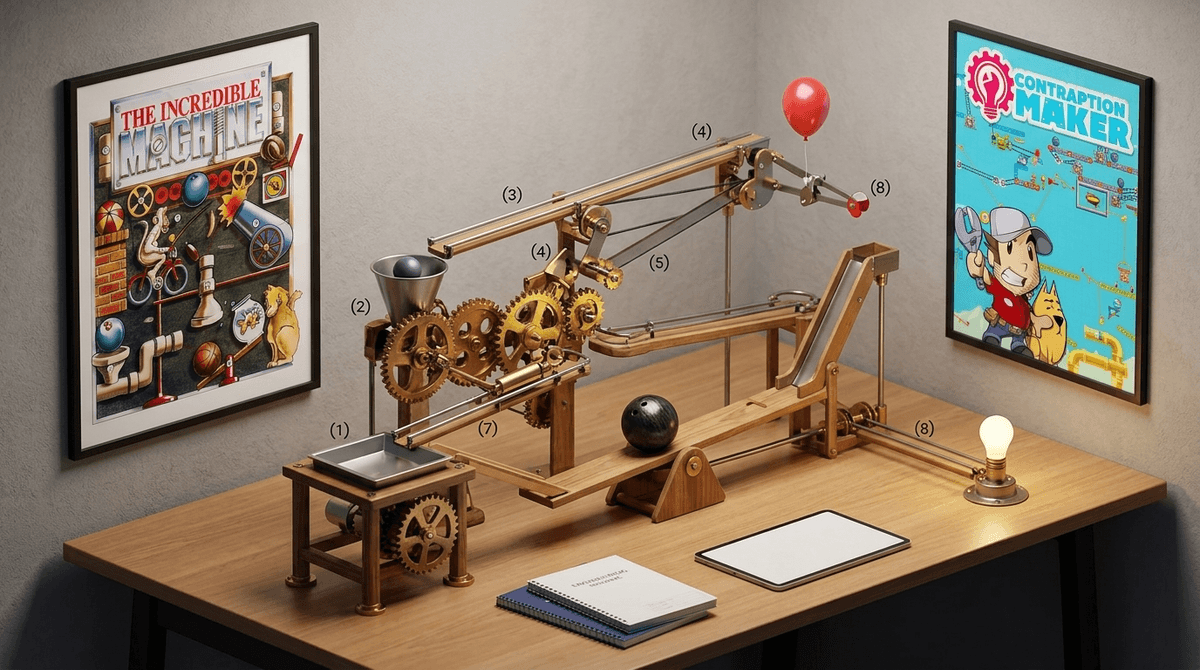
The Incredible Machine is legitimately brilliant game design—it taught a generation of kids about physics through whimsical Rube Goldberg contraptions. The learning is real: cause-and-effect, spatial reasoning, iterative problem-solving.
But let's be honest: this is a DOS game from 1992. The graphics are chunky pixels, the interface is mouse-only and fiddly, and there's zero hand-holding. Modern kids raised on Fortnite and Roblox will likely find it painfully slow and visually unappealing.
If you have a kid who genuinely loves logic puzzles, has patience for retro games, or is into the aesthetic of old-school PC gaming, this can be a gem. Otherwise, you're better off with modern spiritual successors like Contraption Maker or even just letting them mess around in Minecraft redstone. The bones are excellent; the execution is museum-grade.
Age Fit
Best for ages 7-14 who either love retro games or have serious puzzle-solving stamina. Younger kids can grasp the concepts but may need help with the interface. Teens and adults with nostalgia for 90s gaming will appreciate it, but most modern kids will bounce off the dated presentation.
WISE Breakdown
Wholesome
88
The game is entirely non-violent and cooperative in tone. The whimsical setup—cats, mice, pulleys, bowling balls—creates a playful atmosphere without conflict or negativity. No characters are harmed; the worst that happens is your Rube Goldberg contraption fails and you try again.
Imaginative
92
This is pure creative problem-solving. Players must visualize cause-and-effect chains, experiment with physics, and build elaborate contraptions from scratch. The open-ended nature of many puzzles rewards lateral thinking and tinkering—it's essentially a digital physics playground.
Safe
95
No online chat, no in-game purchases, no loot boxes. It's a single-player puzzle game from 1992 with zero modern manipulation tactics. The content is entirely benign—no violence, no inappropriate themes, just pulleys and bowling balls.
Enriching
85
Teaches basic physics concepts (gravity, momentum, cause-and-effect) through hands-on experimentation. Builds spatial reasoning, patience, and iterative problem-solving skills. The trial-and-error loop is genuinely educational without feeling like homework. However, entertainment value is limited by 1990s graphics and interface.
Parent Info
✓
Why It Might Be Great
Genuinely teaches physics concepts (gravity, pulleys, momentum) through playful experimentation
Rewards creative problem-solving and lateral thinking—there's often more than one solution
Zero toxic elements: no timers pressuring you, no ads, no microtransactions, just pure puzzle-solving
The trial-and-error loop builds resilience and iterative thinking
Cats and mice as puzzle components is objectively delightful
⚠
What to Watch For
The 1992 DOS graphics and clunky interface will test modern kids' patience—this isn't Minecraft
Some puzzles are legitimately hard and may require adult help or walkthroughs
Running it requires either retro hardware, DOSBox, or a remastered version—not plug-and-play
Conversation Starters
"What happened when you tried putting the bowling ball there? Why do you think it didn't work?"
"Can you think of another way to get the ball to hit the target?"
"Have you ever seen a real pulley? Where do people use them in real life?"
"What would happen if we had no gravity like in the game?"