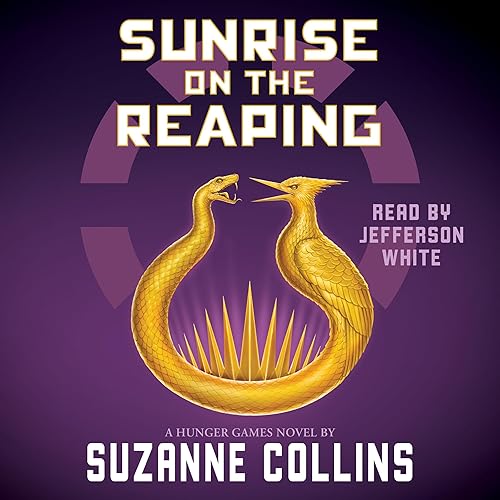
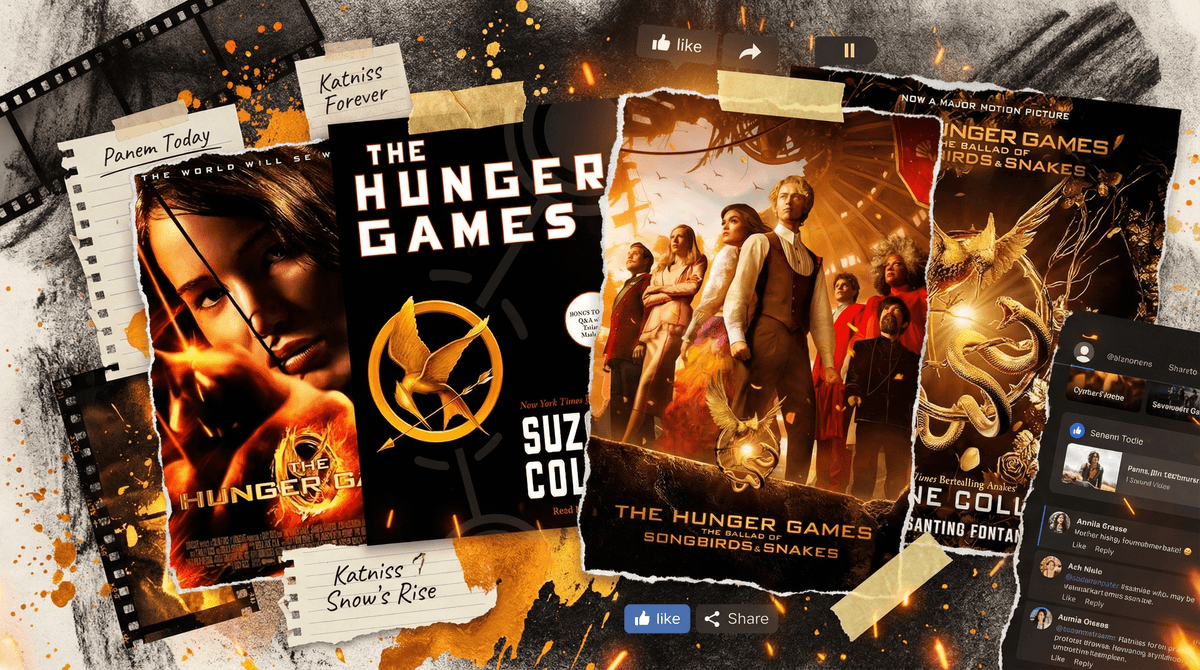
Even in 2026, nearly two decades after Suzanne Collins first introduced us to Panem, this book remains the gold standard for YA dystopia. It’s easy to forget, given the endless sea of imitators that followed, just how mean this book is. It doesn't pull punches. If your kid is coming to this after years of playing Fortnite, they might think they know the "battle royale" vibe, but the book hits differently because it forces you to sit with the hunger and the grief that a video game skips over.
The "Influencer" Angle
What makes the story feel especially relevant right now isn't the survivalism; it’s the performance. Katniss isn't just trying to outrun other kids with spears; she’s trying to win over an audience of bored, wealthy viewers so they’ll send her life-saving supplies.
Modern kids who grew up watching YouTubers and TikTokers will recognize the "brand building" Katniss has to do. She has to pretend to be in love, she has to wear the right clothes, and she has to smile for the cameras while she’s starving. It’s a brutal look at how media can strip away your identity, which is a great pivot point for a conversation about how we present ourselves online today.
Where the Friction Lies
The most intense parts of the book aren't necessarily the fights. It’s the quiet, grim reality of District 12. The book opens with Katniss hunting illegally just to keep her family from starving to death. This isn't "adventure" for her; it’s a grueling necessity.
If your reader is on the younger side of the 12+ recommendation, the "tesserae" system is the thing that usually sticks with them. The idea that you can trade a higher chance of being picked for the Games for a little bit of extra grain is a heavy concept. It’s a masterclass in showing how systems of power turn the poor against each other.
If They Want More
Once your kid finishes the trilogy, they might start looking for other high-stakes mysteries or survival stories. If they’re gravitating toward the psychological side of things—the "how do I outsmart the killer" energy—you might want to check out our parent's guide to Dangerous Impulses. It hits that same "teenagers in peril using their wits" sweet spot that The Hunger Games perfected.
Just a quick heads-up: as this series stays popular, your kids will definitely run into parodies. If they see a movie called The Starving Games on a streaming service and think it’s a fun companion piece, check out our take on why that parody is a hard skip. It trades the smart social commentary of the book for low-brow humor that usually misses the mark for the age group reading the novels.
The "How to Use It" Move
The best way to handle this book is to let them binge it. Don't try to turn every chapter into a lesson. The pacing is designed to be relentless. However, when they get to the end of the first book, ask them about Peeta’s motivation. The "is he faking it or is he real" debate is the engine that drives the character drama, and it’s where the best dinner-table debates happen.
The book is a 4.7 on Amazon for a reason. It’s a rare instance where the hype is actually backed up by tight, disciplined writing that respects a young reader's intelligence.