The "Melanie" Trap
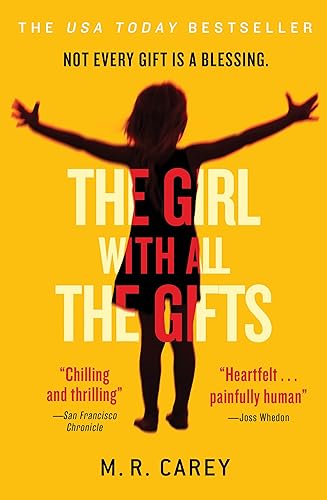
The biggest hurdle with this book is the protagonist’s age. Because Melanie is ten, there is a natural instinct to categorize this alongside middle-grade or "edgy" YA titles. That is a mistake. M.R. Carey isn't writing for the Hunger Games crowd here. He’s writing for an adult audience that can handle the specific, clinical horror of a child being treated like a biological weapon.
The opening chapters are a masterclass in cognitive dissonance. You see Melanie as a "little genius" who loves poetry and her favorite teacher, Miss Justineau. Then you see the Sergeant pointing a gun at her head while she’s strapped into a wheelchair. It’s uncomfortable in a way that typical teen dystopias rarely touch. If your kid is used to the high-stakes but ultimately "safe" thrills of something like the Naturals series—where Killer Instinct or All In provide a dark but structured mystery—this will feel like a cold shower. There are no safety rails here.
Science over Slime
What makes this stand out in a crowded zombie genre is the "fungal infection" hook. It’s not magic or a vague "rage virus." It’s grounded in a terrifyingly plausible biology that makes the "hungries" feel like a legitimate evolutionary shift rather than just monsters in makeup. This intellectual approach is why the book carries such a strong 4.3 rating on Amazon; it respects the reader's intelligence.
The horror isn't just about being eaten. It’s about the loss of identity and the cold, hard math of survival. Dr. Caldwell, the scientist on the base, views Melanie as a specimen to be dissected, not a child to be saved. Those scenes are arguably more disturbing than the actual zombie attacks because they force you to look at the cruelty humans are capable of when they’re scared.
When to Hand it Over
If you’re browsing for sci-fi books for teens and your kid wants something "realistic," this is the deep end of the pool. It’s a great pick for a 17-year-old who thinks they’ve seen everything the genre has to offer. The prose is sharp, the pacing is relentless, and the ending is legendary for how it subverts expectations.
Just know that the "gift" mentioned in the title isn't a superpower in the Marvel sense. It’s a philosophical question about who inherits the earth when the humans have failed to keep it. It’s bleak, it’s beautiful, and it’s heavy. If they’re ready for a story where the "good guys" are often the ones holding the scalpels and the "monsters" are the ones you’re rooting for, they’re ready for this. Otherwise, keep it on your own Kindle for a solo read.