Beyond the pea soup
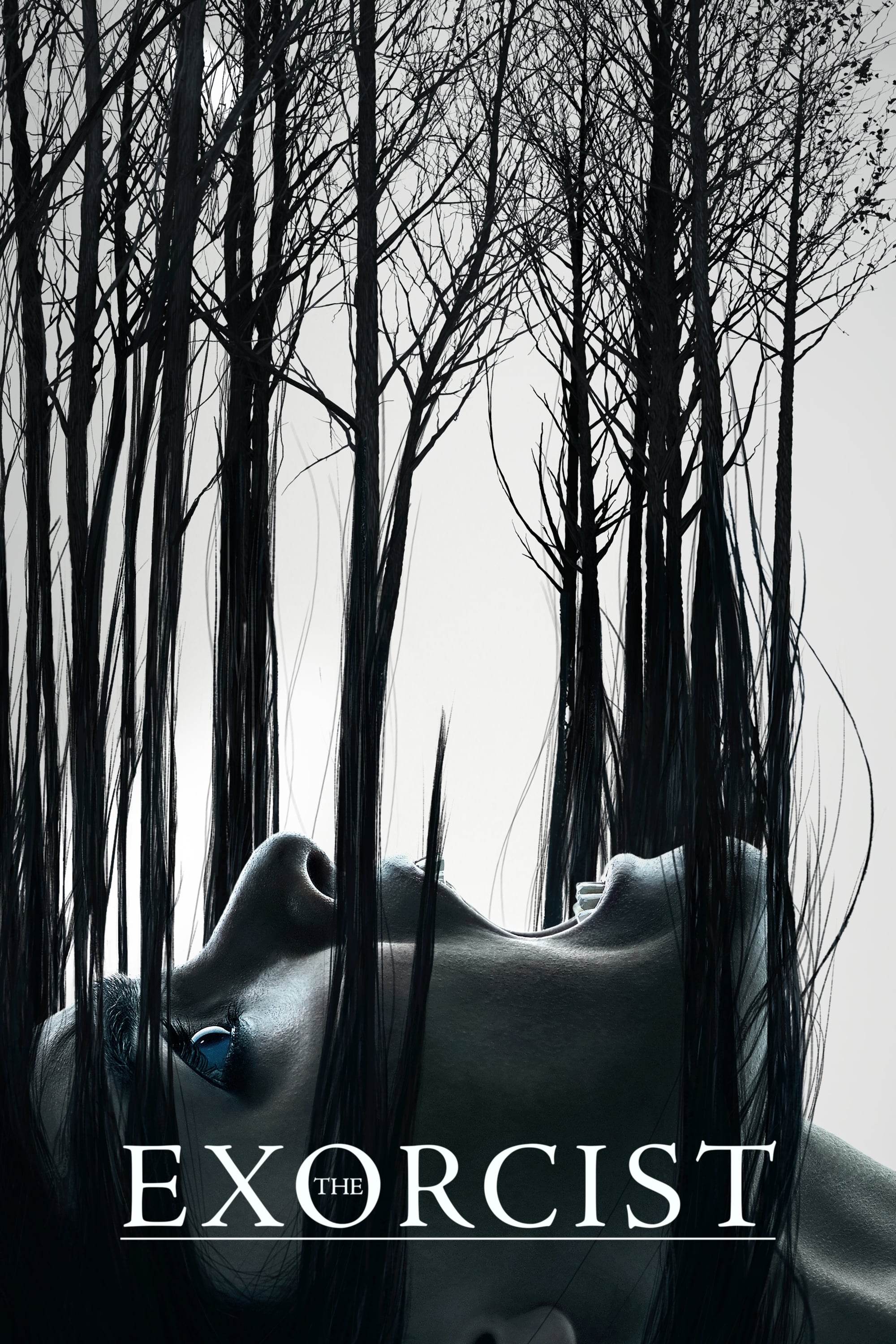
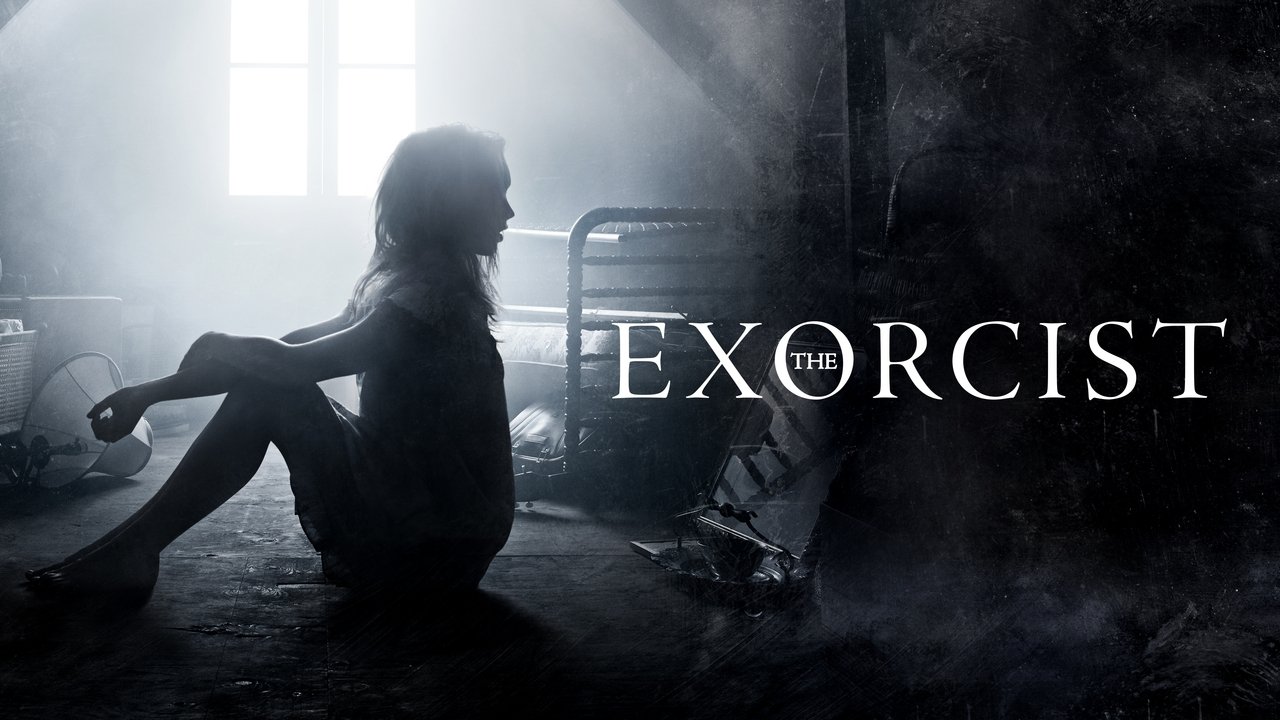
We’ve all seen the 1973 original, or at least the highlights. You know the tropes: the spinning head, the levitation, the priests shouting in Latin. When a TV reboot of a "holy grail" horror property shows up, the instinct is to roll your eyes and assume it’s a watered-down procedural. But this series is a different beast entirely. It manages to be a direct sequel to the original film while standing on its own as a gritty, serialized drama.
The show succeeds because it doesn't just recycle the old scares. It builds a world where the "Exorcism of the Week" isn't a thing. Instead, we get a slow-burn investigation into a single family’s collapse. If your teen has already cycled through the big-budget jump-scare movies and wants something with more meat on its bones, this is the move.
A tale of two priests
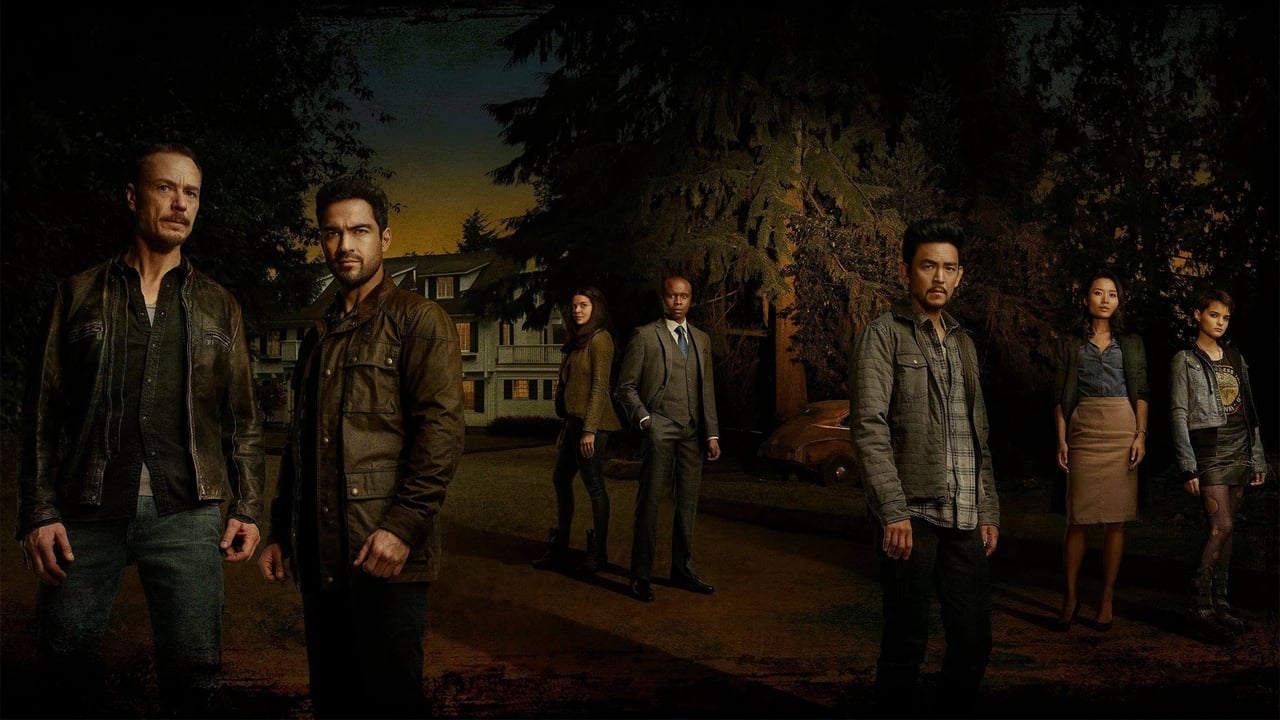
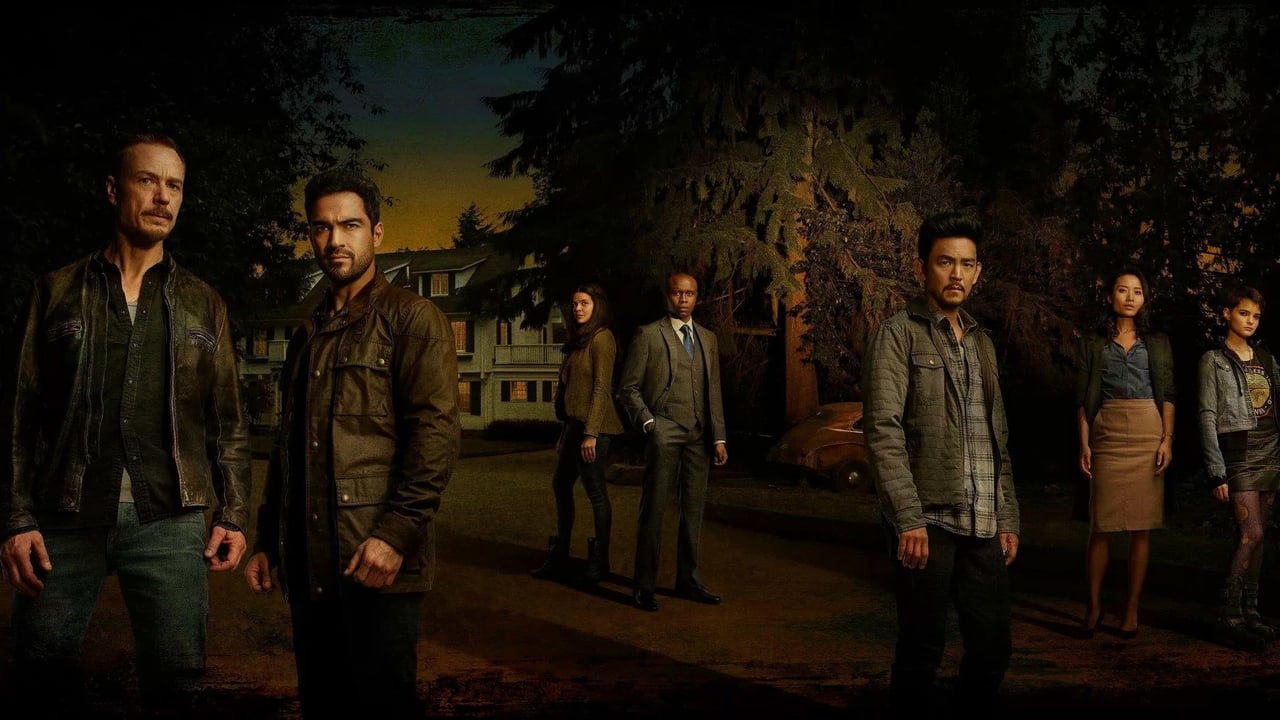
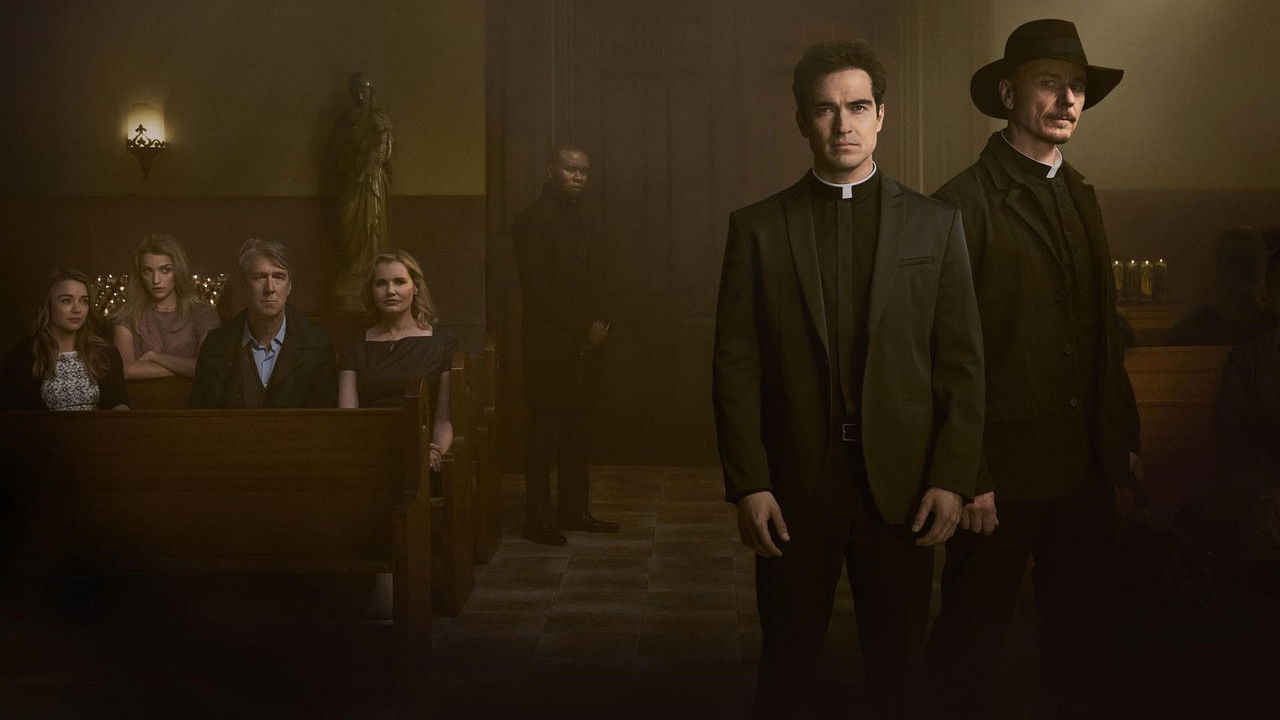
The engine of the show is the relationship between Father Tomas and Father Marcus. It’s a classic "odd couple" setup—the young, idealistic parish priest meets the grizzled, excommunicated veteran—but the execution is top-tier. They represent two very different ways of looking at faith and evil. Tomas is trying to navigate the politics of the modern church, while Marcus is essentially a hard-boiled detective who happens to carry a Bible instead of a Glock.
This isn't just window dressing. Their clashing philosophies drive the plot forward as much as the demonic activity does. It’s a similar vibe to the psychological chess matches found in the parent's guide to The Patient, where the horror is as much about the characters' internal struggles as it is about the external threat.
The "ick" factor is real
While the critics on Rotten Tomatoes and Metacritic clearly appreciated the writing, don't let the "prestige TV" label fool you: this show is gnarly. The body horror is frequent and visceral. We’re talking about bone-snapping contortions, self-mutilation, and some truly upsetting sequences involving animals and children. It’s not "fun" horror in the way a slasher movie might be; it’s oppressive and heavy.
If you’re debating whether a 14-year-old can handle it, think about how they reacted to other high-tension thrillers. If they were fine with the dark, atmospheric dread found in the parent's guide to The Fall, they can probably handle the tone here. But if they’re sensitive to "hopeless" atmospheres where the characters are constantly under siege, this might be a bridge too far.
Why it’s worth the watch
Most horror shows run out of steam by episode four. The Exorcist actually gets better as it goes, culminating in a mid-season twist that recontextualizes everything you thought you knew about the show’s connection to the original movie. It’s a rare example of a series that respects the viewer's intelligence while still trying to scare the absolute hell out of them.
For parents, the takeaway is simple: this is high-quality, R-rated television hiding in a TV-14 wrapper. It’s a great pick for a weekend binge with an older teen who loves the genre, provided everyone is okay with a show that stays in your head long after the credits roll. Just maybe keep the lights on for a bit afterward.