The Newbery-to-Streaming Pipeline
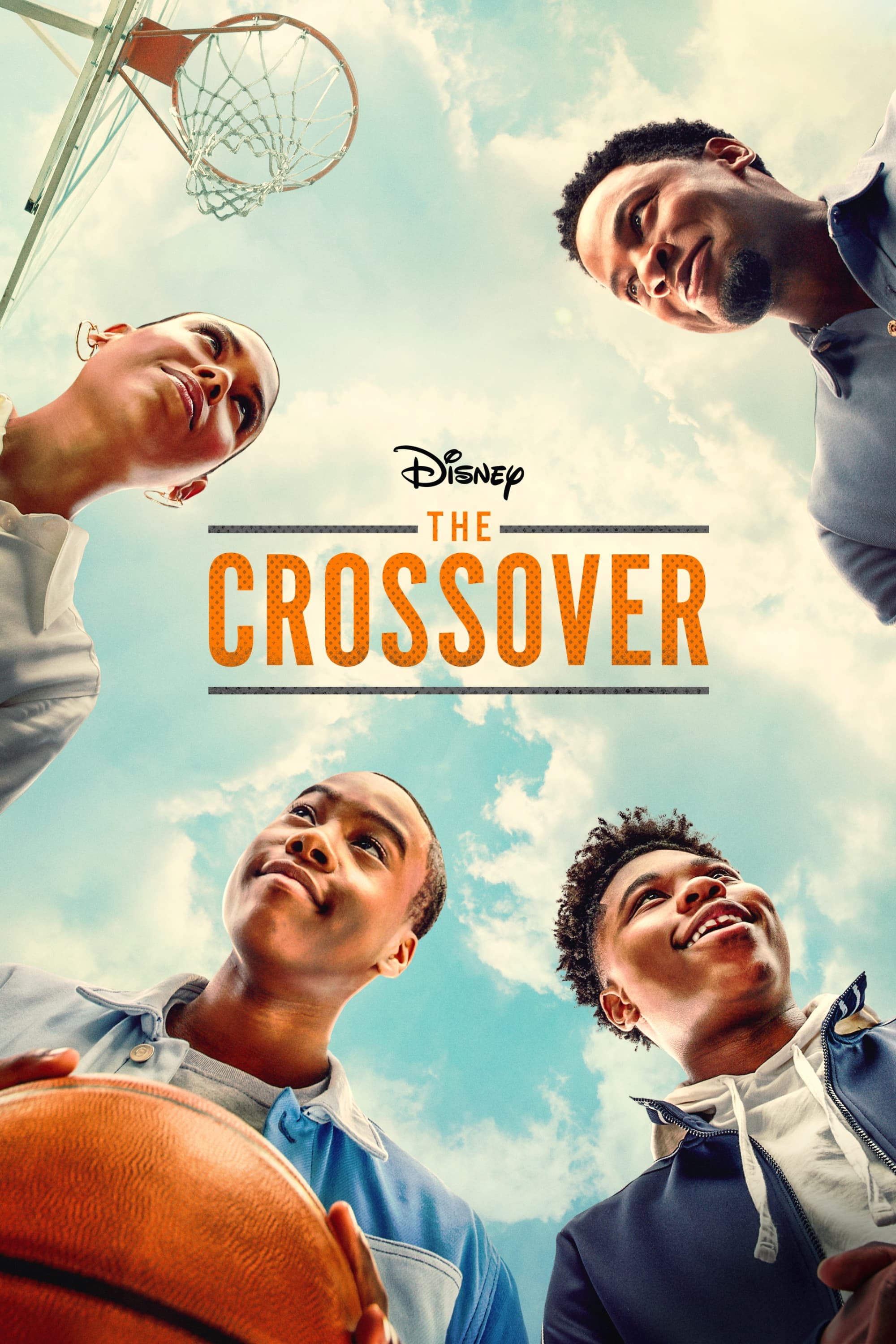
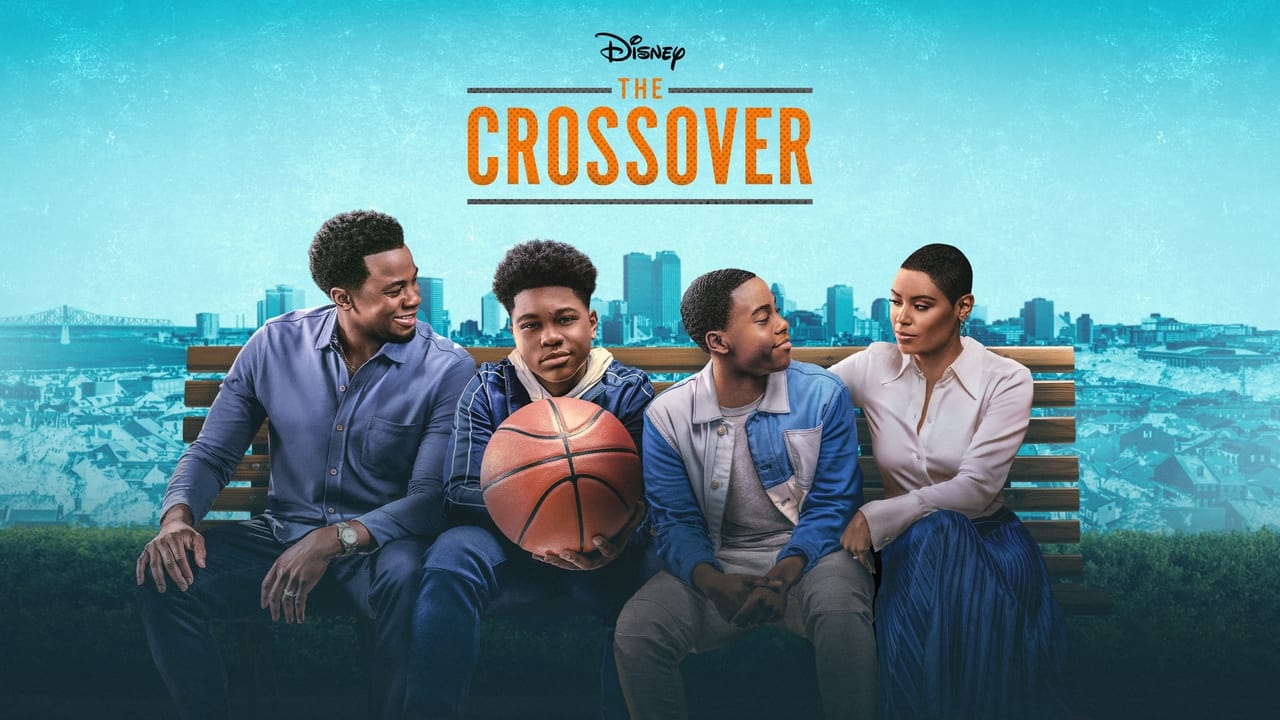
The biggest hurdle for The Crossover is its own pedigree. If your kid was assigned the Kwame Alexander novel in school, they likely experienced a rhythmic, fast-paced story told in verse that felt unlike anything else on their shelf. The Disney+ series, by contrast, feels like a lot of other things on the platform. It trades the unique "bounce" of the poetry for the standard visual language of a high-budget family drama.
That 5.6 IMDb rating is less a reflection of the show being "bad" and more a sign of a mismatch in expectations. Fans of the book wanted that same experimental energy. What they got is a sincere, somewhat slow-moving story about family legacy and the friction of growing up. If you go in expecting a stylistic revolution, you’ll be disappointed. If you go in looking for a solid way to bridge the gap between a school assignment and family movie night, it’s a much more successful play.
More Drama, Less Dunking
Don't let the title or the jerseys fool you: this isn't a sports show in the way The Mighty Ducks or Swagger is. The basketball scenes are often the weakest link, feeling more like choreographed sequences than a gritty look at the sport. The real action happens in the hallways and at the dinner table.
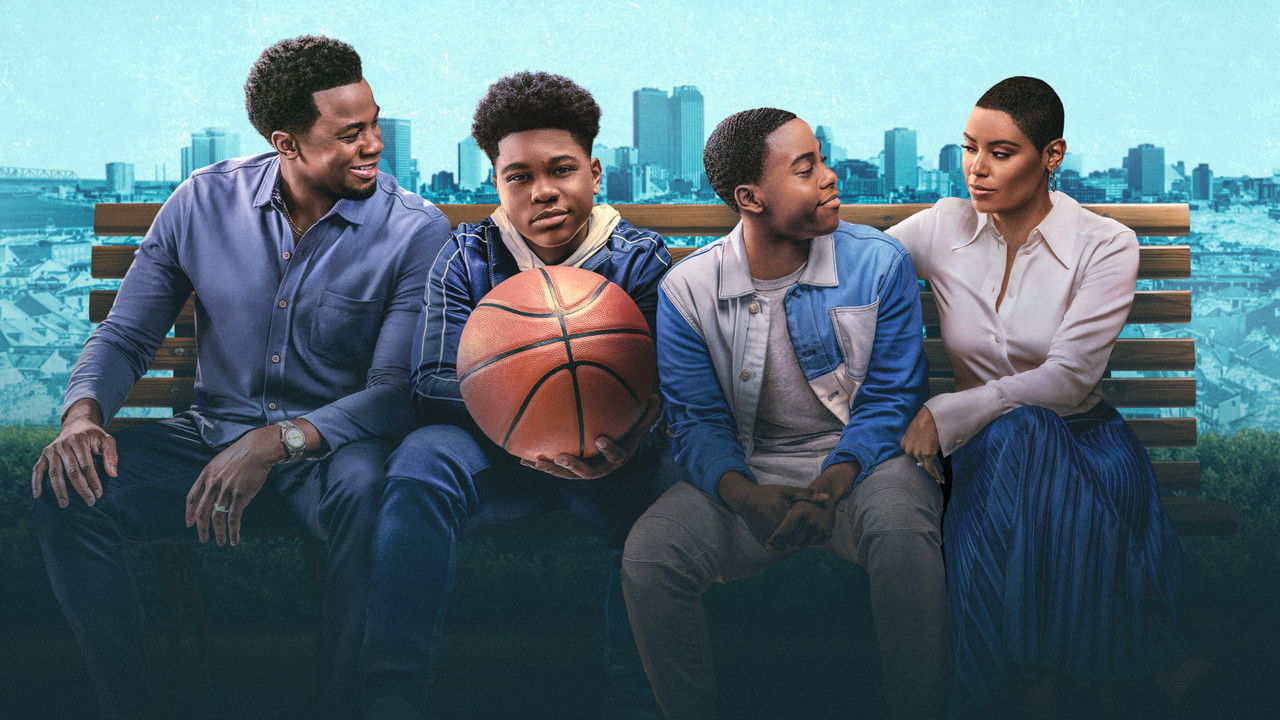
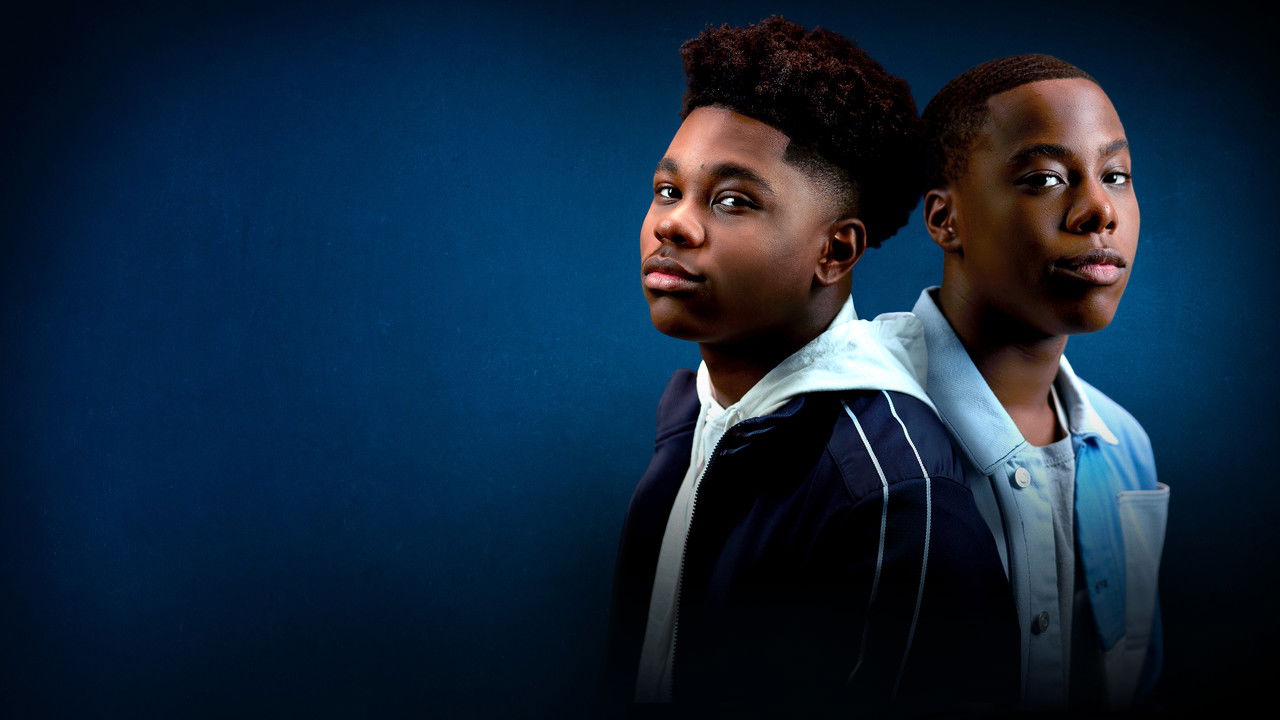
The show shines when it focuses on the "off-court" tension between Filthy and JB. It captures that specific middle-school moment when your "built-in best friend" starts wanting a different life than you do. For parents, the subplot involving the father’s health is the emotional anchor, handled with a level of vulnerability that we don't often see in "tween" programming. It’s one of those rare shows that normalize Black excellence by focusing on the interior lives and emotional intelligence of its characters rather than just their external achievements.
The Screen-to-Page Strategy
If you have a reluctant reader, this show is a high-leverage tool. Because the series expands on the book’s plot, it creates a perfect "what happened next" or "why was that different" dialogue. You can use the show as a carrot to get them through the novel, or vice versa.
We’ve found that kids who engage with both versions end up with a much deeper understanding of the themes. It’s worth checking out The Crossover: Why This Basketball Story is the Ultimate Screen-to-Page Win to see how the two mediums stack up against each other. If the eight-episode commitment feels too heavy for a kid with a short attention span, you might find that The Crossover graphic novel is actually the better "middle ground" between the TV show’s visuals and the book’s original heart.
Is It Worth the Binge?
If your household is currently obsessed with high-octane sports anime or fast-paced sitcoms, The Crossover might feel like it’s running in slow motion. It’s a contemplative show. It asks kids to sit with feelings of jealousy, grief, and identity.
It’s not "must-watch" TV in the sense that everyone will be talking about it at the water cooler, but it is "right-watch" TV for a family with a 12-year-old who is starting to feel the weight of the world. Just be prepared to handle the "it’s boring" complaints during the first two episodes. If they can make it past the setup, the payoff for the brothers' relationship is genuine.