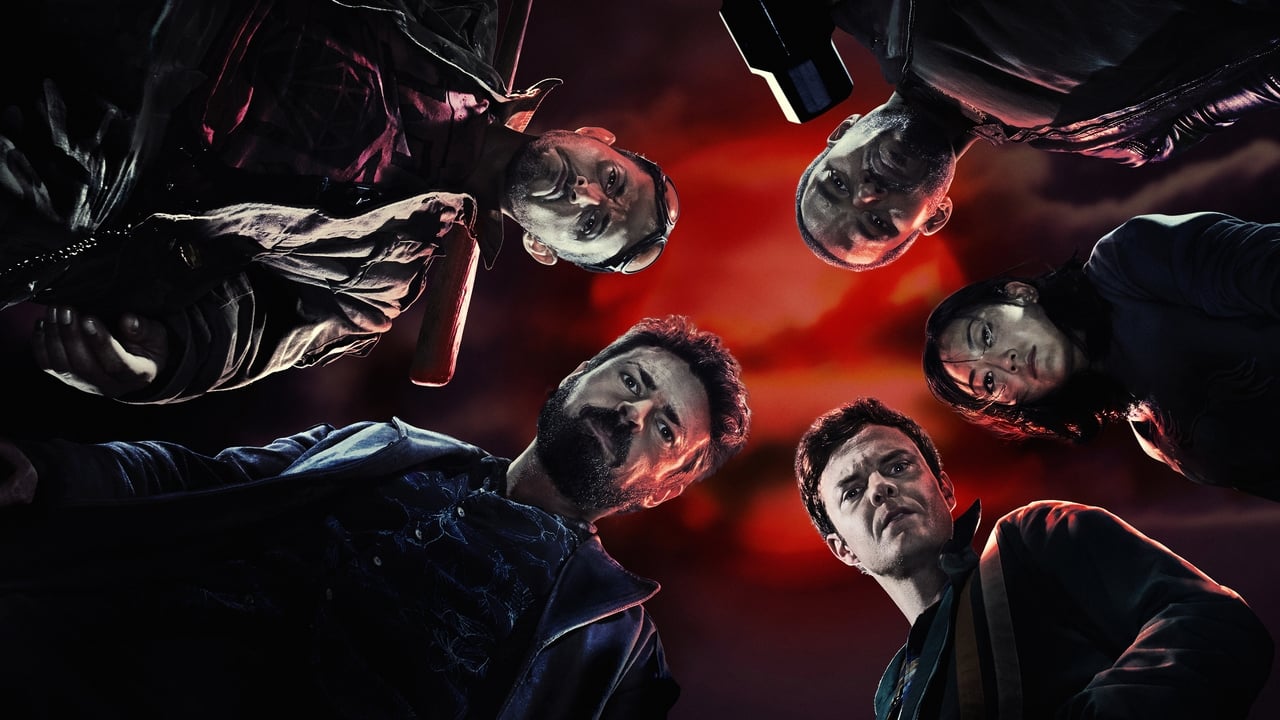
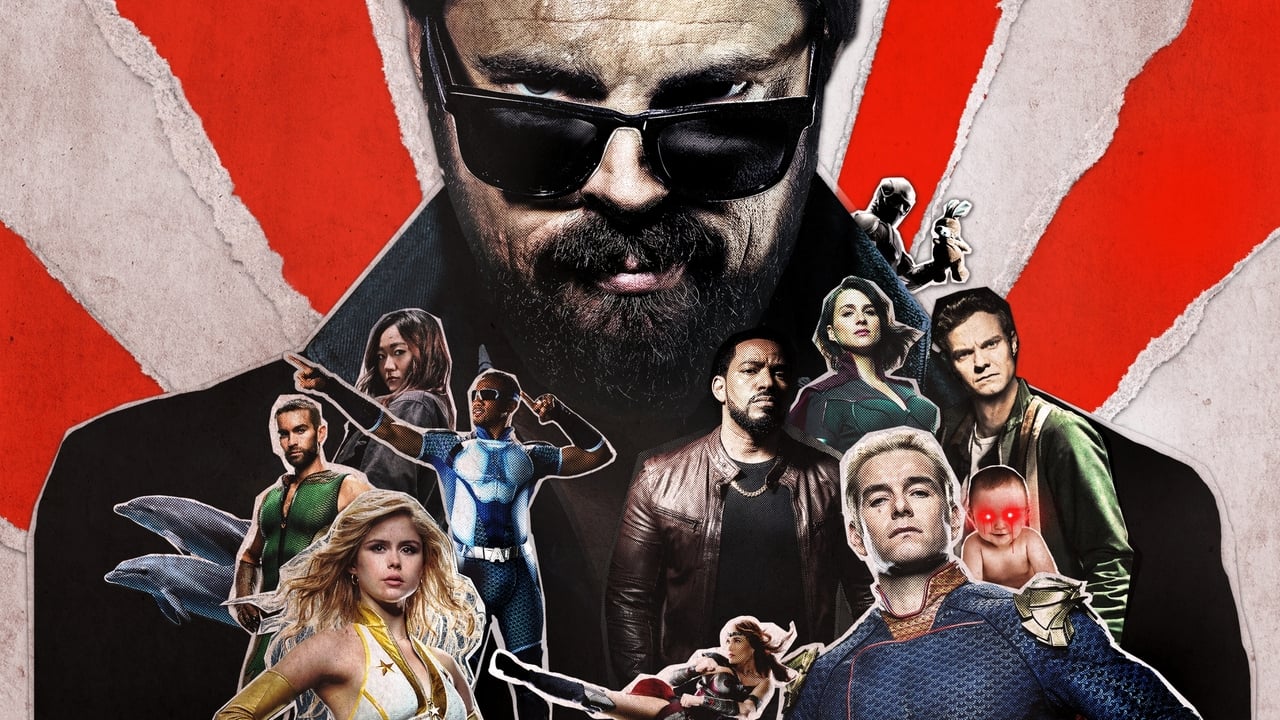
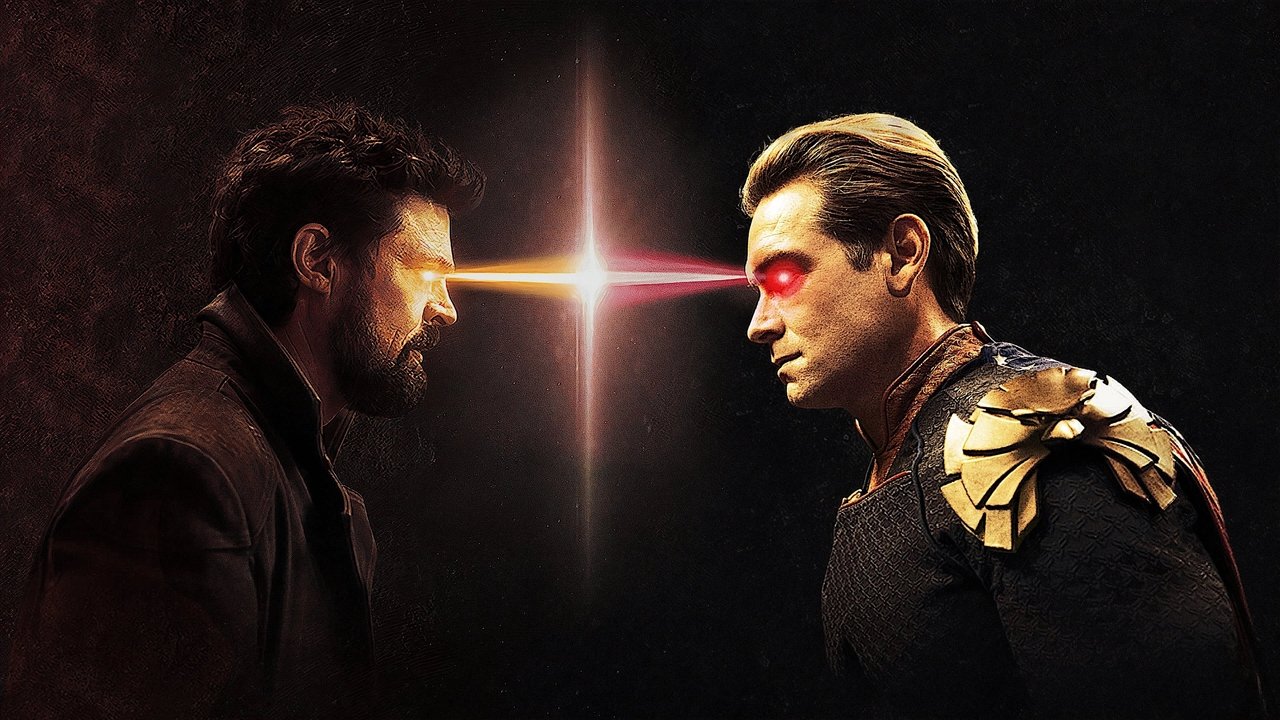
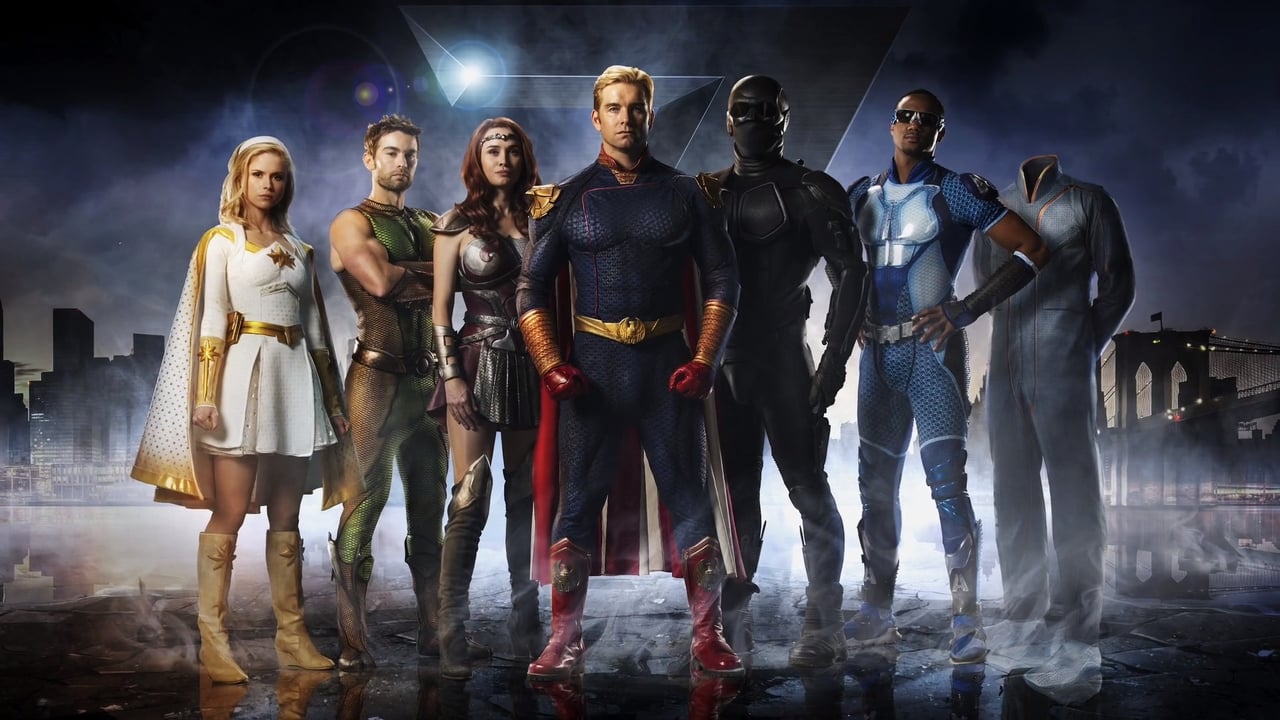
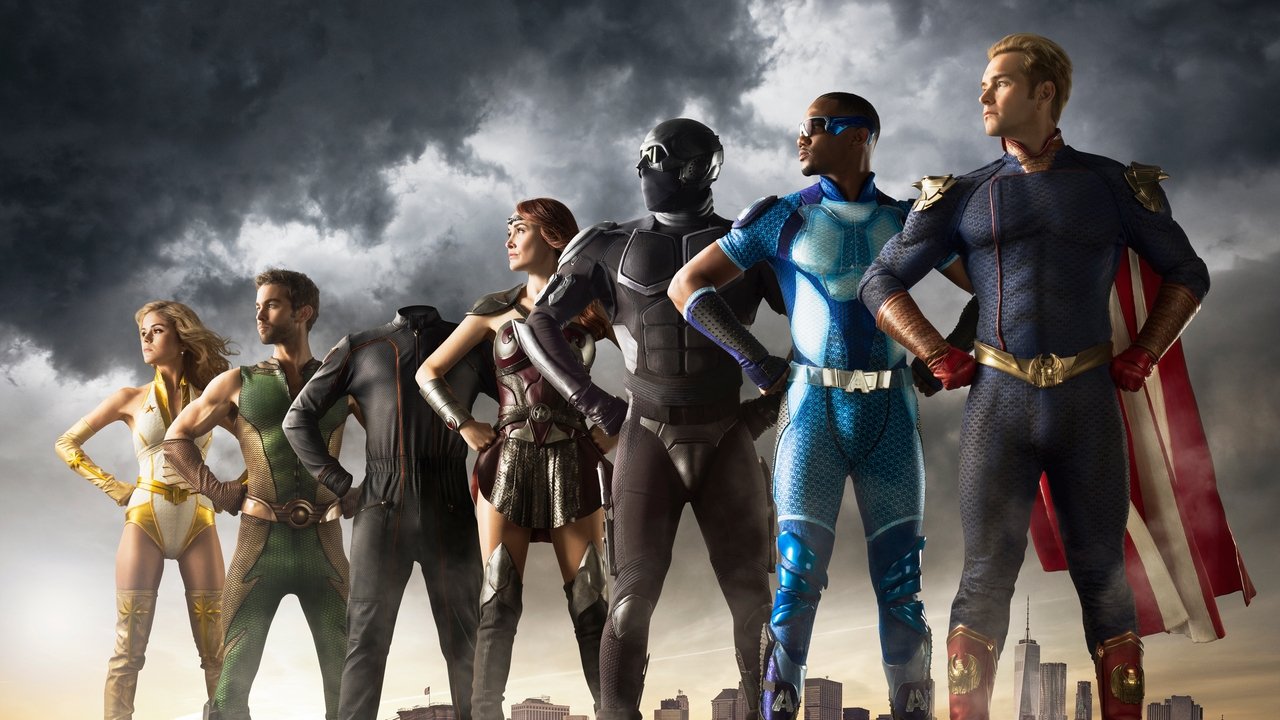
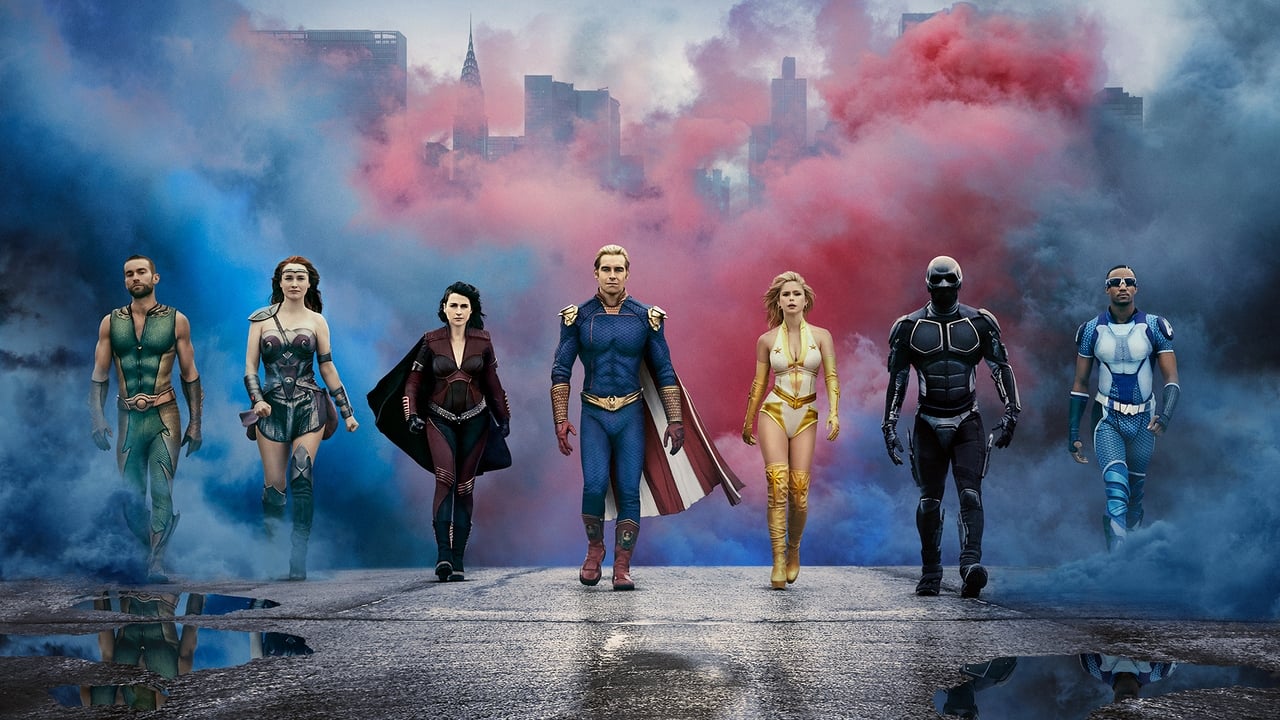
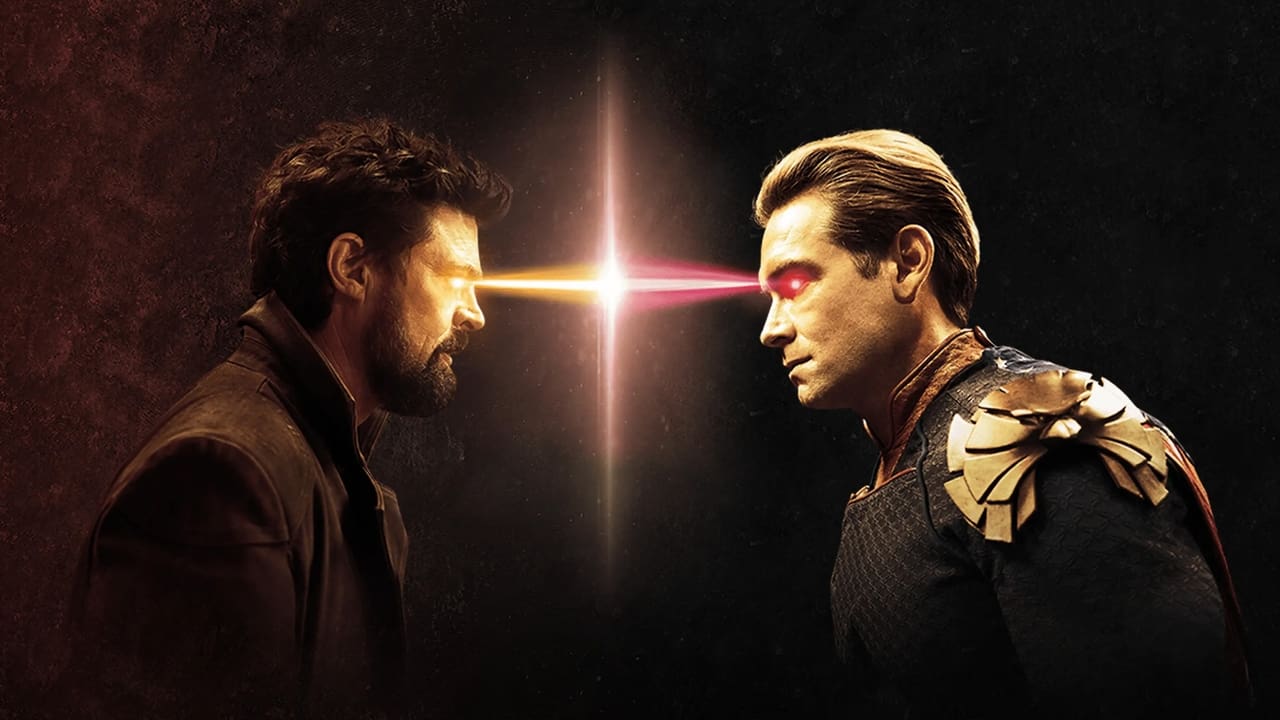
The "Homelander Effect" is the primary friction point for parents in 2026. Even if you’ve locked down Amazon Prime with every parental control available, your teen is likely seeing clips of this show on TikTok, Reels, or YouTube. This show has a reach that far exceeds its TV-MA rating because it is essentially a meme factory.
The Superhero Trap
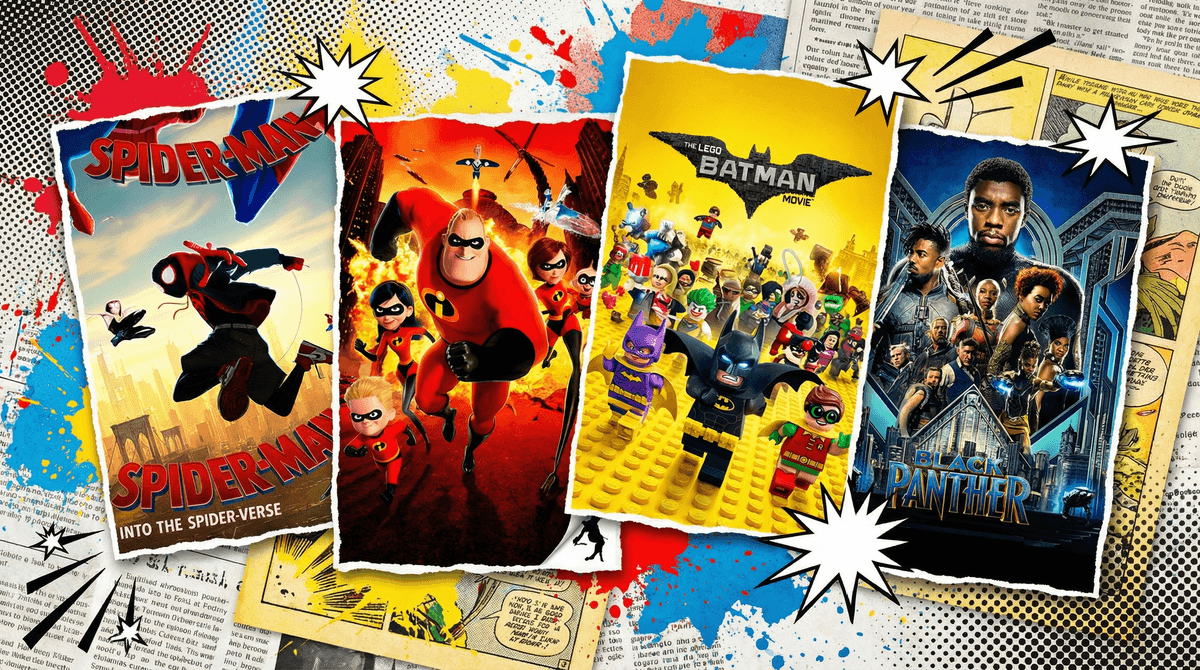
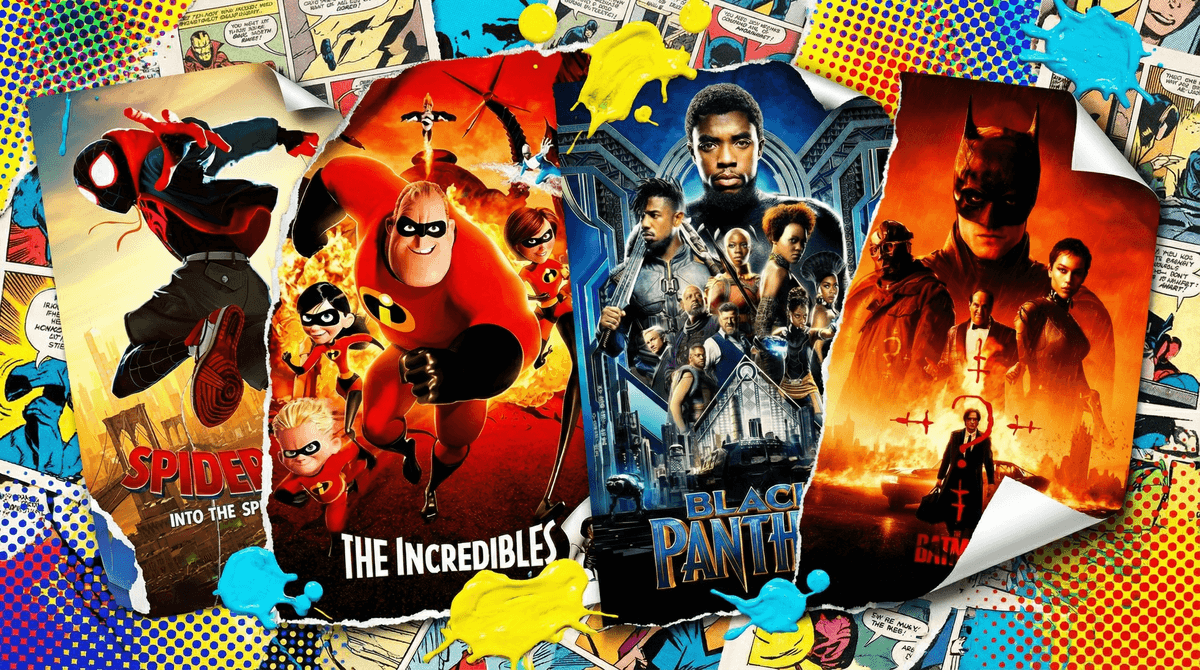
The biggest mistake is assuming this is just a "gritty" version of the MCU. While movies like Deadpool push the envelope with language and blood, The Boys operates in a different universe of cynicism. It doesn't just feature violence; it often uses extreme gore as a punchline. If your kid is coming off a marathon of age-appropriate superhero movies and shows, they might think they’re ready for the "adult" version. They aren't.
This isn't a story about "good guys vs. bad guys." It’s a world where the heroes are corporate products—narcissistic, predatory, and often murderous. For a teenager still forming their worldview, the show's relentless nihilism can be more taxing than the actual blood splatter. It purposefully dismantles the concept of heroism, which can be a heavy lift for younger viewers who still want someone to root for.
Why It’s Trending Now
As the series moves toward its final season, the cultural conversation has shifted from "look at this crazy show" to a deep-dive into its political and social satire. Critics on Rotten Tomatoes have consistently praised its sharpness, but that brilliance is inextricably linked to scenes of extreme physical and sexual trauma.
If you're seeing talk about "rage-spores" or specific character reunions on social media, understand that these aren't just action sequences. They are designed to be disturbing. The show intentionally pushes past stylized combat into something much more visceral. It’s the kind of content where "watching for the plot" requires sitting through scenes that are genuinely difficult to stomach.
Handling the Social Media Overflow
Because Homelander has become a mascot for a certain type of "edge-lord" internet culture, your teen might be engaging with the show’s aesthetics without ever seeing a full episode. This is where Decoding "The Boys": Superheroes, Satire, and Social Media becomes a useful tool for parents.
If they are already deep into the memes, it’s worth explaining that the show is actually mocking the very things those memes often celebrate. The character they think looks "cool" in a 10-second clip is written to be a pathetic, terrifying villain. You don't need to let them watch the show to have that conversation; you just need to understand the subtext they're missing in their feed. If they’re looking for high-stakes action that doesn't require a therapist afterward, there are plenty of better ways to scratch that itch.