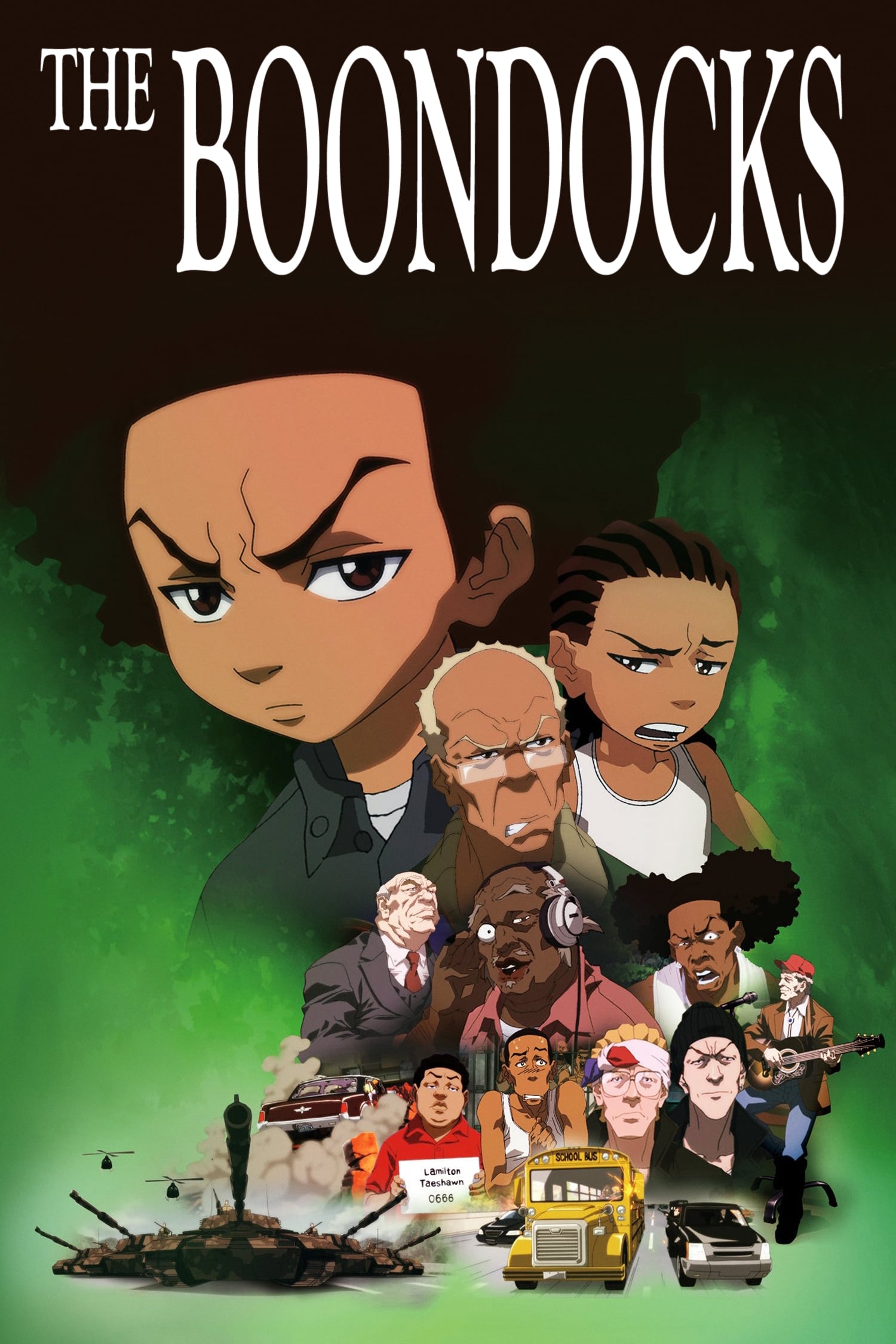
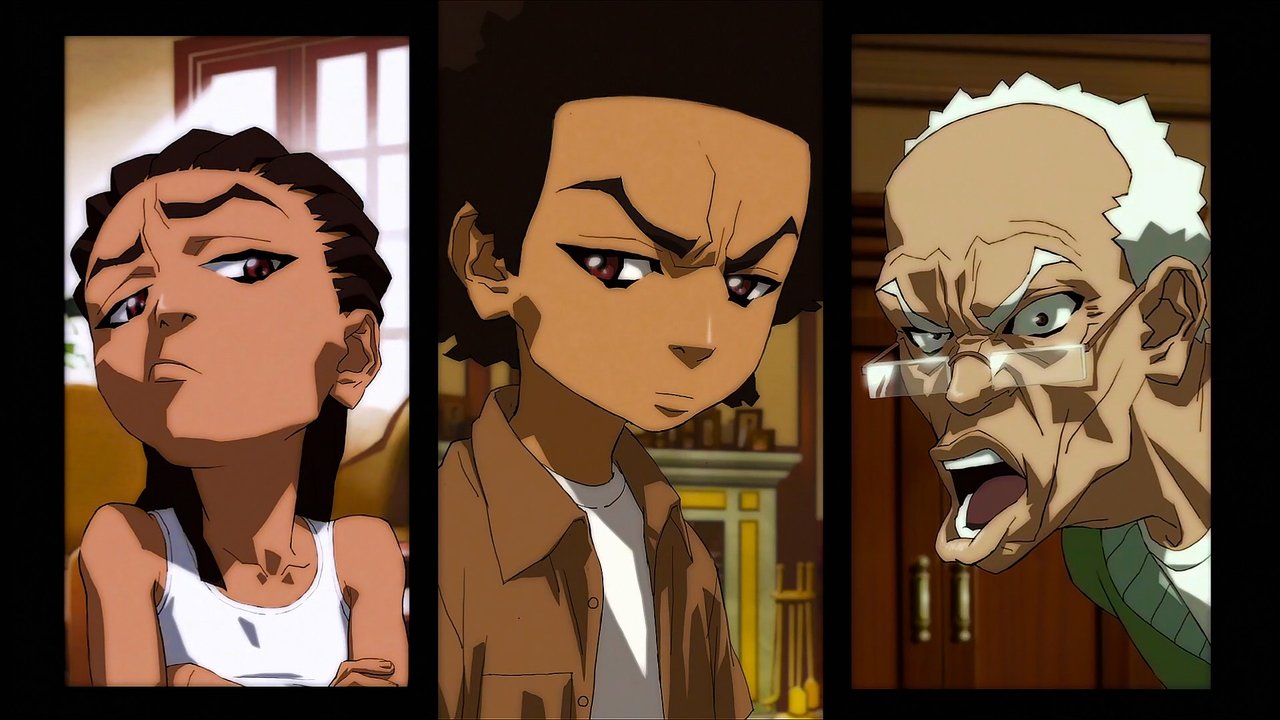
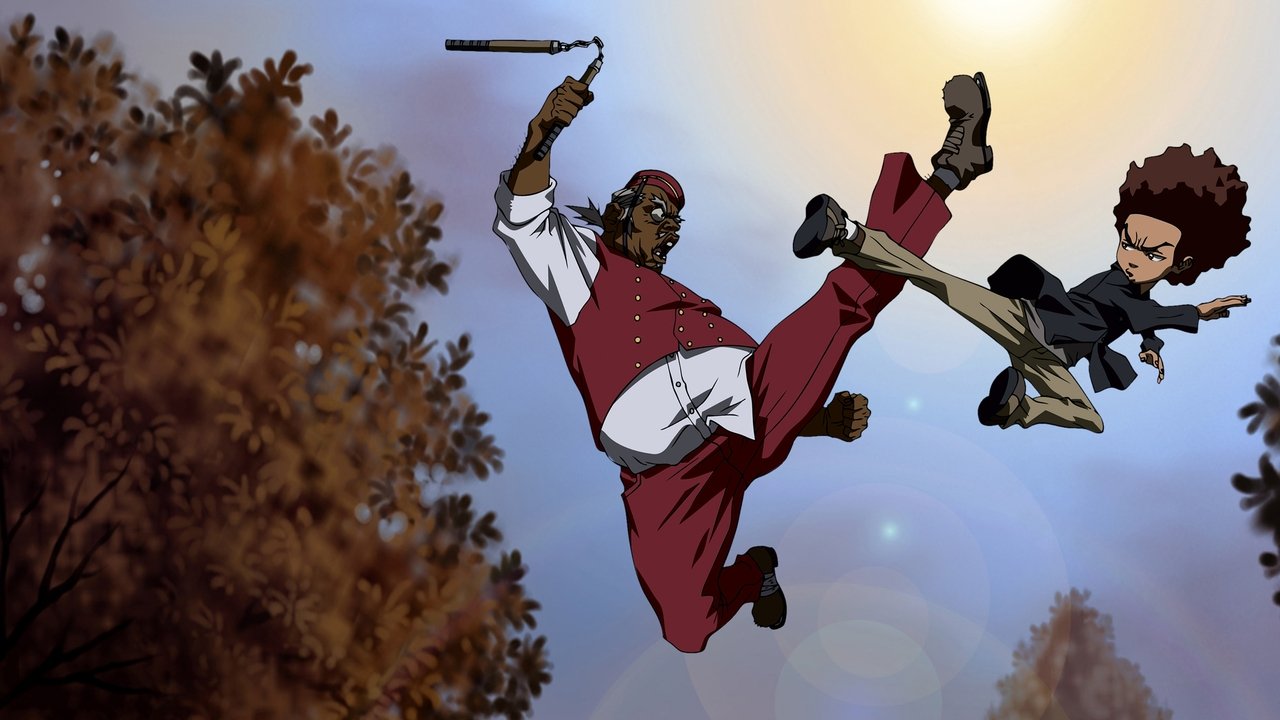
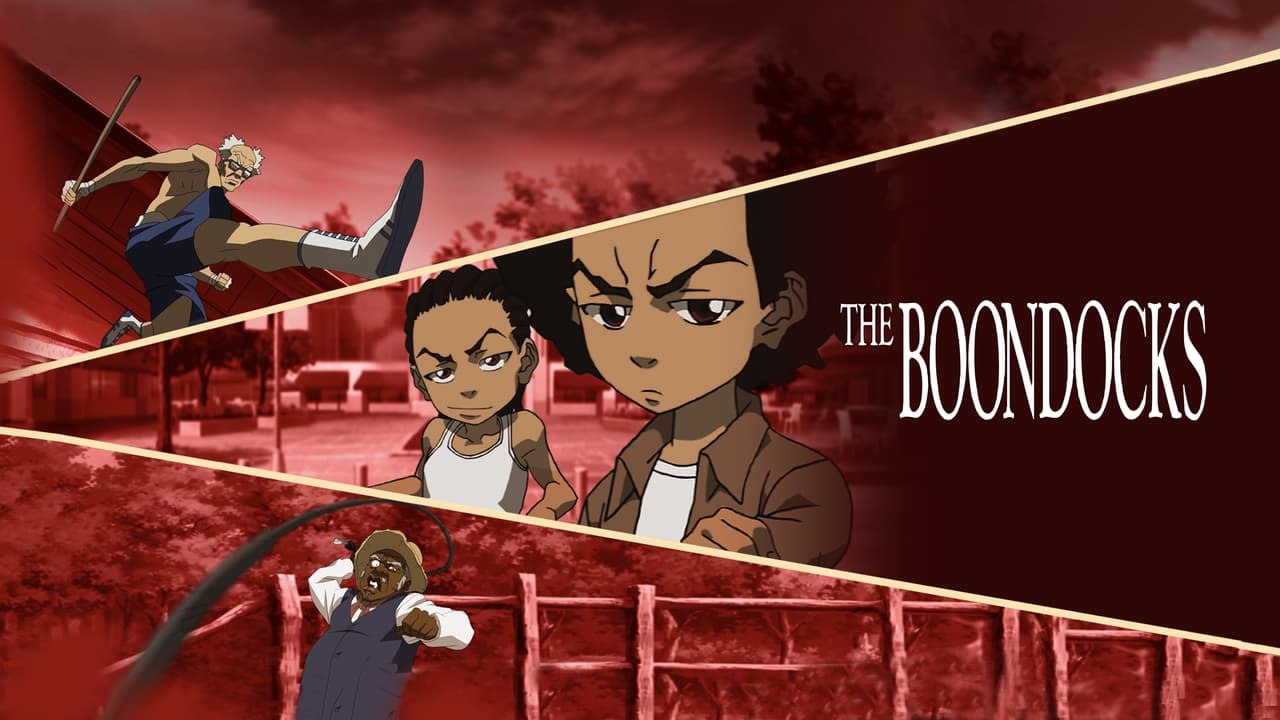
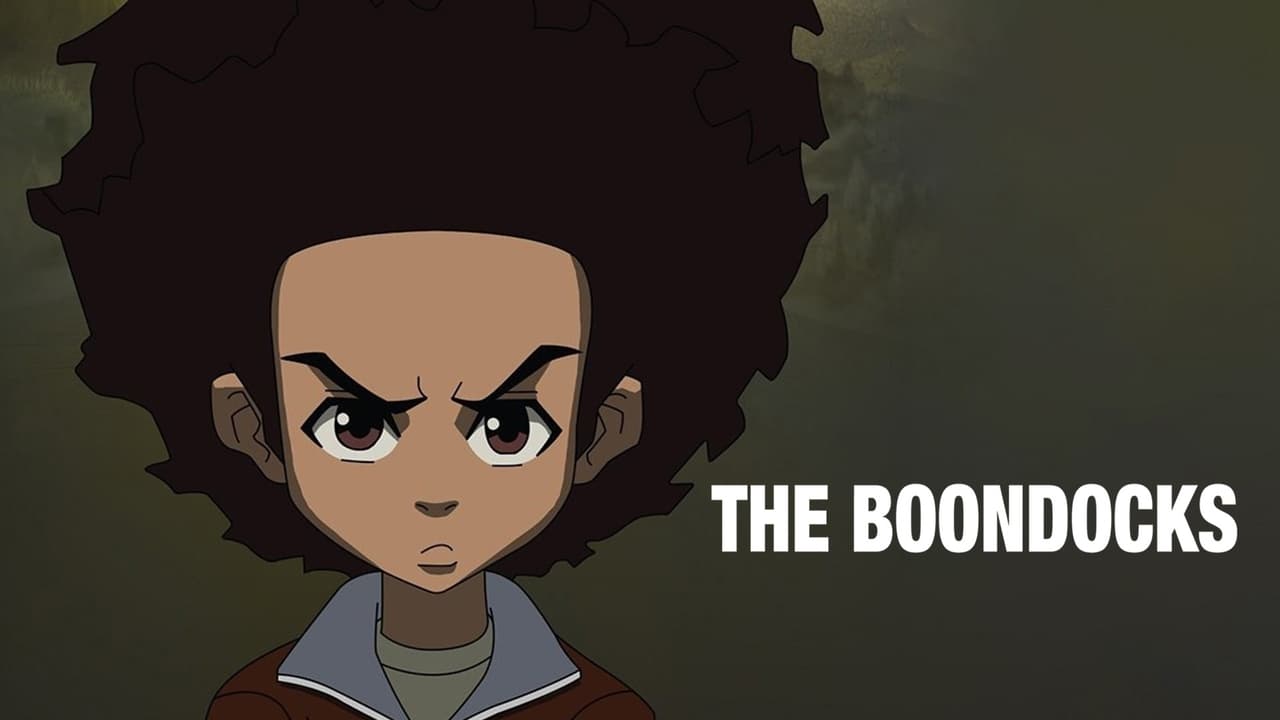
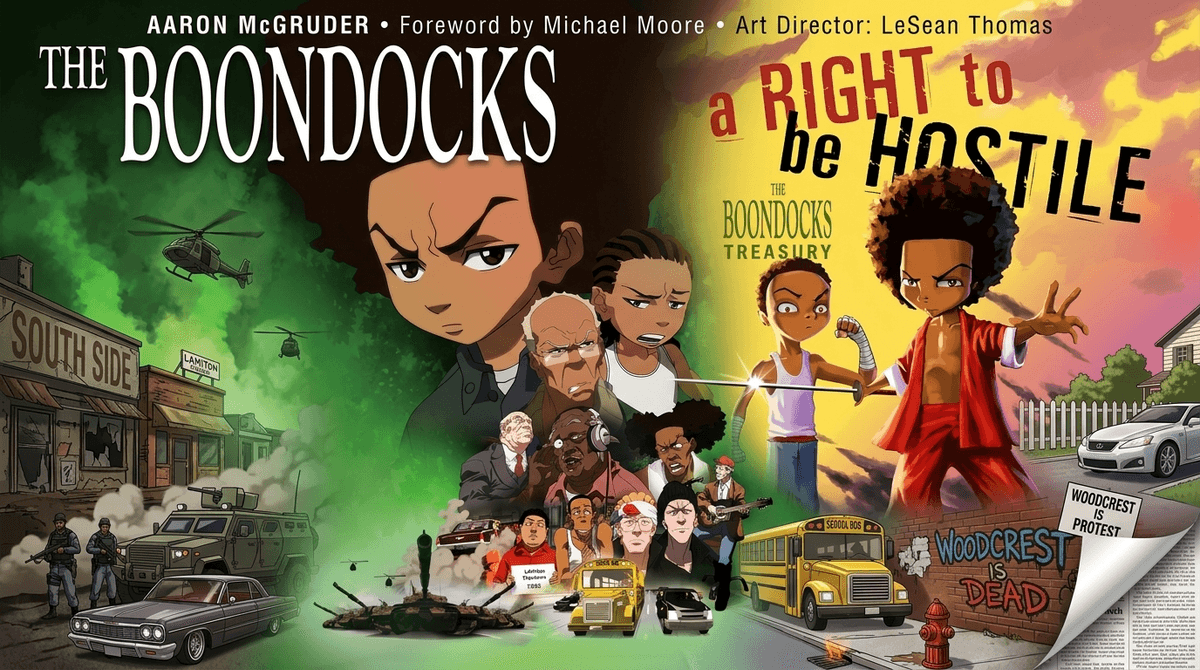
The biggest mistake you can make with The Boondocks is assuming that because the protagonists are eight and ten years old, the show is for eight- and ten-year-olds. It isn't. Huey and Riley Freeman are essentially the vessel for some of the most aggressive social satire ever put to screen. If you’re looking for a breakdown of why those kids aren't for your kids, our guide to why the 10-year-old protagonists are a trap covers the specifics of the Adult Swim era.
The Critic-Audience Divide
The data on this one is fascinating. You see a 48% from critics on Rotten Tomatoes compared to an 81% from the audience. That gap usually happens when a show is either "too smart" for a broad critical consensus or too offensive for the mainstream gatekeepers of 2005. Critics often struggled with the show's relentless use of racial slurs and its willingness to clown on beloved cultural icons. But the audience saw the 8.5 IMDB rating for what it is: a sign of a show that finally stopped being polite about the American experience.
The show uses Huey, the young revolutionary, to voice the frustrations of a generation, while Riley represents the hyper-materialistic, "thug life" aspirations that the show is actually mocking. It’s a dialogue between two halves of the Black American psyche, and it doesn't pull a single punch.
If They Liked The Boys
If your older teen is already obsessed with the cynical, corporate-skewering world of The Boys, they’re the target audience here. Both shows use extreme violence and profanity as a delivery system for a middle finger to the status quo. While The Boys targets corporate superheroes, The Boondocks targets everything from the prison-industrial complex to the "bling-bling" era of hip-hop. It’s the same energy—using the "low" medium of animation or comics to tackle "high" political concepts.
The Uncle Ruckus Friction
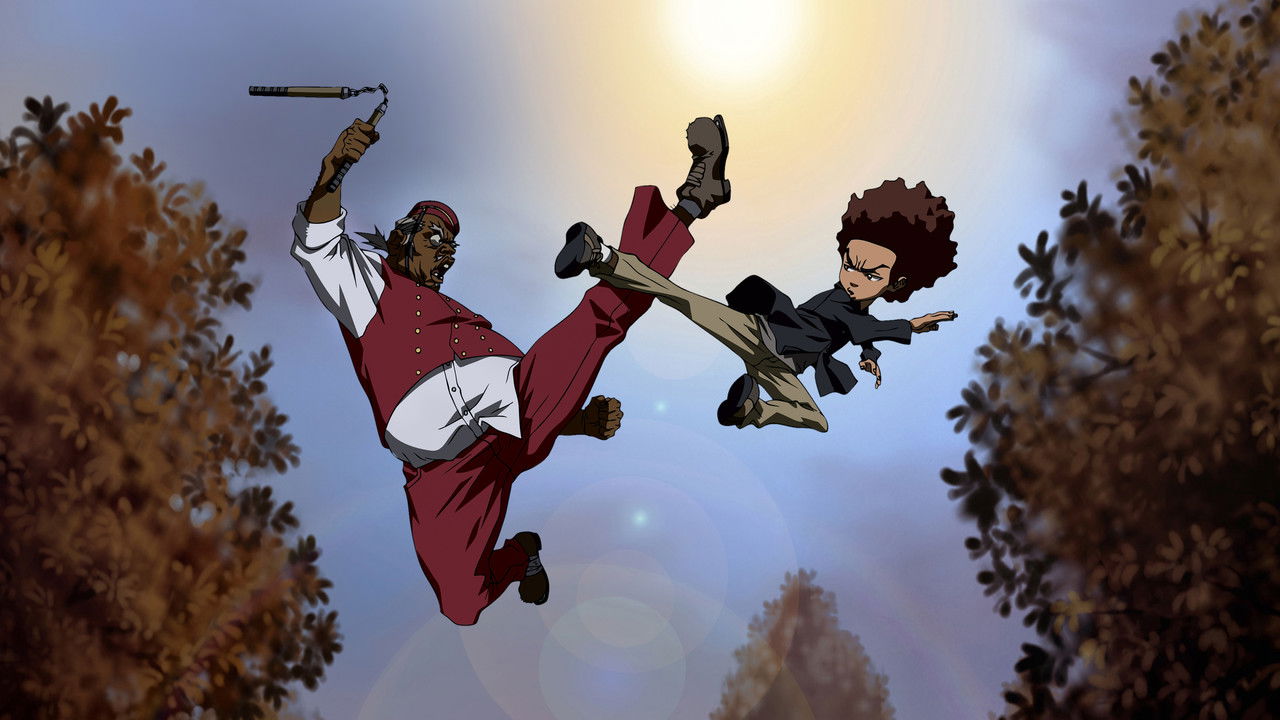
You can't talk about this show without mentioning Uncle Ruckus. He is one of the most controversial characters in television history—a Black man who believes he is white and hates Black people with a theatrical intensity. For a younger viewer, Ruckus is just a racist caricature. For a mature viewer, he is a devastating critique of internalized racism and the ways people can be weaponized against their own community.
This is the "friction" that defines the show. It asks you to laugh at things that are objectively horrible. If you or your teen can't find the humor in the absurdity of systemic racism, you’re going to have a bad time. But if you want a show that treats its audience like they have a brain and a backbone, this is a masterclass in the genre. Just keep it in the "after bedtime" or "college-bound" category.