The horror on-ramp that isn't horror
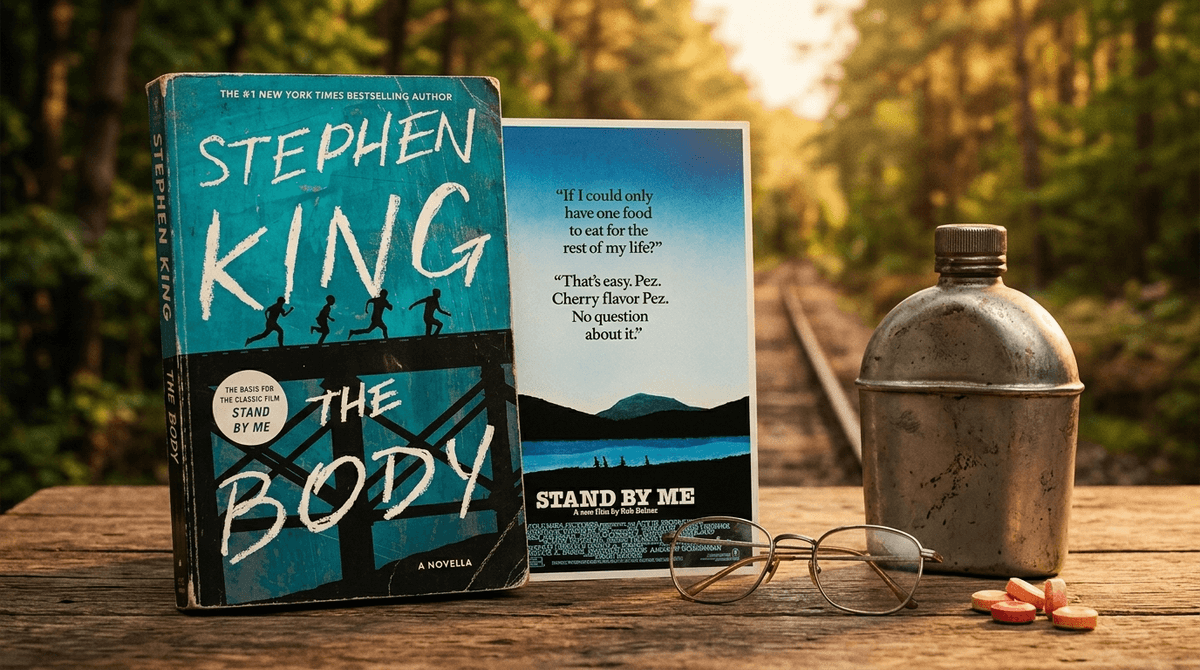
Most kids know Stephen King as the guy who writes about sewers and possessed cars. If they’re looking for a scare, they might be disappointed—or pleasantly surprised—to find that The Body is actually a grounded, gritty adventure. It’s the essential Stephen King horror on-ramp because it uses his signature tension without needing a supernatural monster to drive the plot. The "monster" here is just the reality of growing up in a town that doesn't expect much from you.
If your kid is already into high-stakes survival stories like The Loop by Ben Oliver, they’ll recognize the "us against the world" energy. But where modern YA often leans into sci-fi or dystopian tropes, this stays firmly in the dirt. It’s about four boys—Gordie, Chris, Teddy, and Vern—walking along train tracks to see a corpse. That’s it. The simplicity is what makes the character beats land so hard.
The "Lard-Ass" factor and the language
We need to talk about how these kids speak. King doesn’t write "polite" children. They swear, they use period-typical insults that haven't aged well, and they talk about things that would make a middle-school principal faint. It feels authentic to how twelve-year-old boys actually interact when no adults are listening.
The centerpiece of the book’s humor is the "Lard-Ass Hogan" story, a "story within a story" told by Gordie. It’s a disgusting, barf-filled tall tale that serves as a perfect litmus test: if your kid thinks it’s hilarious, they’re the target audience. If they’re easily grossed out, this might be a tough sell. This raw, unvarnished tone is exactly what you’ll want to prepare for if you’re also planning to watch the film adaptation, which carries the same heavy themes and F-bombs.
Why it sticks longer than a slasher
The reason this novella has stayed relevant since 1988 isn't the dead body. It’s the relationship between Gordie and Chris. King captures the specific tragedy of a kid who is "smart" but trapped by a "bad" family name.
If your teen is a fan of the psychological intensity in The Naturals series, they’ll appreciate how King handles trauma. Chris Chambers isn’t a victim; he’s a protector. Watching him try to push Gordie toward a better life while accepting his own dead-end future is heartbreaking. It’s the kind of book that starts a conversation about whether we are defined by our parents or our choices. You don't get that from a slasher flick.