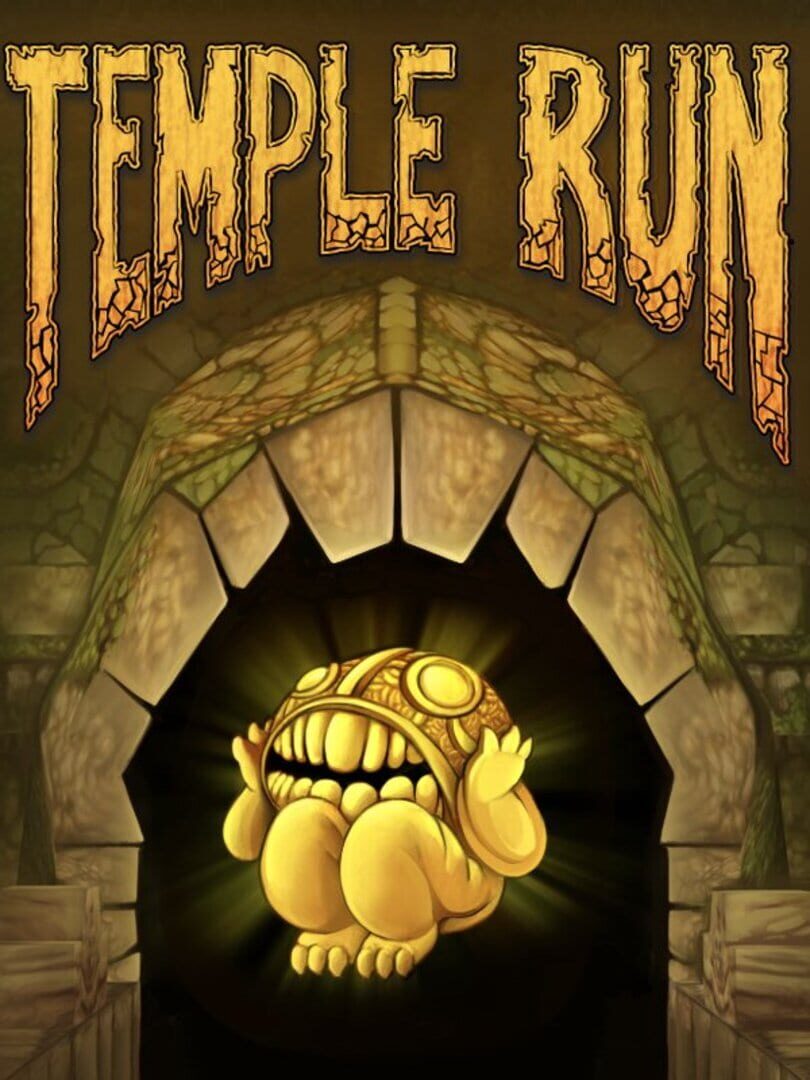
In the world of 2026 mobile gaming, Temple Run is essentially a digital fossil. It’s the game most kids discover when they inherit an old iPad or start digging through the "Top Free" charts out of pure boredom. It’s important to understand that while it looks simple, it’s the blueprint for an entire generation of Endless Runner Games: Are They Harmless Fun or Designed to Hook Your Kid?.
The "First Game" Phenomenon
Most kids don't seek out Temple Run because they’ve heard it’s a masterpiece; they play it because it’s a clean introduction to how a smartphone actually works. It uses every trick in the mobile hardware book: tilting the phone to lean, swiping to turn, and tapping to jump. For a six-year-old, this is a physical experience as much as a digital one.
The game’s developer, Imangi Studios, captured lightning in a bottle in 2011 by making the controls feel incredibly responsive. Even today, that 71 IGDB score holds up because the "game feel" is better than most of the cheap clones that followed it. If your kid is just starting out, this is a low-stakes way to build the literal muscle memory required for more complex Action Apps for Kids: Fast-Paced Gaming That Keeps Them Hooked.
The Psychology of the Chase
The "demonic monkeys" are the specific friction point here. Unlike modern runners where you might just hit a wall and stop, Temple Run creates a sense of pursuit. The monkeys are always right behind you. If you stumble once, you hear them screeching; stumble twice, and they tackle you.
For some kids, this "chase" dynamic turns a casual distraction into a high-stress event. It’s not "violent" in a traditional sense—there’s no blood, and the "death" animations are just the character tripping or falling into water—but the intensity of being hunted is what usually leads to the "I'm scared" or "I'm frustrated" moments parents see in reviews. If your kid is sensitive to pressure, the constant threat of the monkeys might be more annoying than fun.
The Skill Ceiling
Because there are no levels and no real "end," the only goal is the high score. This makes Temple Run a pure meritocracy. You can’t buy your way to a win, and there aren't many power-ups that fundamentally change the game.
If your kid is the type who loves to master a single skill—like hitting a baseball or playing a specific riff on the piano—they might actually find the repetitive nature of the temple corridors meditative rather than boring. It’s a game of "just one more try" because every failure is clearly the player's fault, not a glitch in the game. Just be prepared for the inevitable "Look at my score!" interruptions every three minutes, because in this game, the score is the only thing that matters.