The Art of the Loophole
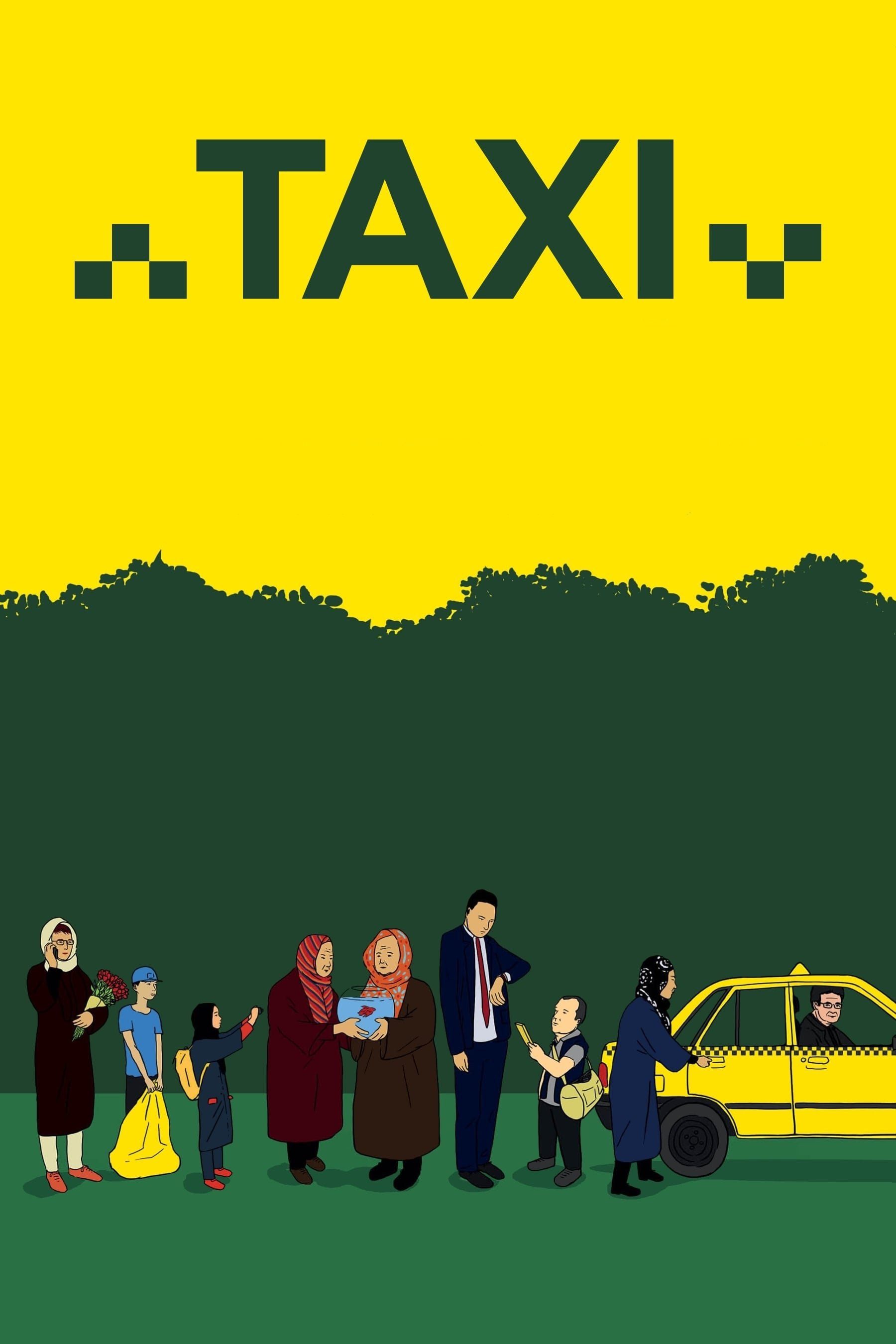
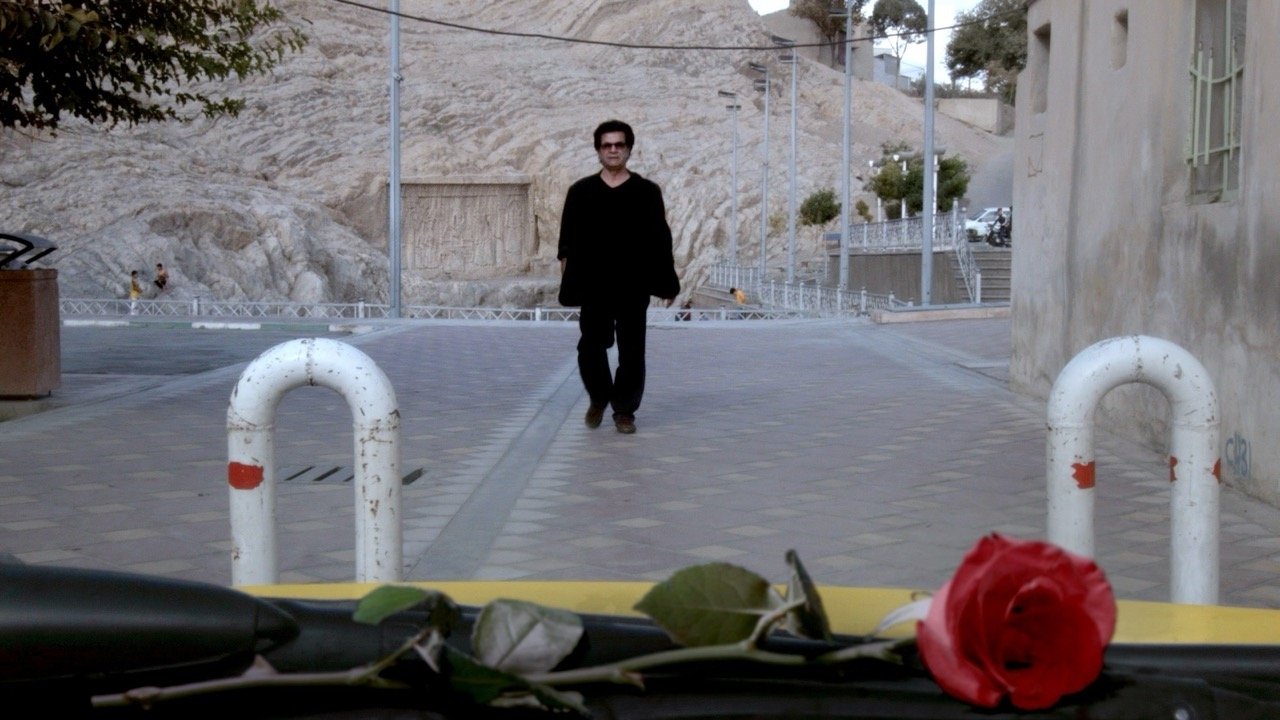
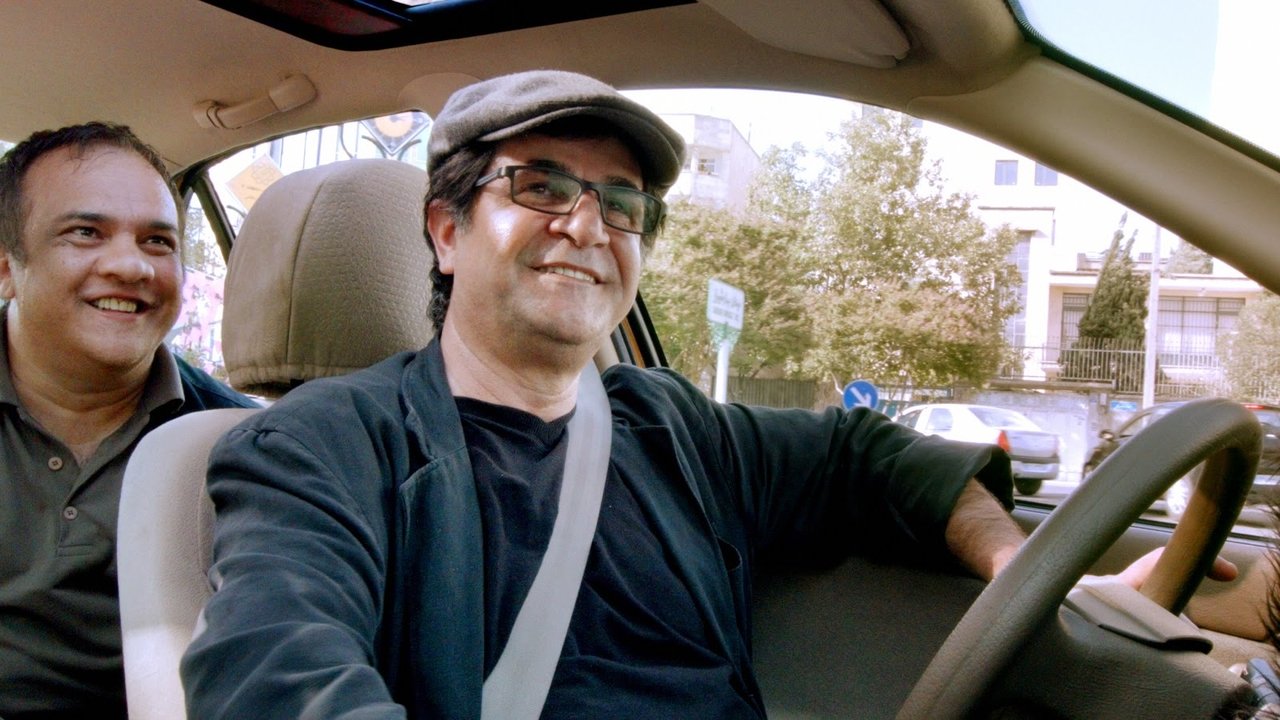
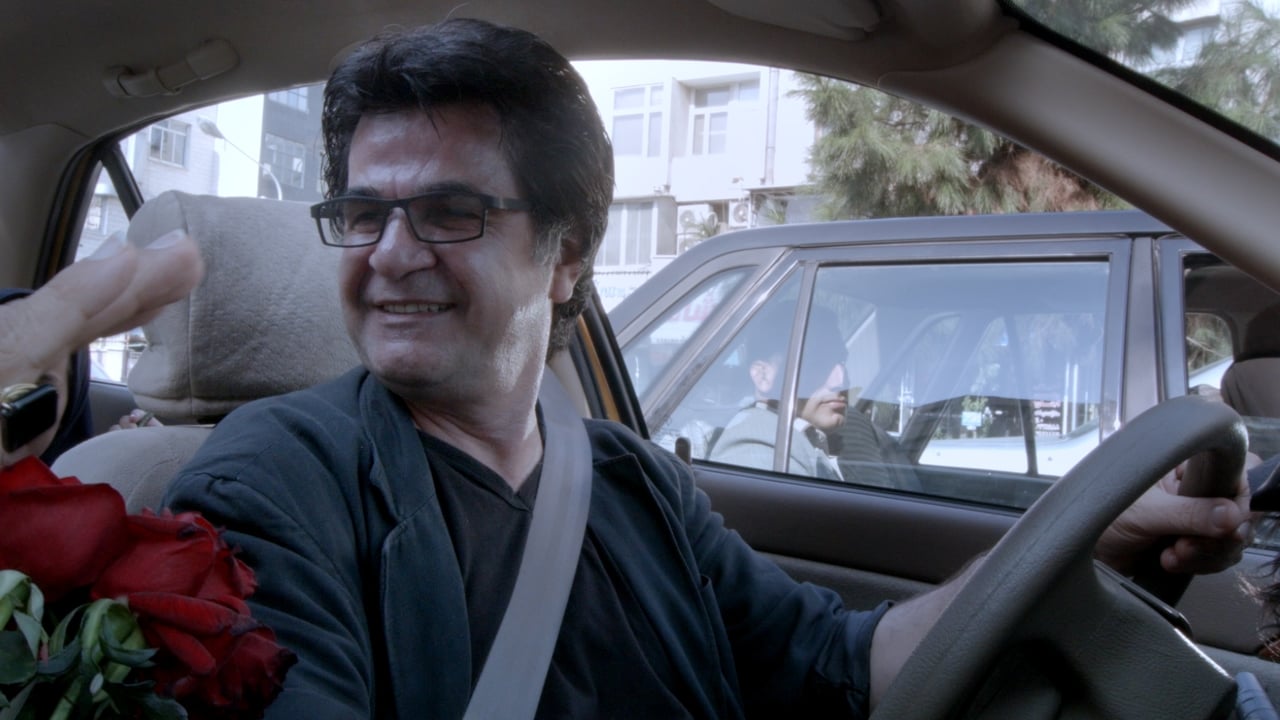
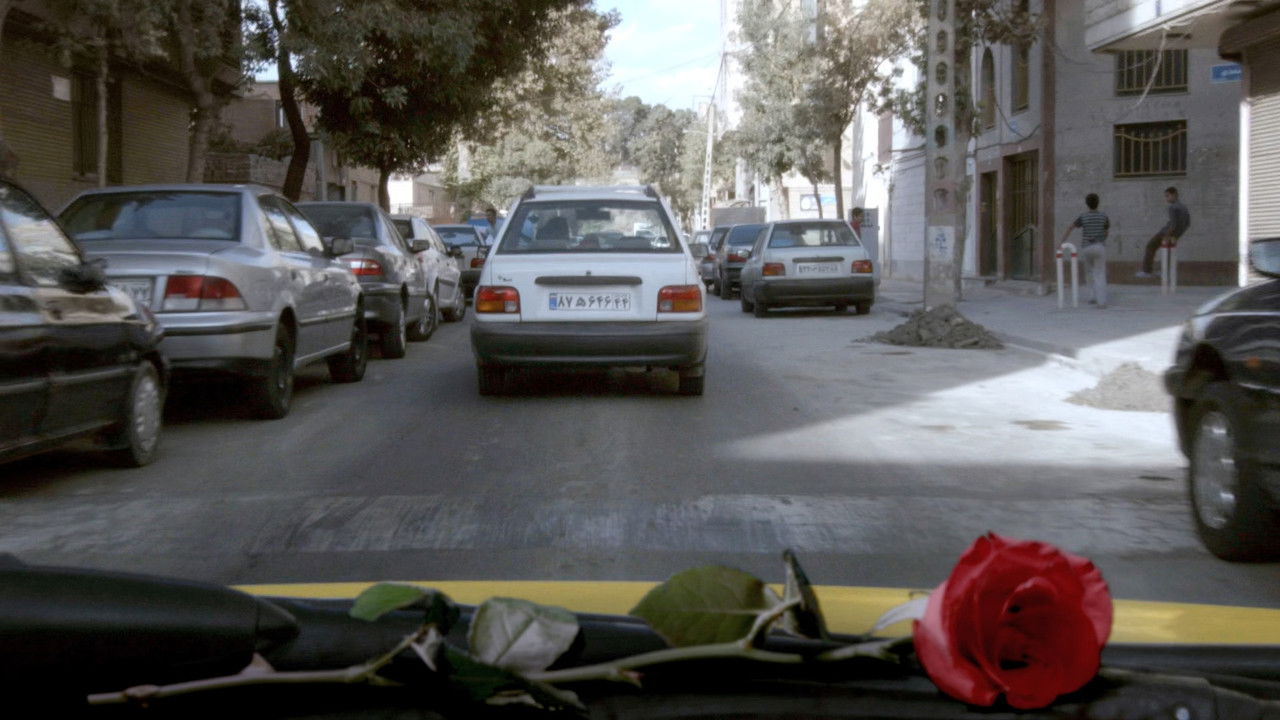
There is something inherently cool about Taxi that usually wins over skeptical teenagers: the fact that it shouldn't exist. In 2010, the Iranian government handed Jafar Panahi a 20-year ban on filmmaking. Taxi is his third 'non-film' made since that ban. By casting himself as the driver and using a dashboard camera, he effectively turned the mundane act of driving into a cinematic statement.
For a kid, this is a lesson in creative problem solving. We often talk about 'limitations' in art, but this is a life-or-death limitation. Seeing Panahi navigate his city, picking up a mix of real people and actors playing 'types' (like the man selling bootleg DVDs of The Walking Dead), makes the politics of a foreign country feel immediate and personal.
Meet Hana
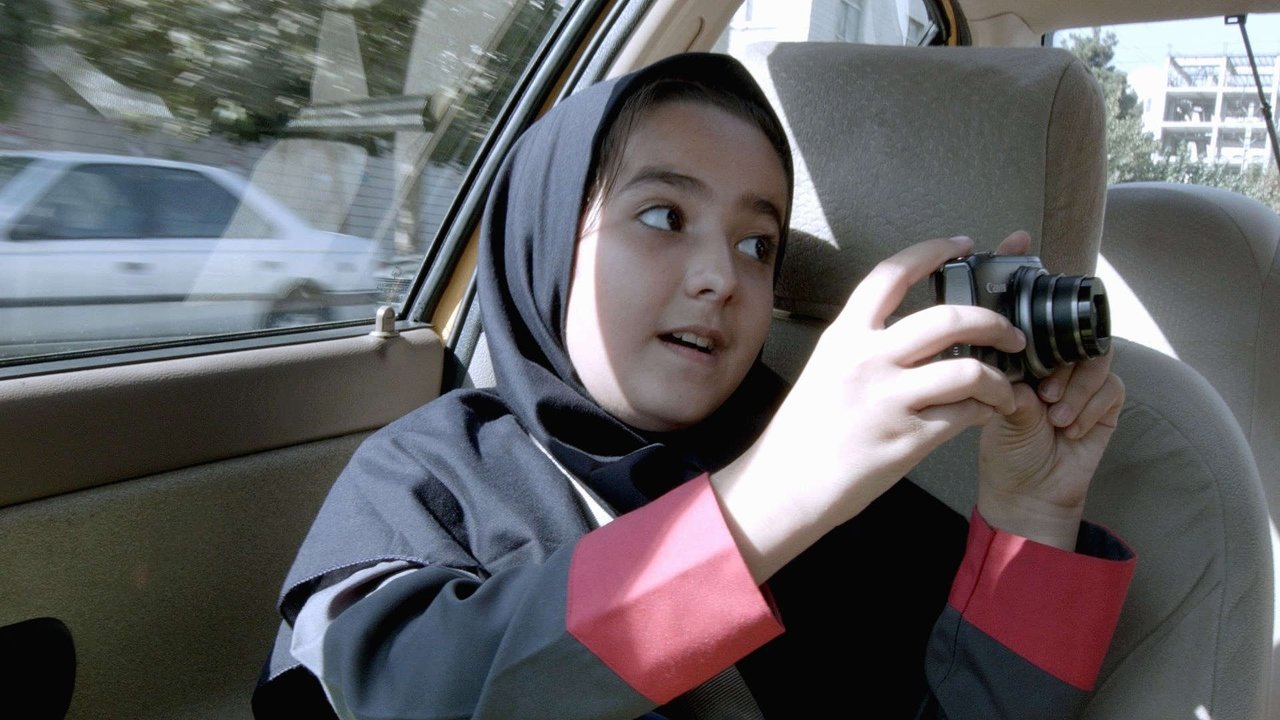
The heart of the movie is Panahi’s niece, Hana. She’s a schoolgirl trying to make her own short film for a class, and she recites the government’s rules for a 'distributable' film—no 'sordid realism,' no men and women touching, no ties for the villains. Watching her try to reconcile these absurd rules with the reality she sees out the taxi window is both funny and heartbreaking. It’s a fantastic entry point for a conversation about media literacy and how different cultures control the stories their citizens are allowed to tell.
Why it works for families
Despite the heavy background, the movie is surprisingly light on its feet. It’s funny. It’s colorful. It feels like a series of short stories. It’s one of the few 'important' international films that doesn't feel like homework. If you’re looking to expand your kid’s horizons beyond the Hollywood bubble, this is the most enjoyable way to do it.