The viral trap
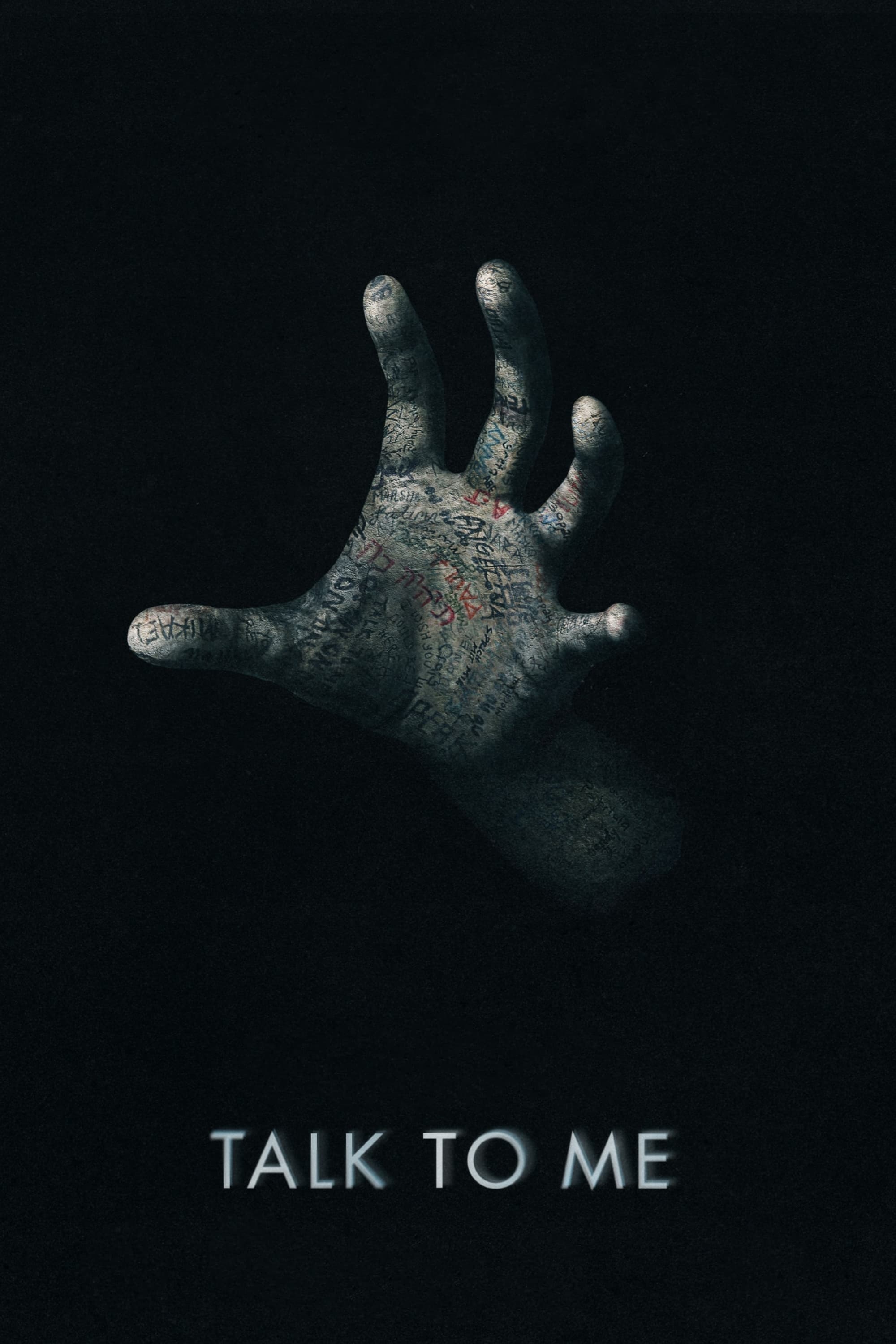
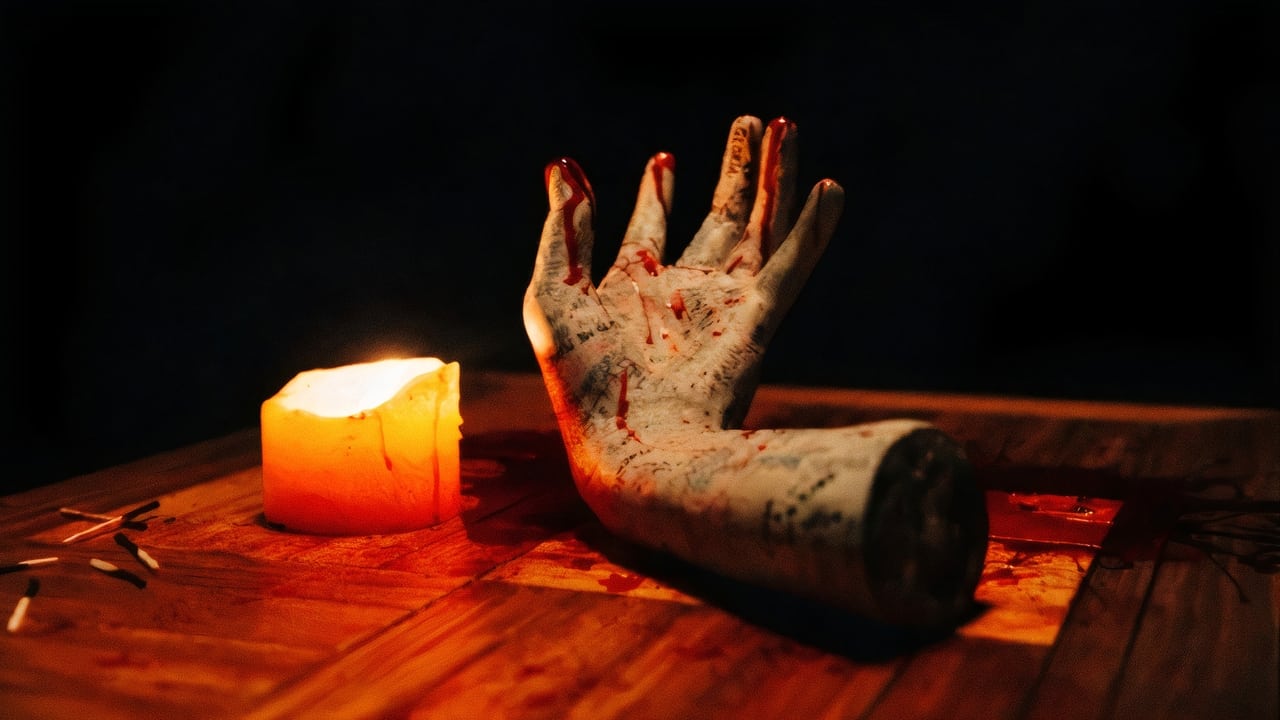
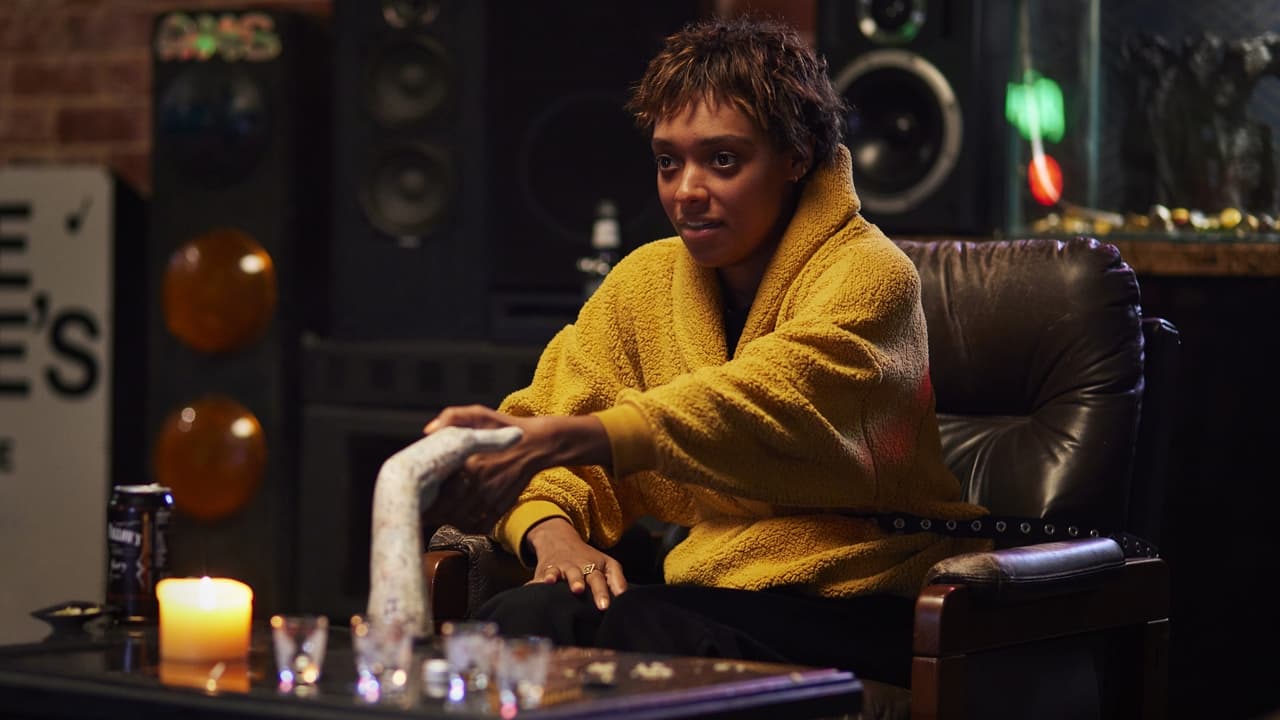
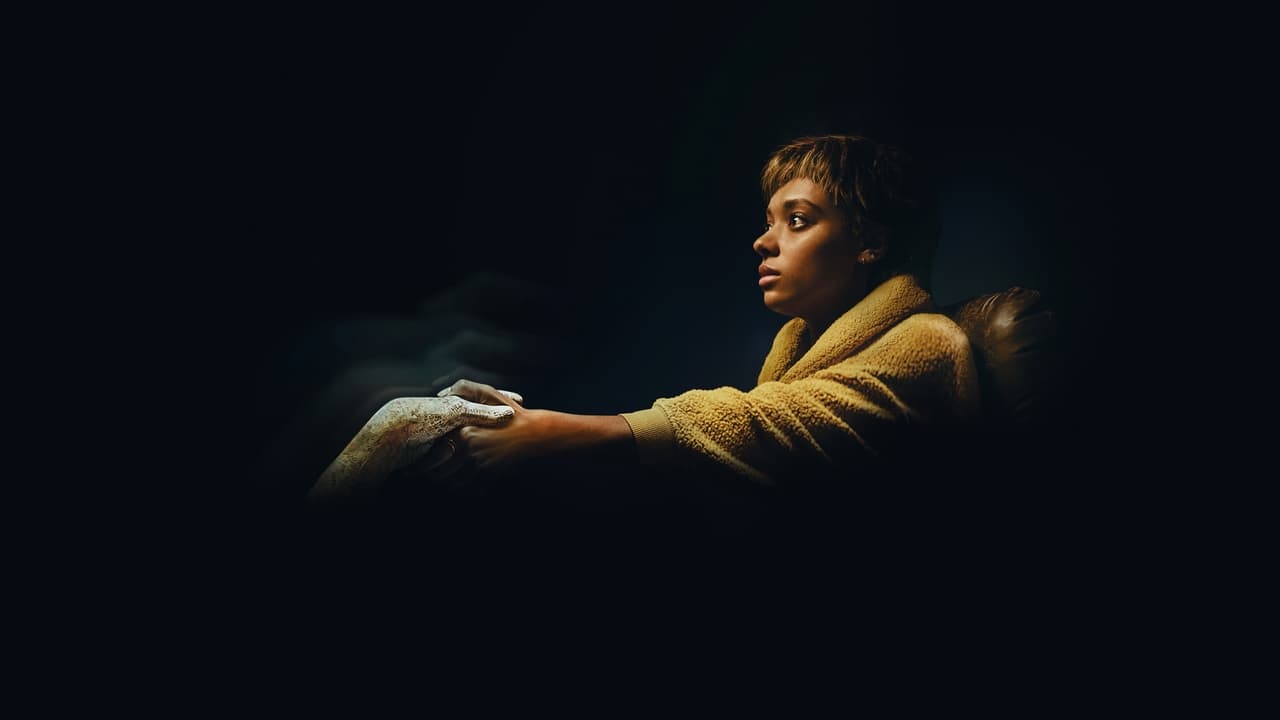
Most horror movies for teens rely on a masked killer or a CGI monster jumping out from behind a door. Talk to Me is different because the monster is us. It captures that specific, frantic energy of a house party where everyone has their phones out, waiting for someone to do something stupid for the clout. The central hook—an embalmed hand that lets spirits in—is essentially a supernatural TikTok challenge.
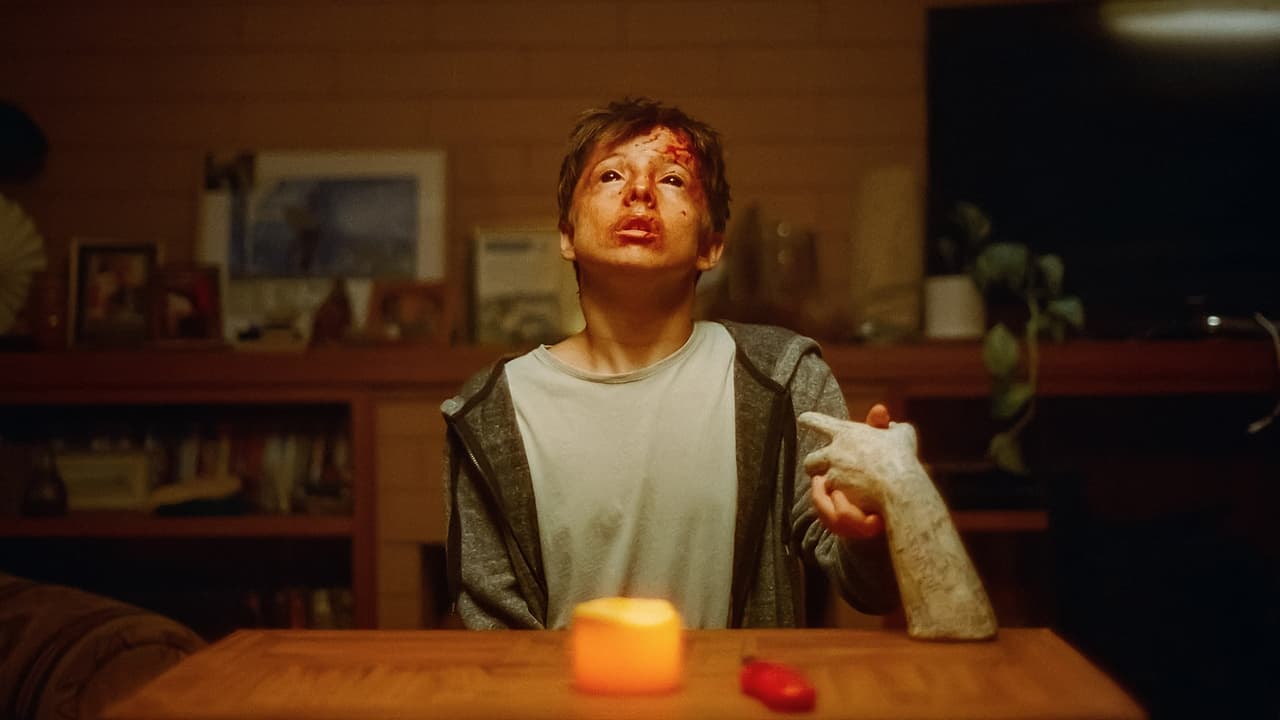
The characters aren't accidentally stumbling into a haunted house. They are actively seeking out the possession because it looks like a blast on social media. This is what makes the movie so effective and, for a parent, so unnerving. It’s a direct commentary on the performative nature of being a teenager today. If your kid is already interested in age-appropriate scary content, they’ve likely seen the aesthetics of this film all over their feeds. It has that "analog horror" vibe that feels raw and immediate rather than polished and safe.
Not your average gateway horror
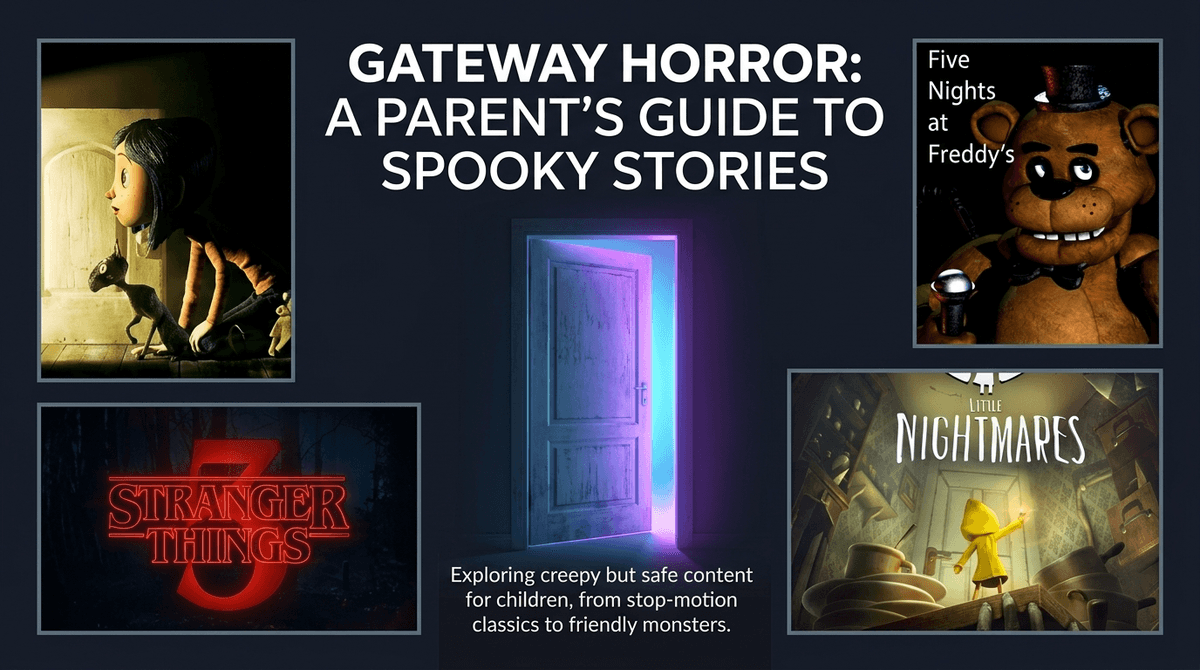
If your teen is coming off a diet of Stranger Things or Five Nights at Freddy's, they might think they’re ready for this. They probably aren't. There is a massive leap between "spooky" and "disturbing," and Talk to Me lives firmly in the latter. While the critics gave it a 94% on Rotten Tomatoes for its craft, the actual experience of watching it is punishing.
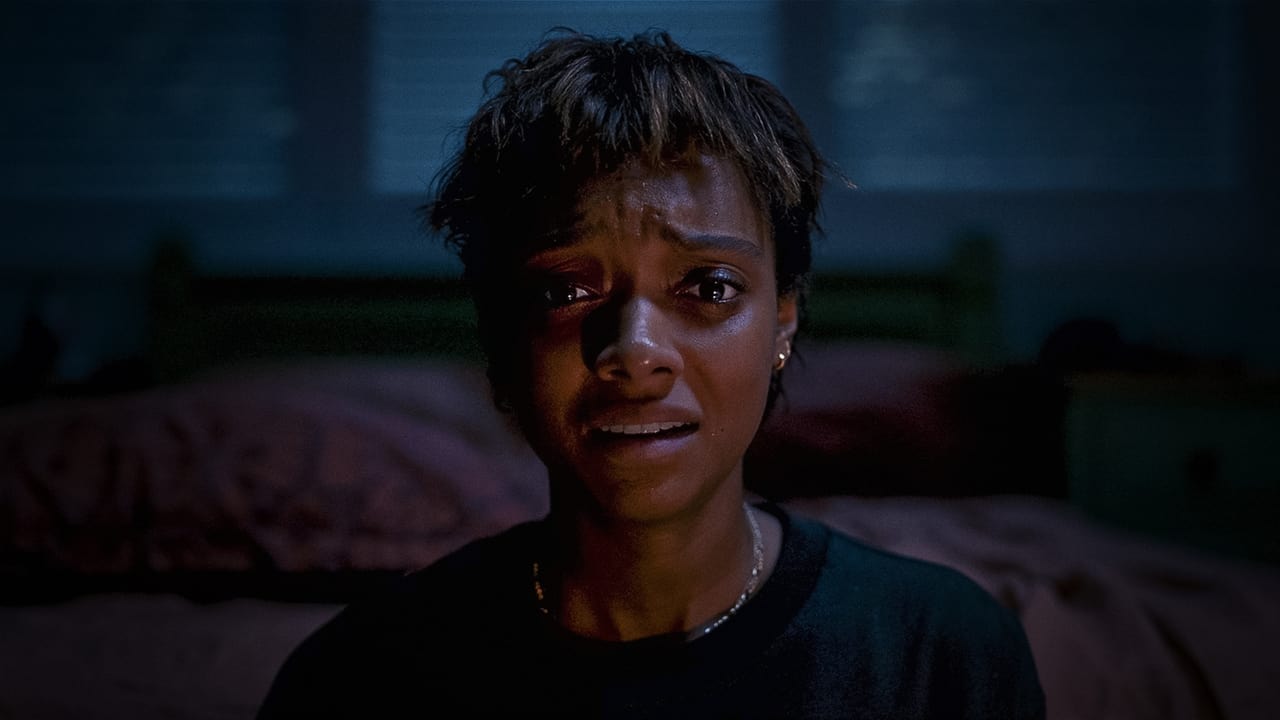
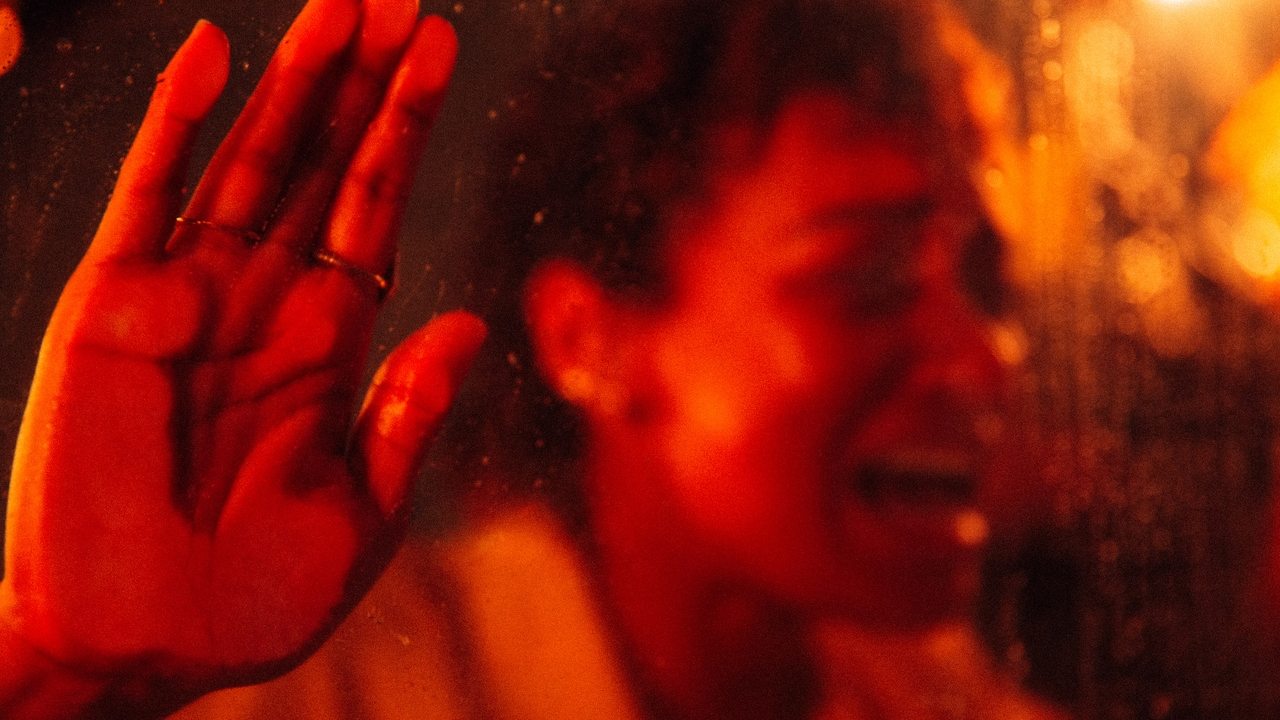
The violence here isn't stylized. When a character gets hurt, it feels heavy and permanent. The film uses practical effects to create body horror that sticks in your brain long after the credits roll. It’s the kind of movie that makes you want to look away from the screen, not because of a jump scare, but because of the sheer intensity of the performances. Sophie Wilde is incredible as Mia, but her descent into grief and obsession is a heavy lift for younger viewers who might not have the emotional distance to process it.
Making the "R" call
This film is often the one that triggers the ‘R’ talk in modern households. It’s trendy, it’s Australian, and it feels "cool" in a way that many American horror films don't. It’s currently sitting on our list of the top 25 must-see movies for teens right now for a reason: it’s a landmark for this generation’s horror.
If you decide to let them watch it, don't just leave them to it. The movie’s ending is bleak and offers no easy answers. It’s a perfect opportunity to talk about the "90-second rule" in the film—how the characters thought they could control a dangerous situation just by setting a timer. We see that same logic in real life with substance use or viral dares. The hand is just a conduit for a conversation about where the "thrill" ends and the consequences begin. If they can’t have that conversation, they aren't ready for the movie.