Summer of Soul

Summer of Soul

movie

PG-13, 2021, Documentary, History

WISE
91%

WISE Score

99

Avg. Tomatometer

The concert film that reclaims a lost piece of Black cultural history—and it absolutely slaps.

IMDb8
RT Critics99%
MC96
Common Sense Media
Where to Watch
Loading streaming options...
Screenwise Verdict

This is the rare documentary that works as both a history lesson and a genuinely great concert film. Questlove has rescued a piece of cultural memory that deserved to be celebrated decades ago, and the result is electric.

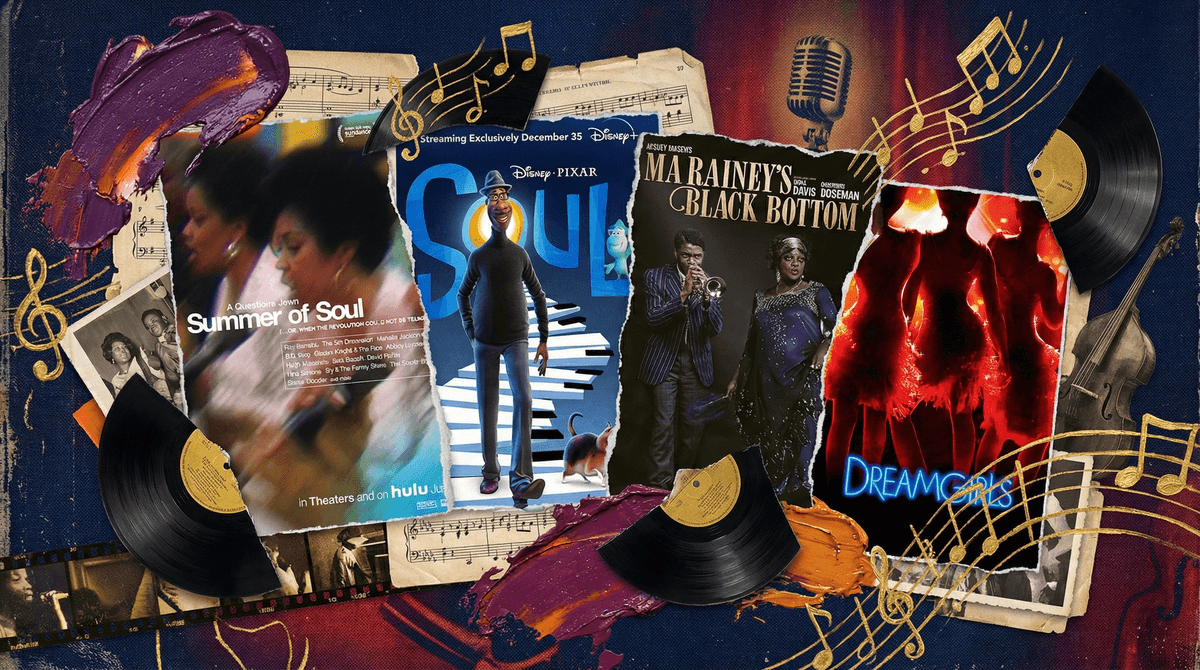
The performances alone are worth the watch—19-year-old Stevie Wonder on drums, Nina Simone's powerful presence, the Fifth Dimension in full sequined glory. But what makes this special is how it contextualizes the music within the broader story of Black pride, resilience, and joy in a tumultuous time.

It's not light viewing—the film grapples with erasure, inequality, and why this festival was buried while Woodstock became legend. But it does so with grace and purpose. For families with tweens and teens, this is an invaluable way to learn about civil rights history through the lens of culture and music. Just be ready to talk about some heavy stuff afterward.

Age Fit

Best for ages 10+ who can handle discussions of racism and civil rights history. The music is universally appealing, but younger kids may struggle with the documentary format and heavy themes. Teens and adults will get the most out of its historical and cultural significance.

WISE Breakdown
Wholesome
92

A joyful celebration of Black culture, music, and community that models pride, unity, and resilience. The concert footage radiates warmth and collective joy. Historical context includes discussion of civil rights struggles and systemic racism, but presented thoughtfully within the documentary framework. No gratuitous content—this is fundamentally about people coming together through music.

Imaginative
88

Questlove's directorial debut uncovers a 'lost' cultural treasure—footage that sat in a basement for 50 years—and weaves it into a compelling narrative about memory, erasure, and reclamation. The film invites viewers to question what other stories have been buried and why. The music itself (Stevie Wonder, Nina Simone, Sly and the Family Stone) is wildly creative and genre-defying, demonstrating artistic innovation across gospel, soul, funk, and jazz.

Safe
78

No violence, gore, nudity, or sexual content. Some mild language may appear in interviews. The documentary addresses serious historical topics—racism, inequality, the aftermath of MLK's assassination—which could be heavy for younger viewers but are handled with care and context. Not 'unsafe' but requires some emotional maturity to process the weight of the history being discussed.

Enriching
96

Extraordinary educational value. Fills a massive gap in American cultural history by documenting the 1969 Harlem Cultural Festival—often called 'Black Woodstock'—which has been largely erased from mainstream narratives. Offers rich context about the civil rights movement, Black identity, and the power of music as resistance and joy. The 99% Rotten Tomatoes critic score and 96 Metacritic rating reflect its profound impact. Viewers gain historical knowledge, cultural appreciation, and insight into systemic erasure—all while experiencing genuinely thrilling live performances.

Parent Info

Why It Might Be Great

  • Unearths incredible footage of Stevie Wonder, Nina Simone, Sly and the Family Stone, and more performing at their peak in 1969 Harlem
  • Fills a crucial gap in American history education—this festival drew 300,000 people but has been virtually erased from mainstream memory
  • The music is genuinely thrilling and accessible across generations; even kids who don't usually watch documentaries may get pulled in by the performances
  • Teaches about civil rights, Black pride, and cultural resilience in a way that feels alive and urgent, not like a dusty textbook
  • Near-perfect critical scores reflect its power as both entertainment and education

What to Watch For

  • Discusses racism, inequality, and the aftermath of MLK's assassination—not graphic, but emotionally weighty for younger kids
  • This is a documentary, not a narrative film, so pacing may feel slow for kids used to high-action content
  • Some interviewees may use mild language; overall tone is celebratory but grounded in serious history
  • Runtime is around 2 hours—plan accordingly for attention spans

Conversation Starters

  • "Why do you think this festival was forgotten when Woodstock (which happened the same summer) became so famous?"
  • "What did the music and the festival mean to the people who were there? How did it help them feel proud and connected?"
  • "Have you heard of any of these artists before? Which performances did you like best?"
  • "What other stories or events do you think might have been left out of history books?"

Ask Anything

Get a personalized guide on any topic