The 'Cat Game' That’s Actually a Sci-Fi Epic
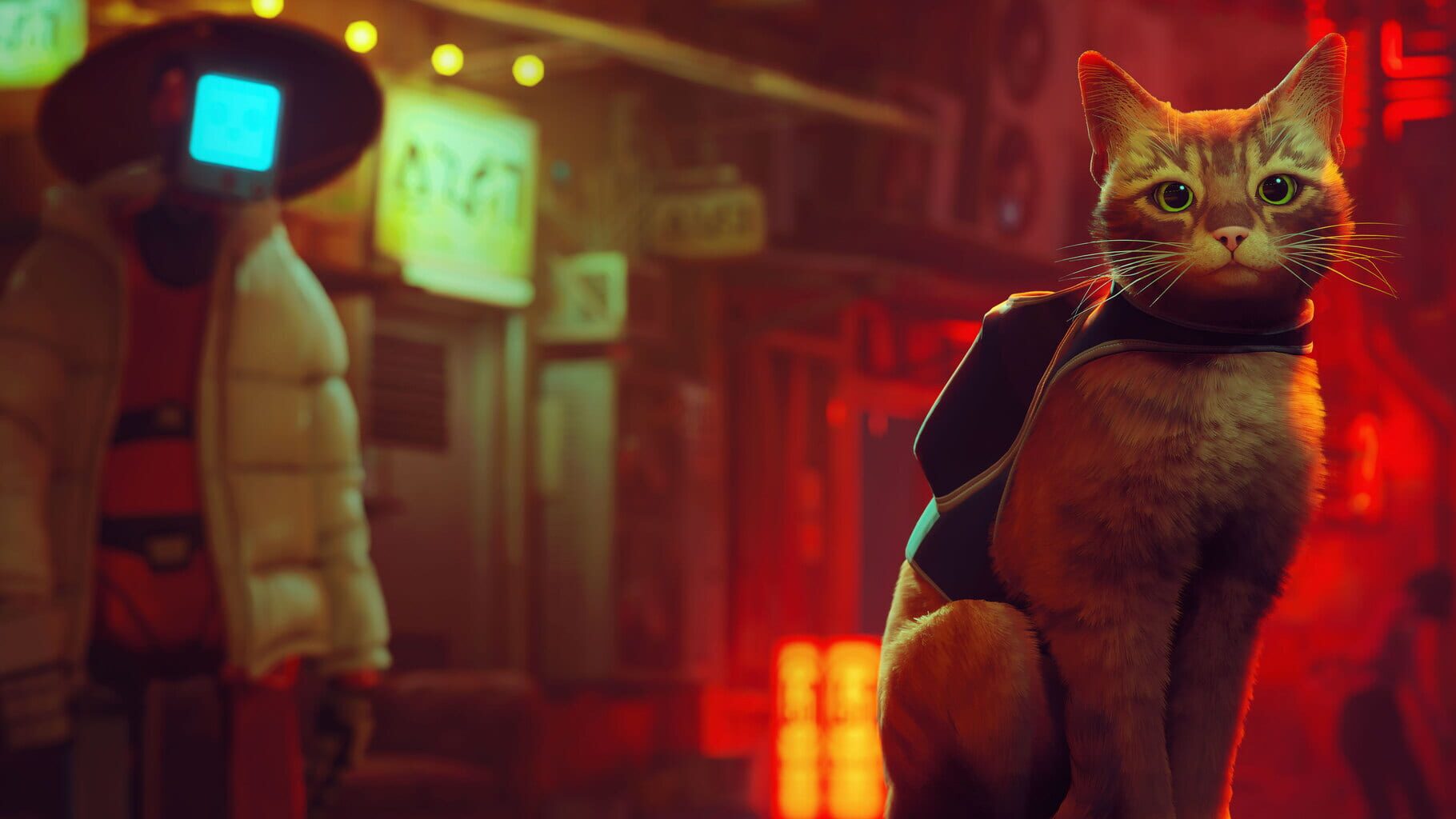
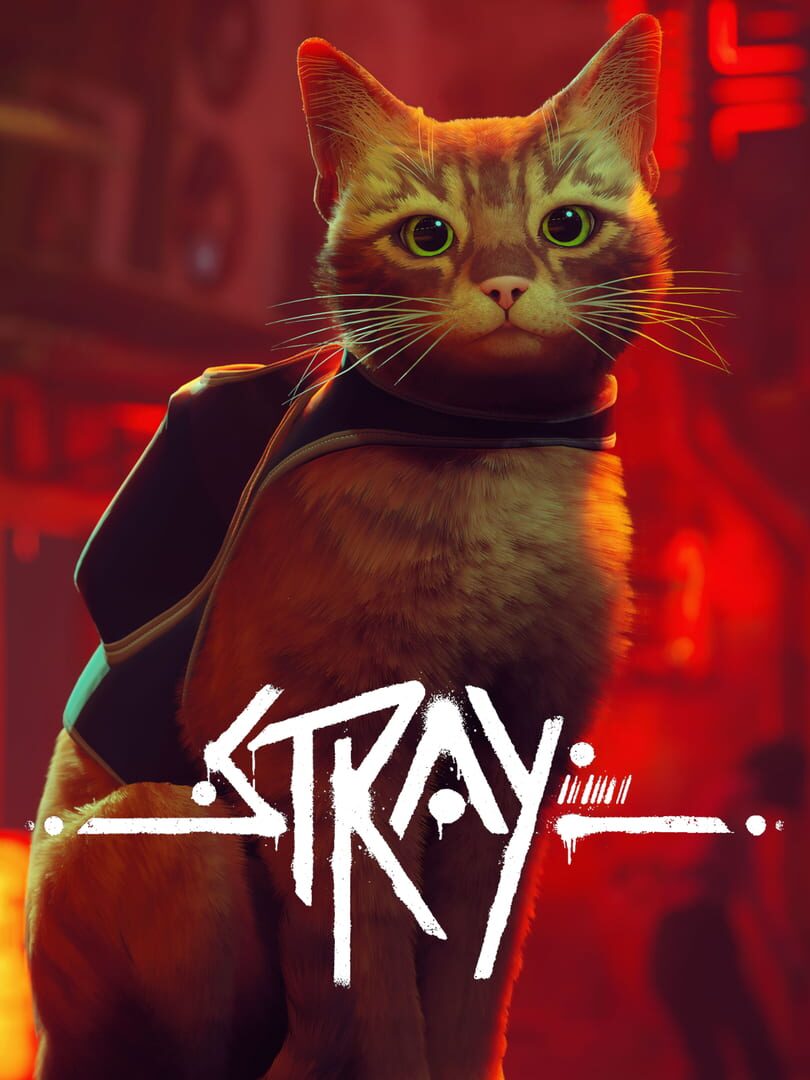
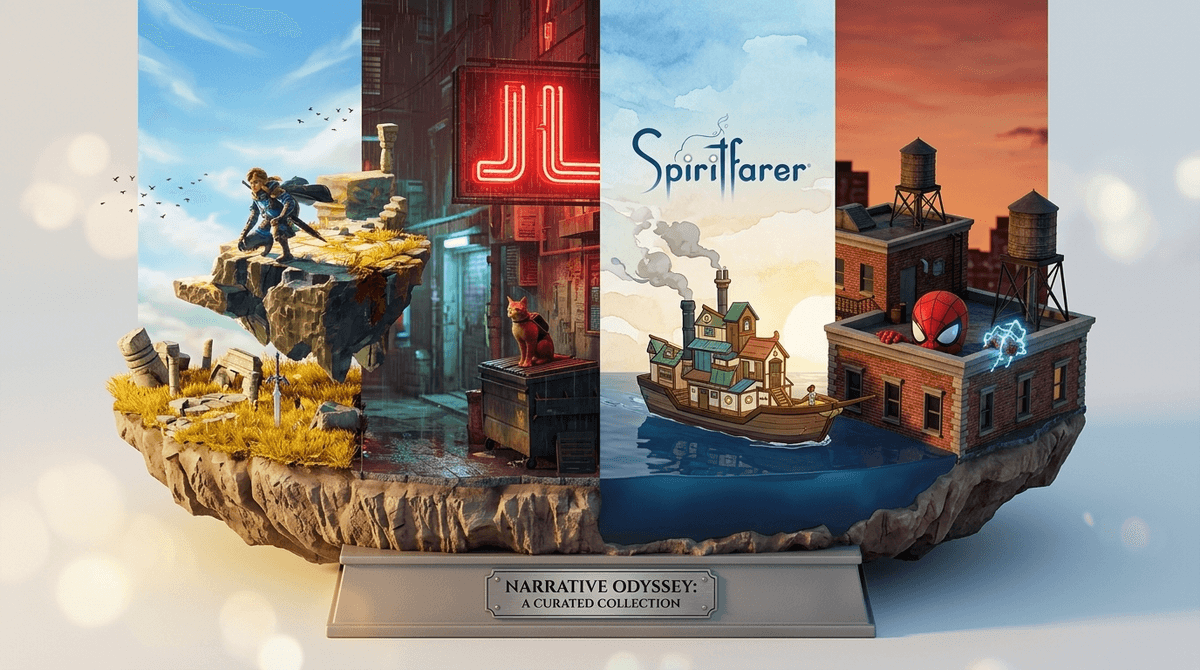
When Stray first dropped, the internet went wild because, well, cat. But four years later, it holds up because it's a genuinely tight piece of science fiction. You aren't a superhero cat; you're just a regular orange tabby that tripped and fell into a walled city. That vulnerability is what makes the game work. When you're being chased by Zurks—those nasty, glowing, one-eyed blobs—you don't have a laser beam to fight them off (at least not at first). You just have to run, jump, and knock things over.
Why it works for families
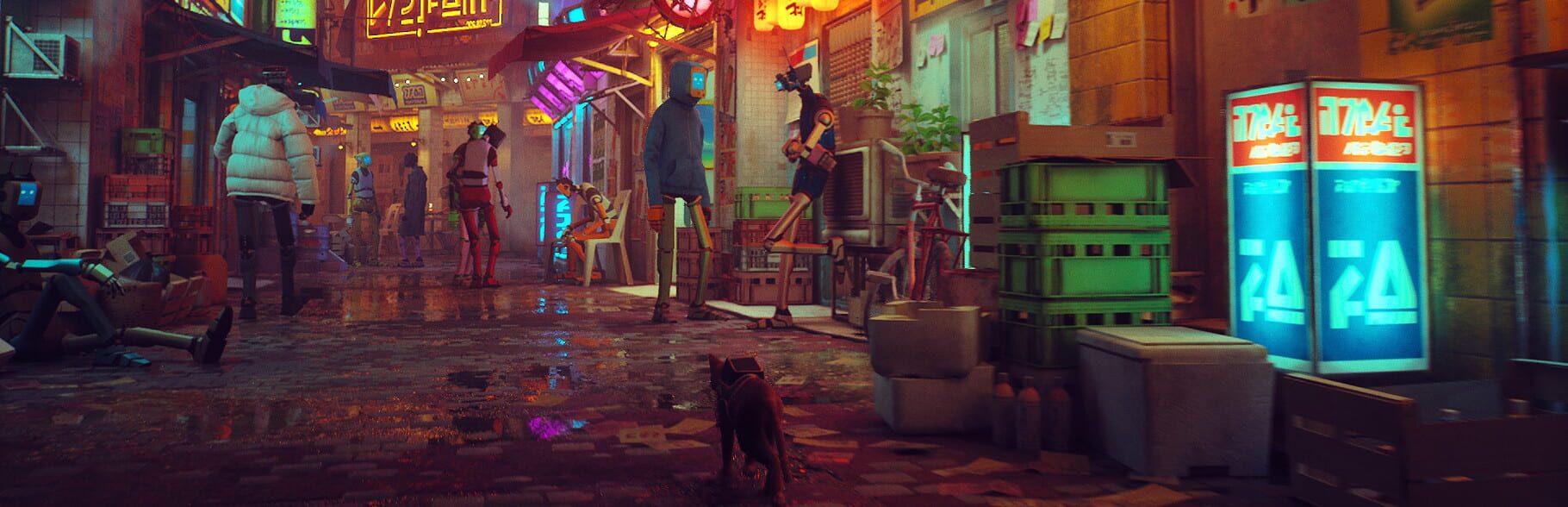
Most 'family-friendly' games feel like they're talking down to kids. Stray doesn't. It assumes you can handle a bit of melancholy and some complex environmental puzzles. The droids you meet are living in a sort of imitation of human life, and watching them try to understand what a 'cat' is provides some of the best humor and heart in recent gaming history.
The 'Stress' Factor
Be prepared: your kid will be stressed when the Zurks swarm. The game uses sound and lighting to create a real sense of peril. If you have a child who is particularly sensitive to animals in danger, you might want to sit with them for the first hour. The cat can 'fail' and reset to a checkpoint, and while it's not graphic (no blood, just a red screen fade), it can feel heavy because the animation of the cat getting tired or overwhelmed is very realistic.
A Visual Masterpiece
Even in 2026, the lighting in this game is top-tier. It's a great example of how 'Indie' doesn't mean 'low budget.' The way the cat moves—the weight of the jumps, the stretching, the way it squeezes through bars—is so well-observed it makes most AAA animal characters look like stiff puppets. It’s a great 'spectator game' too; even if you aren't the one holding the controller, it’s a blast to watch the story unfold.