The Logic of Literature
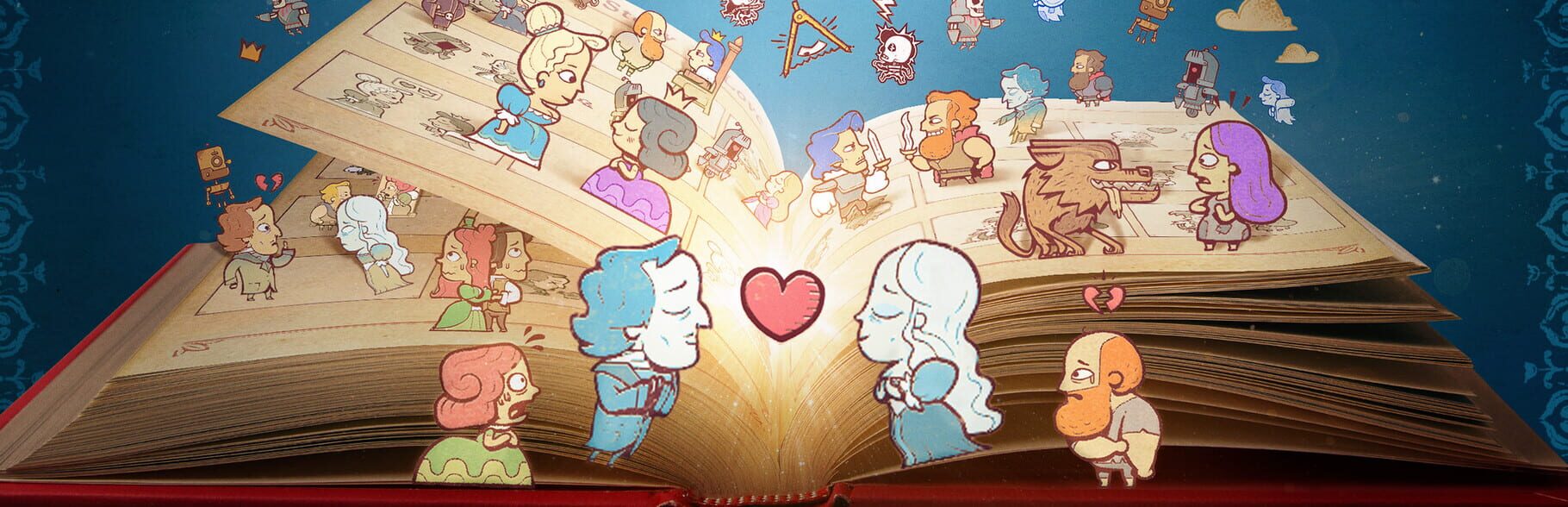
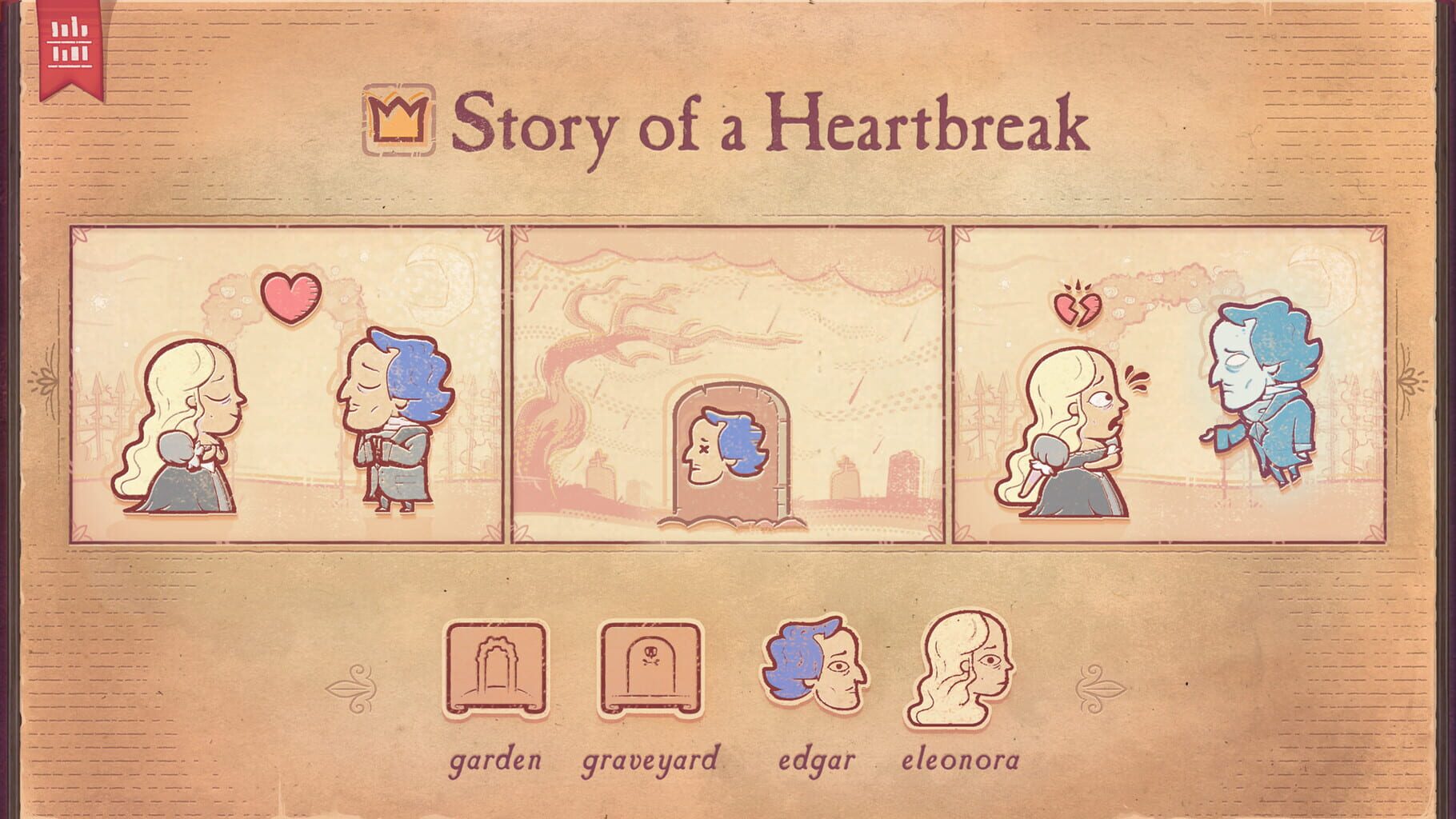
Most 'story-driven' games are actually just movies with occasional button presses. Storyteller flips that. It gives you a blank comic book, a title like 'Edgar Murders His Wife,' and a handful of actors. You then have to figure out the sequence of events that makes that title true. Do you make him jealous first? Do you introduce a weapon? What if the wife finds out and murders him instead?
This trial-and-error approach demystifies how stories are built. It’s essentially a logic puzzle where the variables are human emotions. If you place a 'Marriage' scene, the characters become spouses. If you then place a 'Death' scene, one becomes a widow. If you then place a 'Revive' scene... well, now you've got a ghost story.
A Note on the 'Darkness'
Yes, there is 'murder.' Yes, there is 'adultery.' But context is everything. The game uses these as archetypes, much like a deck of cards or a game of Clue. There is no gore, and the characters react with exaggerated, theatrical expressions. It’s less Game of Thrones and more A Series of Unfortunate Events.
How to Play Together
Because the game is so visual and the puzzles are self-contained, it’s a fantastic 'couch co-op' experience even though it's technically single-player. Sit with your kid and talk through the logic. 'Wait, if we put the Baron in the cellar, will the Knight still find the crown?' It turns screen time into a collaborative brainstorming session.
If your kid is a fan of Baba Is You or Portal, they’ll appreciate the 'aha!' moments here. Just be prepared for it to be over quickly—this is a game that respects your time, which in 2026, is a feature, not a bug.