The "high-stakes chess" of the 2010s
If your teen is used to the frantic, reactive chaos of Fortnite or the sandbox freedom of Minecraft, StarCraft II is going to feel like a system-shock. This isn't a game where you just wander around and hope for the best. It’s a relentless exercise in multitasking. You’re managing an economy, building a base, and micro-managing individual soldiers all at once.
Critics and fans have kept this at the top of the RTS heap for over a decade—it currently holds an 87 on IGDB—because it’s essentially the gold standard for The Best Strategy Games for Kids That Build Smarter Brains. It demands a level of focus and forward-thinking that most modern "live service" games don't require. If you see your kid staring at the screen with a look of intense, quiet panic, they’re probably doing it right.
Space westerns and exploding aliens
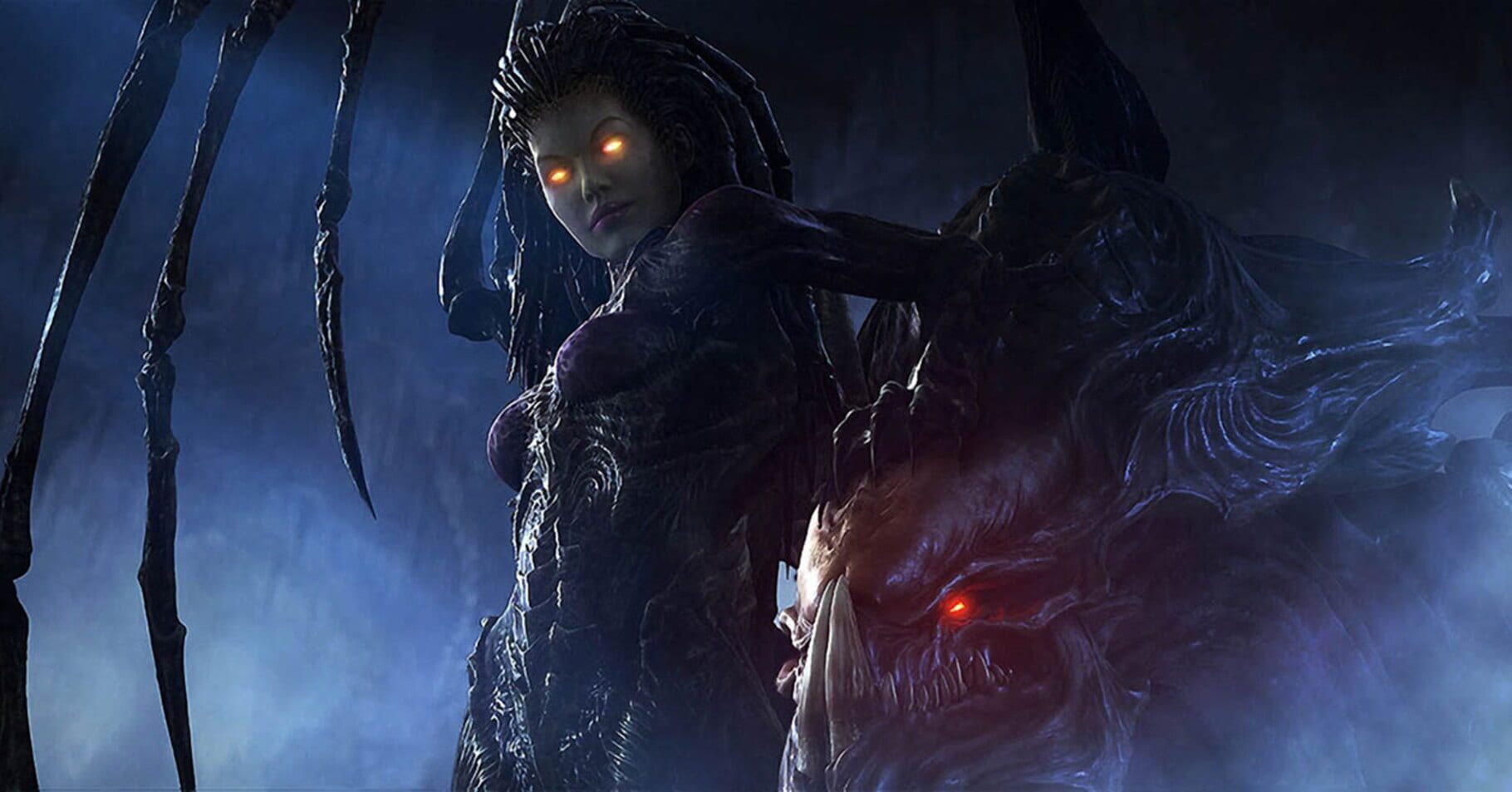
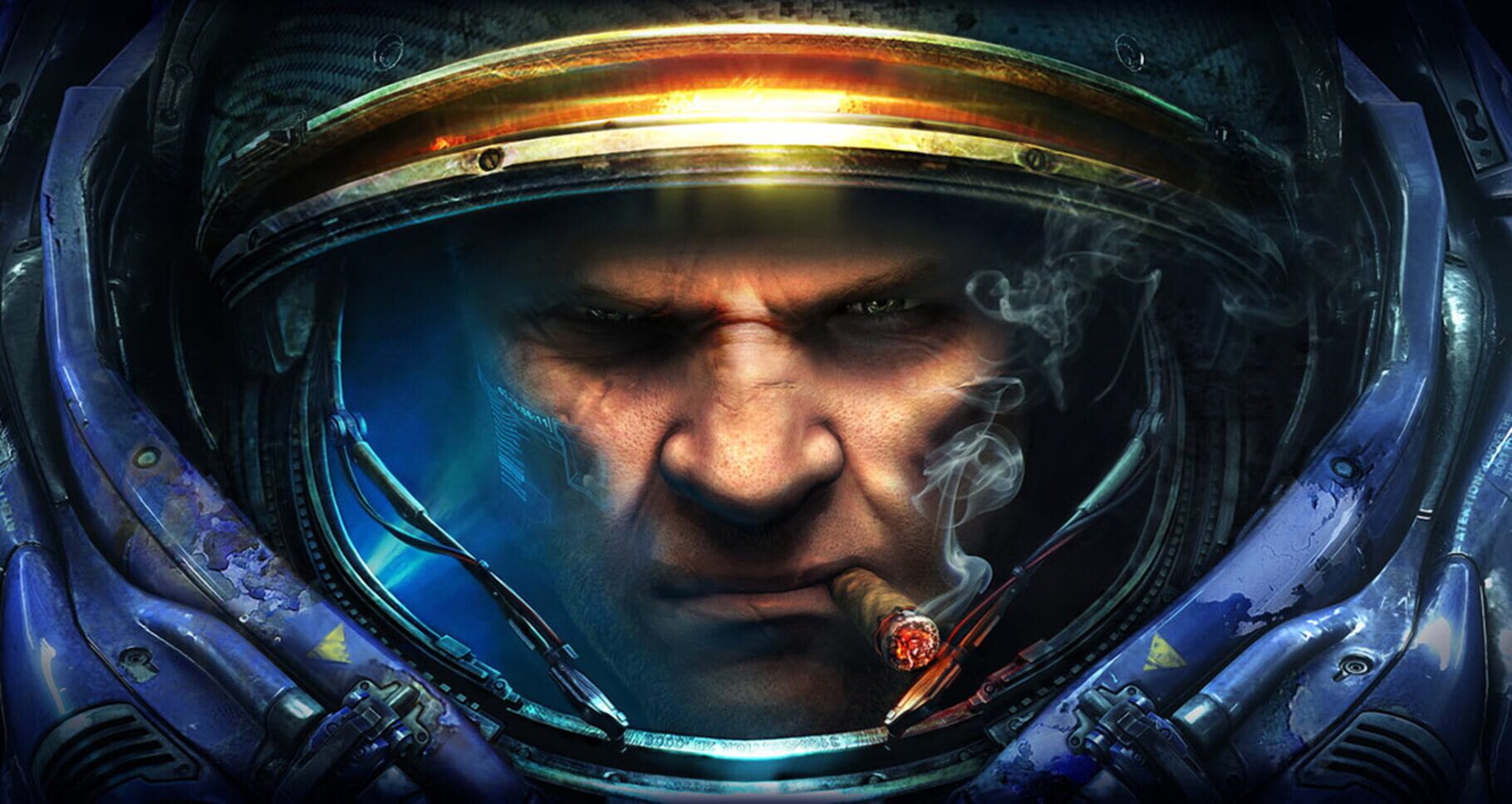
The campaign follows Jim Raynor, and the vibe is very much "outlaw in space." Think Firefly but with more power armor. While the story is a classic revenge arc against Arcturus Mengsk, the friction for parents usually comes from the Zerg.
The Zerg are a biological hive mind, and when they die, they don't just disappear. They pop. There is a lot of green and red goo, and the "crunchy" sound effects of alien carapaces shattering are visceral. It’s stylized sci-fi violence, but it’s constant. If your kid is sensitive to "body horror" or graphic biological messes, the Zerg missions will be a hurdle. Also, the "space marine" culture involves a lot of cigar smoking and rough-around-the-edges dialogue that leans into that gritty military aesthetic.
The "Ladder" and the art of losing
Multiplayer is where StarCraft II becomes a different beast entirely. It’s famous for "ladder anxiety." Because the game is so skill-dependent, losing can feel deeply personal. There’s no "lucky shot" that wins a match; if you lose, it’s usually because your opponent out-planned or out-worked you.
This is actually a great teaching moment if your teen can handle it. It forces a certain level of resilience. You have to watch your own replays, figure out where your economy stalled, and try again. However, if your kid tends to throw controllers or "rage-quit" when things get difficult, the competitive side of this game will be a grind.
Why it still holds up
Even though it’s a 2010 release, the polish is still there. Blizzard built this to be a "forever game," and the animations and mechanical "tightness" still feel better than most strategy games released last year.
- If they liked Halo: They’ll dig the aesthetic and the "super-soldier" vibe of the Terrans.
- If they liked Civilization: They’ll appreciate the depth, but might be stressed out by the "real-time" aspect where they can't stop to think.
- If they liked Chess: This is the natural evolution.
It’s a heavy lift, but for a teen who wants to feel like a commander rather than just another player in a lobby, it’s the best there is. Just be prepared for them to spend a lot of time on YouTube watching build-order tutorials—it’s that kind of game.