The Jedi Sequel We Deserved
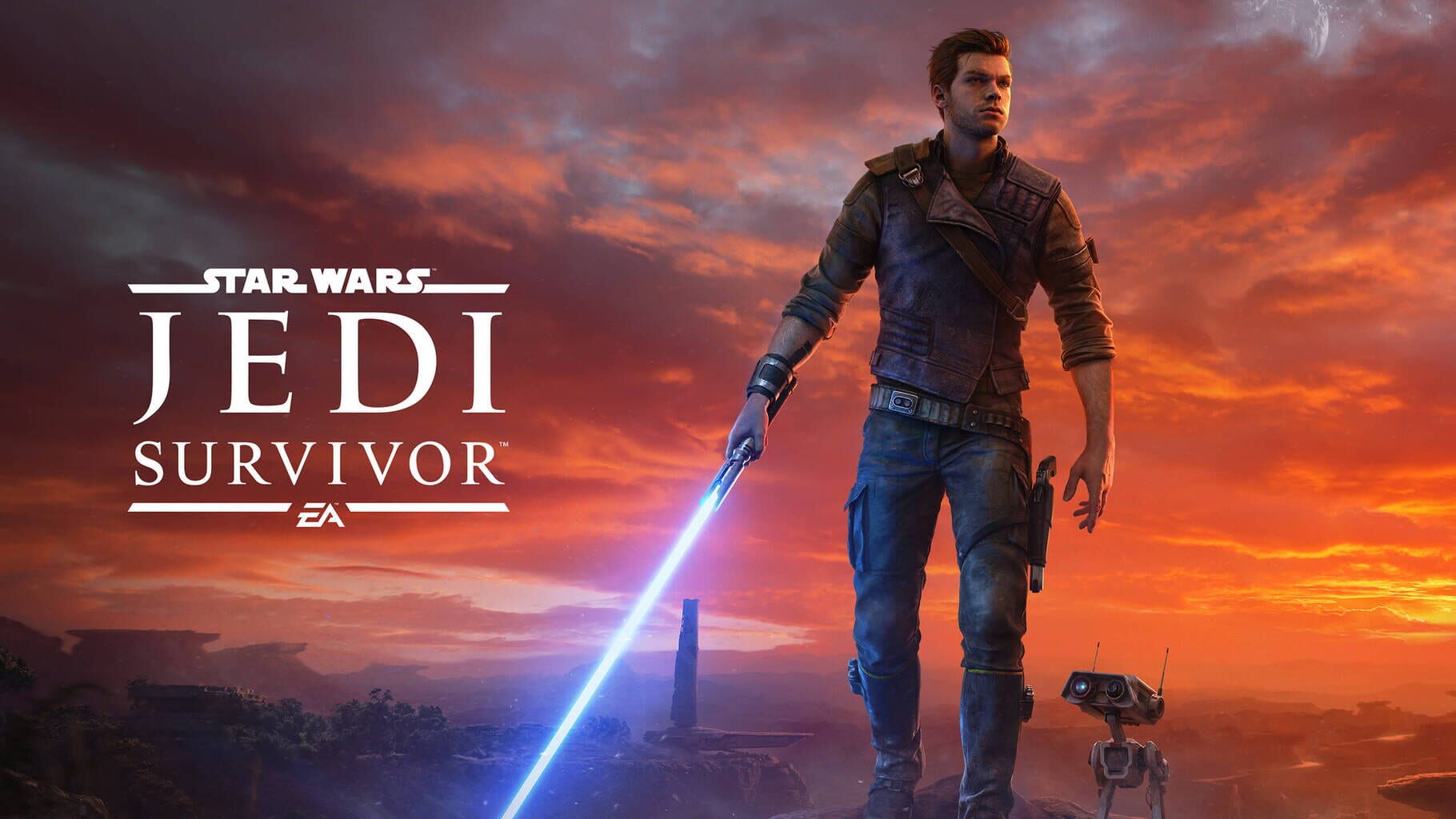
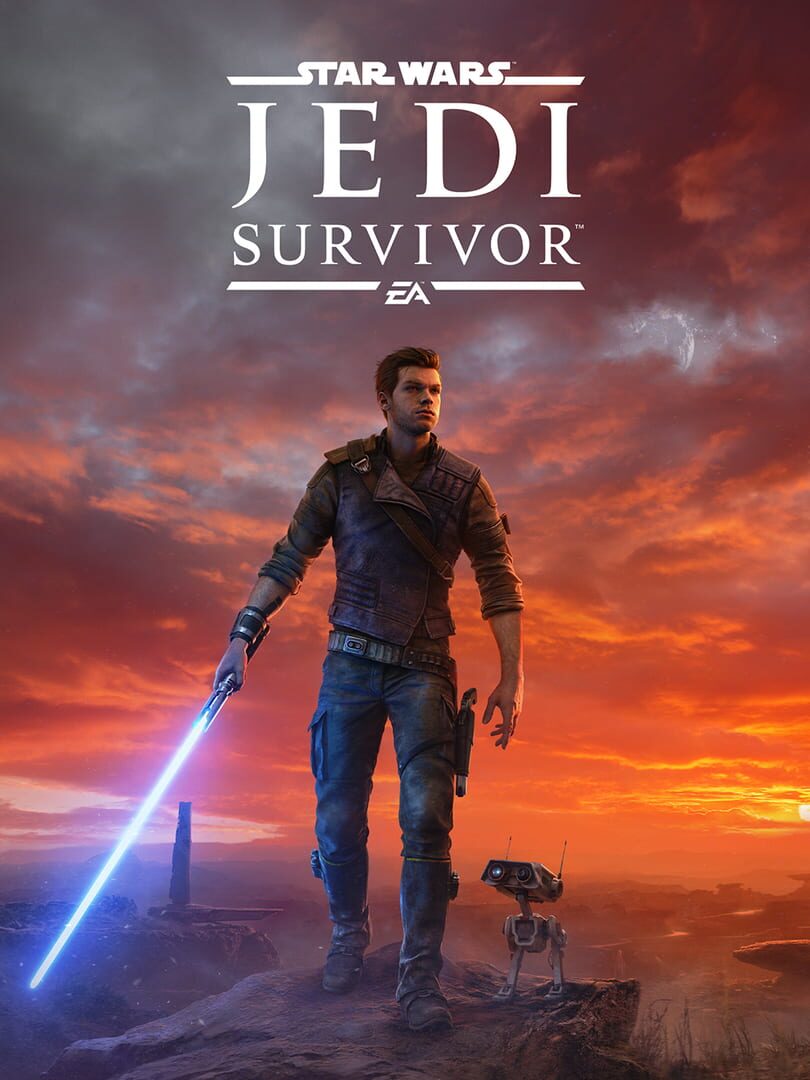
When Jedi: Fallen Order dropped in 2019, it was a breath of fresh air: a Star Wars game that didn't try to nickel-and-dime you. Survivor takes that foundation and builds a skyscraper on it. It’s five years later, and Cal Kestis isn't a Padawan anymore. He’s a tired, capable guerrilla fighter, and that shift in character makes for a much more compelling narrative.
The Violence Question
The biggest jump from the first game to this one is the dismemberment. In the first game, you could chop up spiders and droids, but humans stayed in one piece. In Survivor, a well-timed heavy strike can and will take off a limb. There's no gore—Star Wars has always used the 'cauterized wound' loophole—but it’s a noticeable uptick in realism that parents of younger kids should be aware of. It feels less like a cartoon and more like a gritty sci-fi action movie.
Exploration and Puzzles
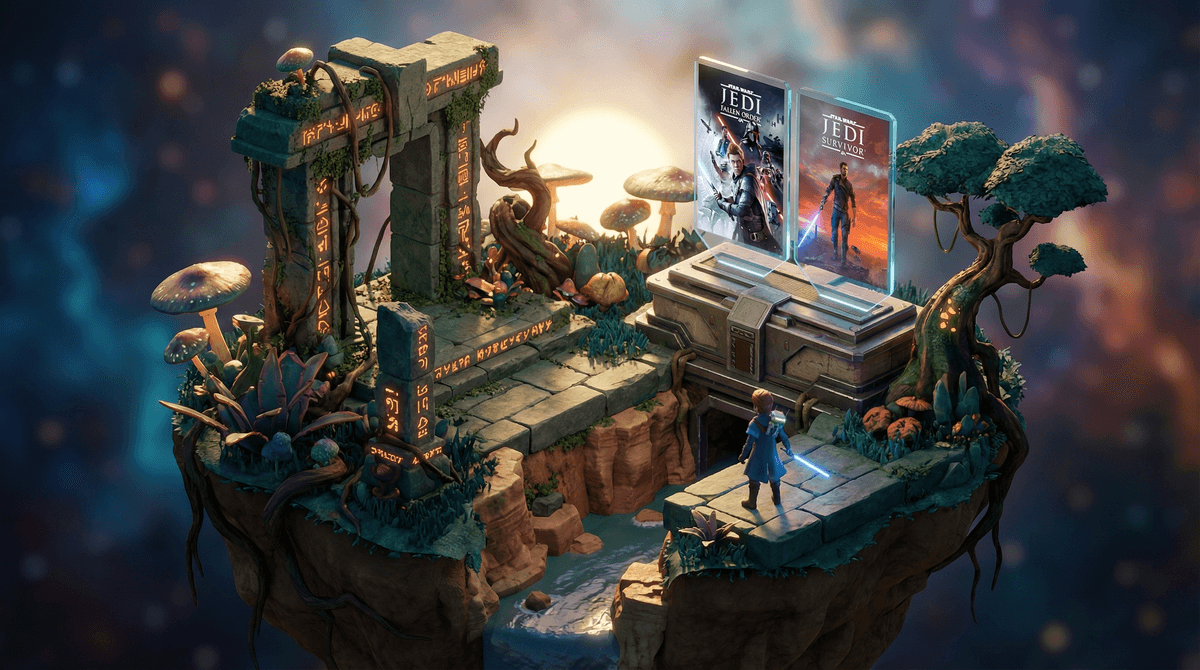
This isn't just a button-masher. The game is heavily influenced by the 'Metroidvania' genre, meaning you'll see areas you can't reach yet and have to come back later once you've learned a new Force power. The 'Jedi Chambers' are essentially Zelda-style puzzle rooms that require genuine logic to solve. It’s the kind of game where you might actually see your kid put the controller down to map out a solution in their head, which is always a win in our book.
Why It Matters
In an era of gaming dominated by 'live service' titles designed to be played forever (and paid for forever), Survivor is a finite, authored experience. It has a beginning, a middle, and a powerful end. It encourages mastery of its systems and deep engagement with its characters. For a Star Wars fan, it’s essential; for a parent, it’s a relief to see a blockbuster game that just wants to be a great game.