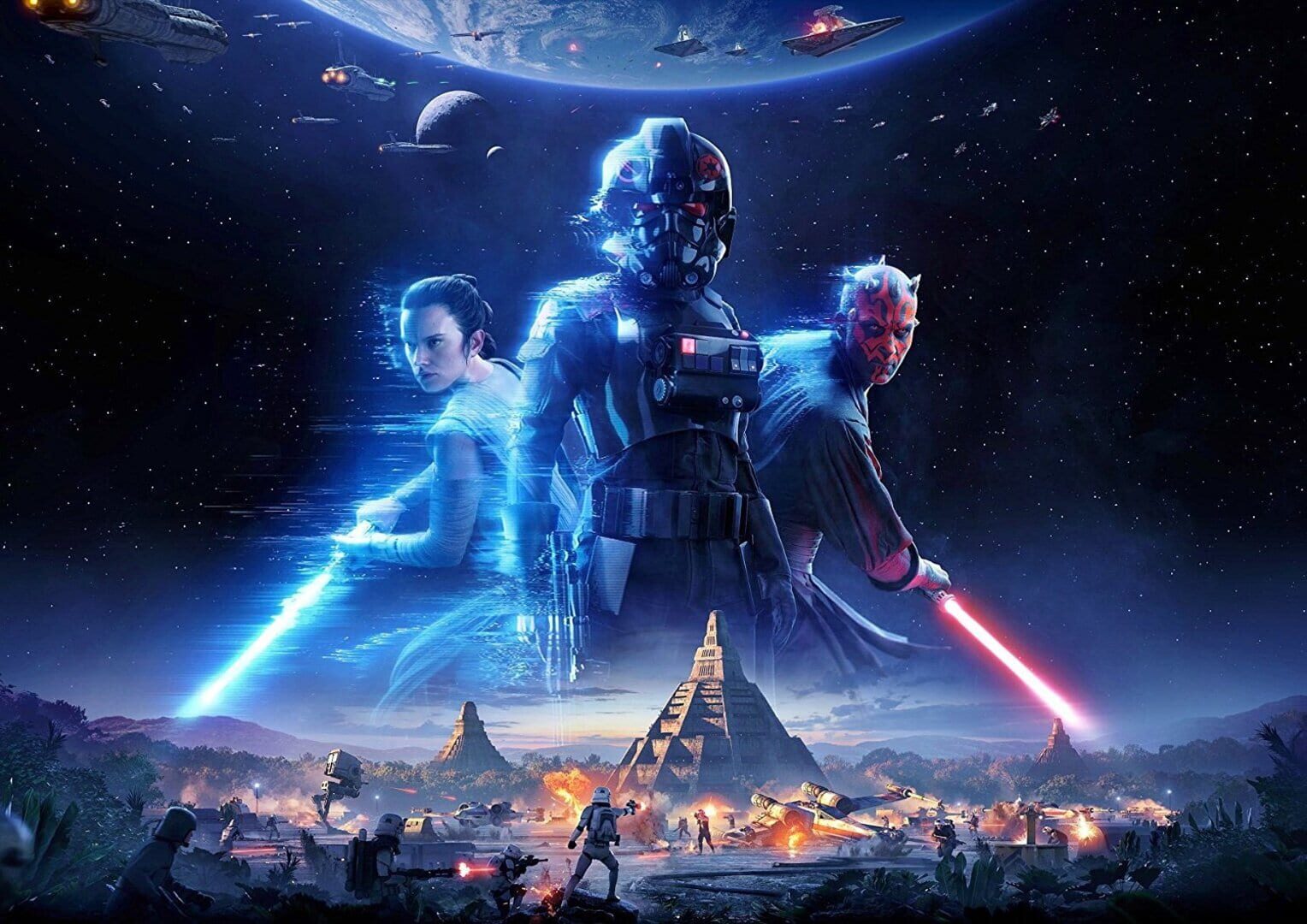
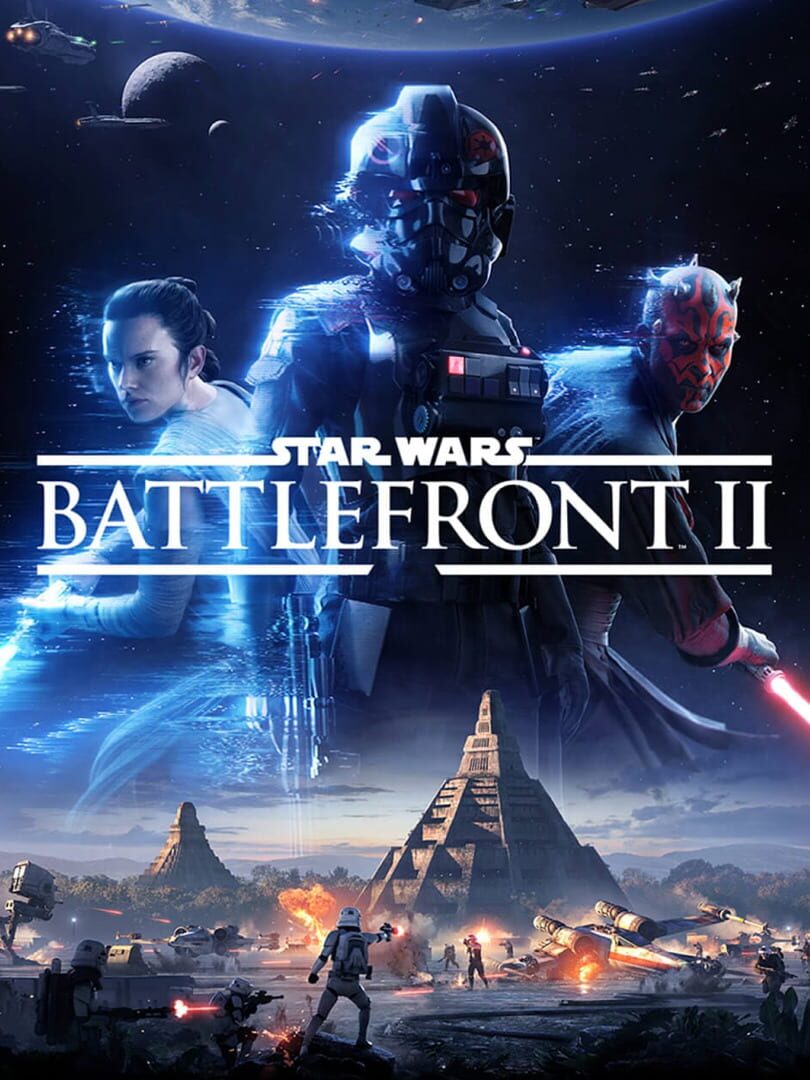
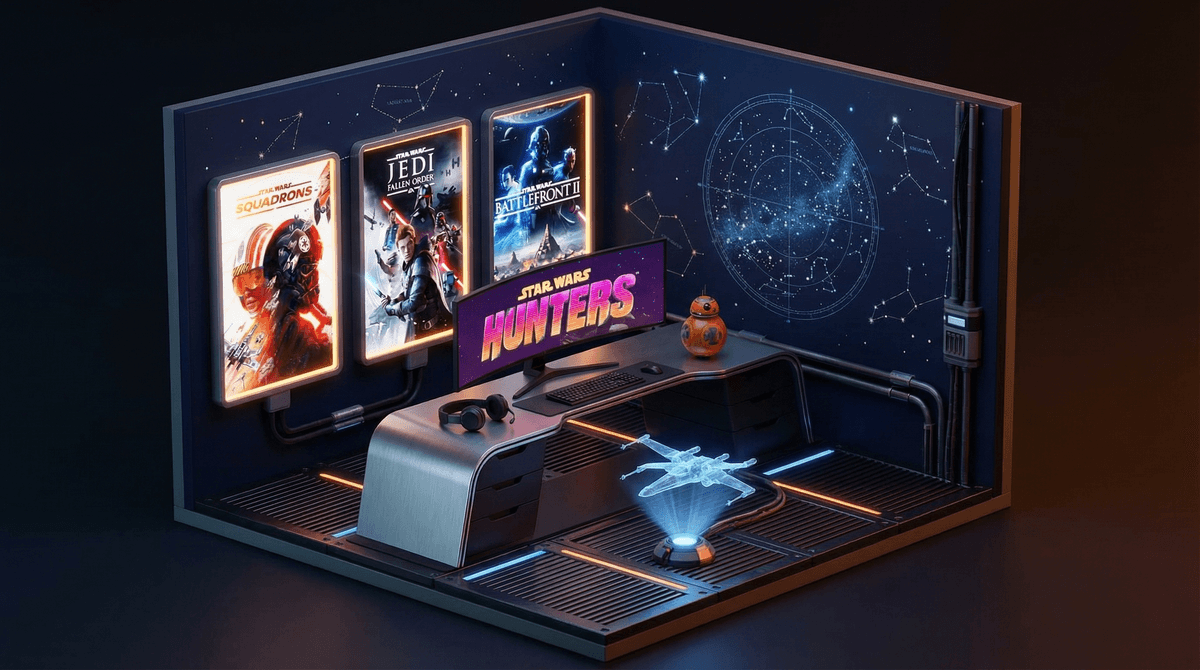
The "Diet Call of Duty" of the Star Wars world
If your kid is asking for a serious shooter but isn't quite ready for the hyper-realistic grit of military sims, this is the middle ground. It’s essentially a gateway game. It offers the same high-intensity, 40-player chaos you’d find in a modern combat title, but replaces blood and reloading animations with blaster bolts and cooling vents.
Because it covers the prequels, the original trilogy, and the sequels, it functions as a playable encyclopedia of the franchise. One minute they’re a clone trooper on Kamino, the next they’re Luke Skywalker on Hoth. If you’re trying to figure out where this fits in the hierarchy of Star Wars games for kids, think of it as the step up from LEGO titles—more demanding, more competitive, and much more focused on the action than the humor.
The redemption arc is real
You might remember the absolute firestorm this game caused when it launched in 2017. It was the poster child for "loot boxes" and "pay-to-win" mechanics. Critics and fans on Reddit essentially bullied the developer, EA Digital Illusions CE, into fixing it.
The good news? They actually did. The version you buy today is a complete experience. There are no more predatory gambling mechanics or paywalls blocking your favorite characters. Everything is unlocked through play. It’s rare to see a game with a 70 IGDB score feel this polished, but that’s because most of those reviews were written during the launch-day disaster. Today, it’s a much better product than its initial reputation suggests.
Why the campaign matters
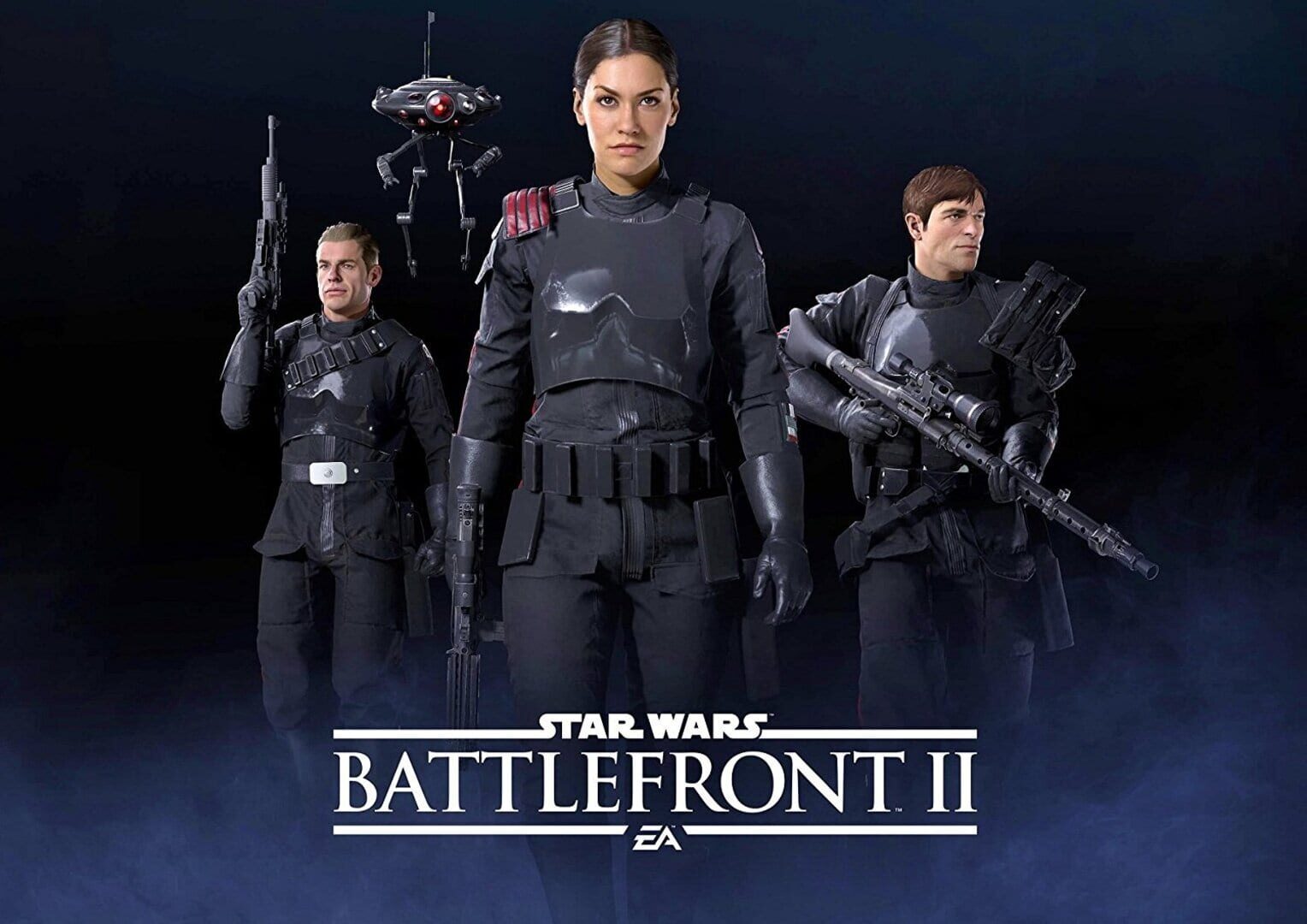
While most kids jump straight into the multiplayer to duel as Darth Maul, don't sleep on the single-player story. It follows a new hero—an Imperial special forces officer—and bridges the thirty-year gap between the end of the original movies and the start of the new trilogy.
It’s a great way for players to get a handle on the mechanics without the frustration of being sniped by a level-500 veteran player every three seconds. If your kid is deep into the lore after watching Revenge of the Sith, the campaign provides a "boots on the ground" perspective that the movies usually skip over.
Managing the jump to online play
The biggest friction point isn't the violence; it's the intensity. Multiplayer matches are fast and can be demoralizing if you’re losing. Since there’s no online chat in the base data version, you don't have to worry about toxic voice channels, but the competitive pressure is still there.
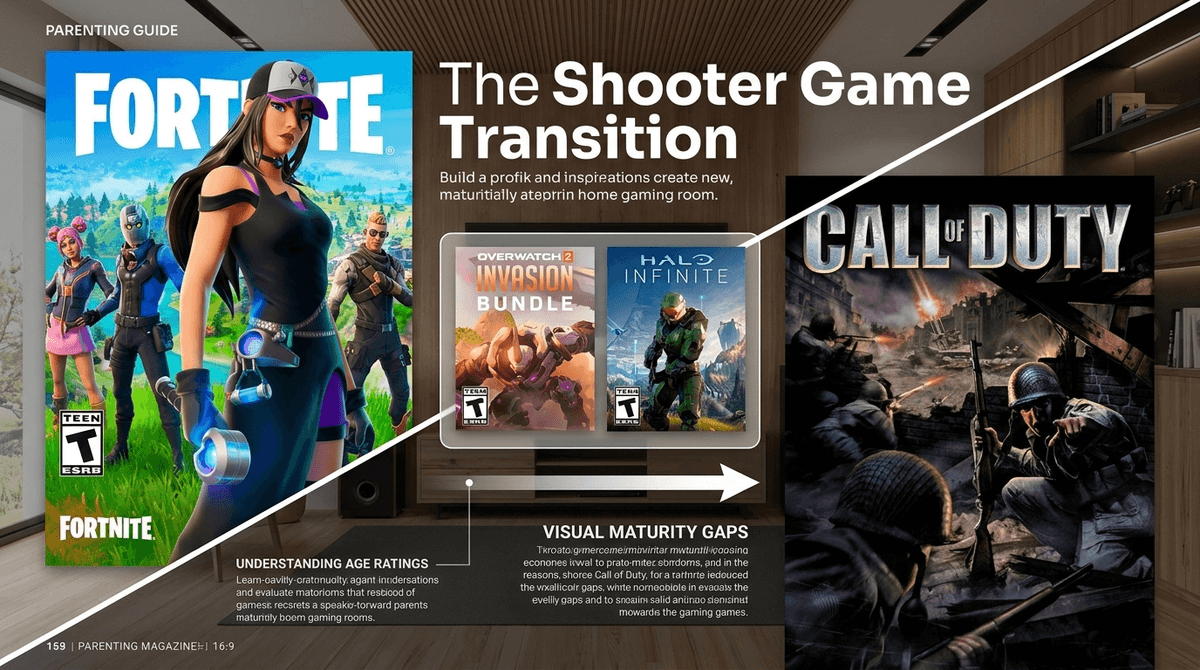
If they’re coming from something like Fortnite, the transition is usually smooth. But if they’ve mostly played creative or building games, the shift to a pure shooter can be a shock. We have a guide on navigating the jump from Fortnite to Call of Duty that applies perfectly here—it’s about managing the "sweaty" nature of modern shooters and knowing when to take a break before the controller gets tossed.
The Starfighter factor
One specific thing that sets Battlefront II apart is the space combat. It’s not just an afterthought; it’s a huge part of the game. Flying an X-Wing or a TIE Interceptor through the wreckage of a Star Destroyer is a spectacle that few other games nail this well. If your kid is more of a "pilot" than a "soldier," they might spend their entire time in the Starfighter Assault modes. It’s a nice break from the standard run-and-gun gameplay and offers a different kind of strategic thinking.