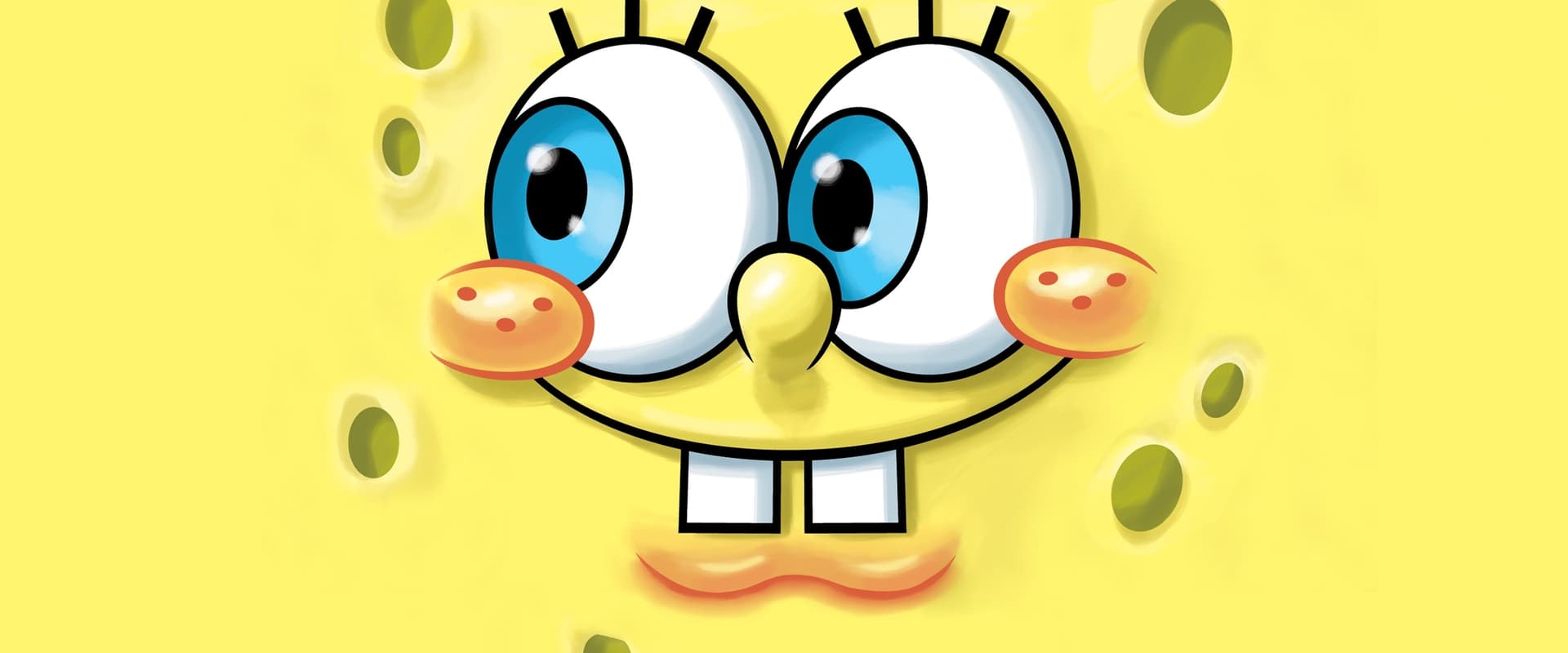
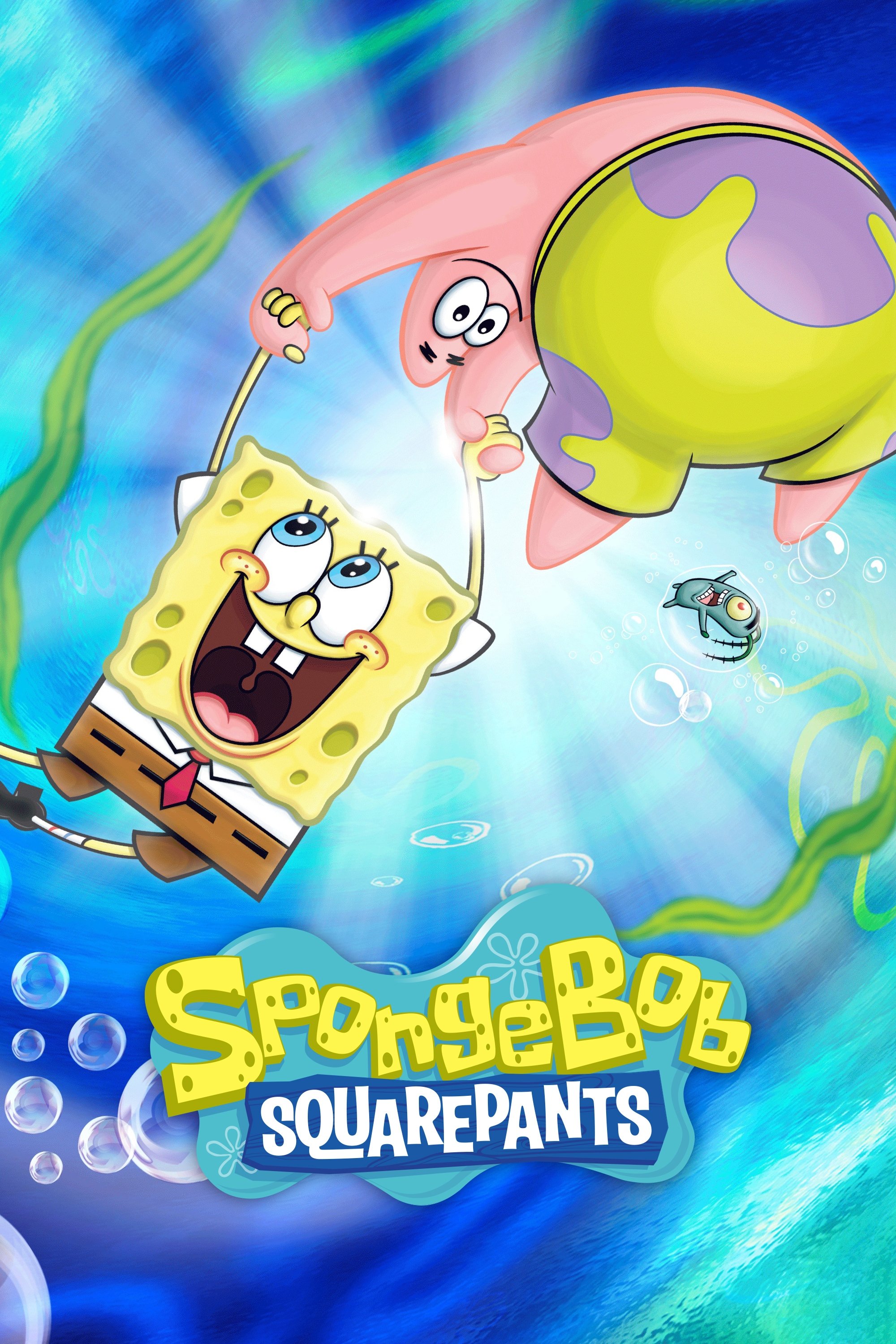
SpongeBob SquarePants

SpongeBob SquarePants

show

TV-Y7, 1999, Animation, Comedy

WISE
58%

WISE Score

8.2

IMDb

The chaotic yellow sponge who launched a thousand memes—beloved by kids, tolerated by parents who miss the early seasons.

IMDb8.2
TMDB7.7
Common Sense Media
Where to Watch
Loading streaming options...
Screenwise Verdict

SpongeBob is the ultimate 'fine, whatever' show for parents. It's not going to teach your kid anything, the pacing will make you want to tear your hair out, and the humor often models exactly the kind of behavior you're trying to discourage (mockery, chaos, impulsivity).

But here's the thing: it's culturally ubiquitous. Your kid will encounter SpongeBob references constantly, and early seasons genuinely had creative, clever writing that made it a phenomenon. The underwater world is imaginative, it's safe in terms of content, and it won't traumatize anyone.

The real issue is it's basically empty calories—entertaining but not enriching. If your kid watches occasionally and can handle the frenetic energy without becoming a whirling dervish themselves, it's harmless. If they're binge-watching for hours or you notice behavior changes (more impulsive, more chaotic, meaner to siblings), pull back. And if you can, steer them toward early seasons (1-3) which had more heart and better writing before the show became a content mill.

It's survived 25+ years for a reason, but that doesn't mean it's good for developing brains in large doses.
Age Fit

Best for ages 6-11, though it's designed for kids and theoretically appropriate younger. The chaotic energy and mean humor make it less ideal for sensitive kids or those under 6. Teens might watch ironically for nostalgia and memes.

WISE Breakdown
Wholesome
62

SpongeBob models optimism and friendship, but the show is famously chaotic with frenetic pacing that concerns many parents and educators. Characters often model meanness (Squidward's constant irritation, Patrick's stupidity being the butt of jokes, Mr. Krabs' greed). The tone is more absurdist than emotionally grounding, and while kindness appears, so does a lot of slapstick cruelty and mockery. Early seasons (1999-2004) were more wholesome; later seasons became increasingly manic and less character-driven.

Imaginative
78

The underwater Bikini Bottom setting is genuinely creative and surreal—pineapple houses, underwater campfires, a squirrel in a diving suit. The show's visual gags, absurdist humor, and bizarre scenarios (the Krusty Krab training video, the imagination box episode) invite playful thinking. However, it's more about consuming weird humor than inspiring kids to create or explore themselves. It's imaginative content, not necessarily imagination-building content.

Safe
75

No sexual content, minimal violence beyond cartoon slapstick, no gore or truly scary moments. The biggest safety concerns are behavioral: kids mimicking the chaotic energy, the occasional gross-out humor (nose-picking, toilet jokes), and some mean-spirited interactions between characters. Some episodes have mild peril but nothing traumatic. Kids mode is available on platforms. Overall predictable and safe in content, though the frenetic energy itself can feel unsafe for sensitive kids or those with attention challenges.

Enriching
48

This is pure entertainment with minimal educational or developmental value. SpongeBob's work ethic could be positive, but his naivety is often portrayed as foolishness. Most episodes resolve through chaos rather than problem-solving or character growth. The humor is largely absurdist and referential rather than teaching empathy or skills. It's funny and culturally significant (kids will get memes and references), but it's not building much beyond entertainment. Some episodes have friendship lessons, but they're buried under the chaos.

Parent Info
✓

Why It Might Be Great

  • Genuinely creative and absurdist world-building that's visually inventive and memorable
  • Cultural currency—your kid will understand half the memes on the internet
  • SpongeBob's optimism and enthusiasm for his job (even fry-cooking) can be endearing
  • Early seasons (1999-2004) had smarter writing and more heart before it became pure chaos
  • Harmless enough that you can zone out while it's on without worrying about inappropriate content
⚠

What to Watch For

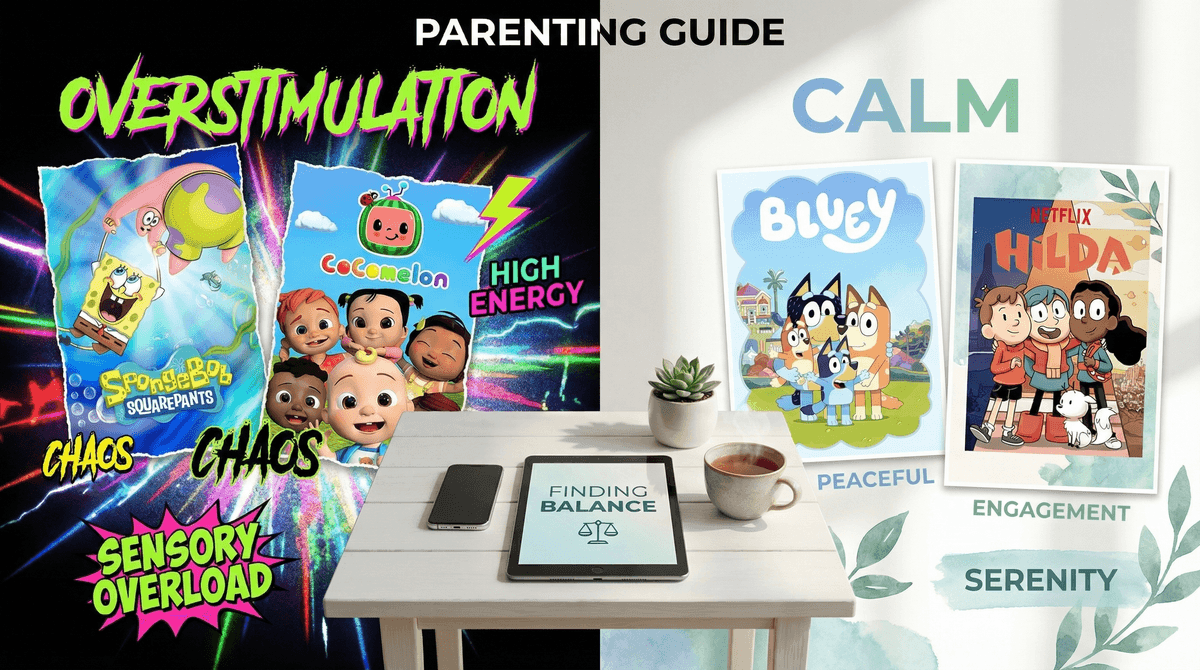
  • The pacing is absolutely manic—like someone gave a cartoon espresso shots—which concerns educators and can overstimulate kids
  • Lots of mean-spirited humor: Squidward is constantly mocked, Patrick's stupidity is the joke, characters are cruel to each other
  • Gross-out humor (nose-picking, toilet jokes, body gags) that some families find distasteful
  • Later seasons (post-2004, especially post-movie) are noticeably lower quality with more chaos and less character
  • Zero educational value—this is pure sugar content for the brain

Conversation Starters

  • "Why do you think SpongeBob loves his job so much when Squidward hates it?"
  • "Patrick is SpongeBob's best friend, but he's not always nice to him. What makes someone a good friend?"
  • "If you could live in Bikini Bottom, what would your house look like?"
  • "Why is Mr. Krabs so obsessed with money? Is that a good way to be?"
  • "Which character are you most like when you're having a bad day?"
Stills
SpongeBob SquarePants — still 1
SpongeBob SquarePants — still 2
SpongeBob SquarePants — still 3
SpongeBob SquarePants — still 4
SpongeBob SquarePants — still 5
SpongeBob SquarePants — still 6
SpongeBob SquarePants — still 7
SpongeBob SquarePants — still 8

Ask Anything

Get a personalized guide on any topic

Related Guides