The "Canon" Conflict is the Real Villain
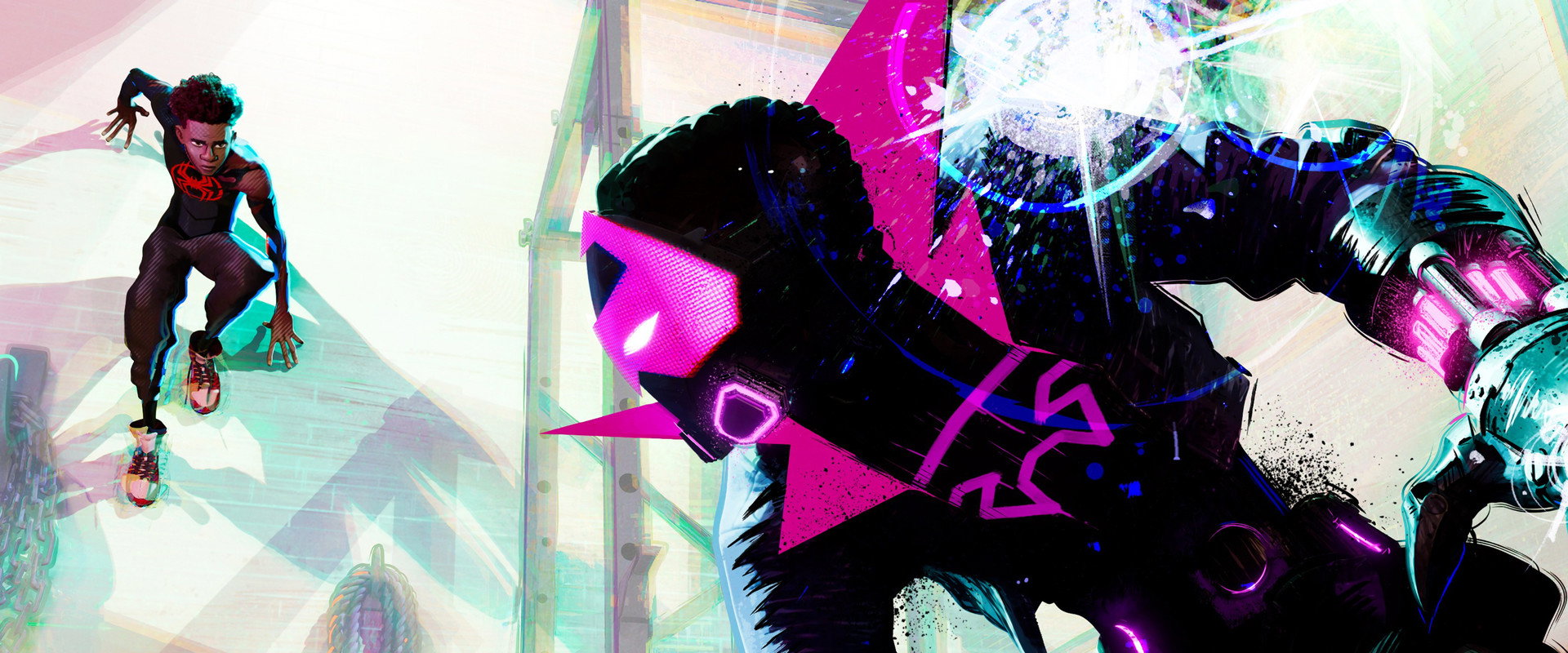
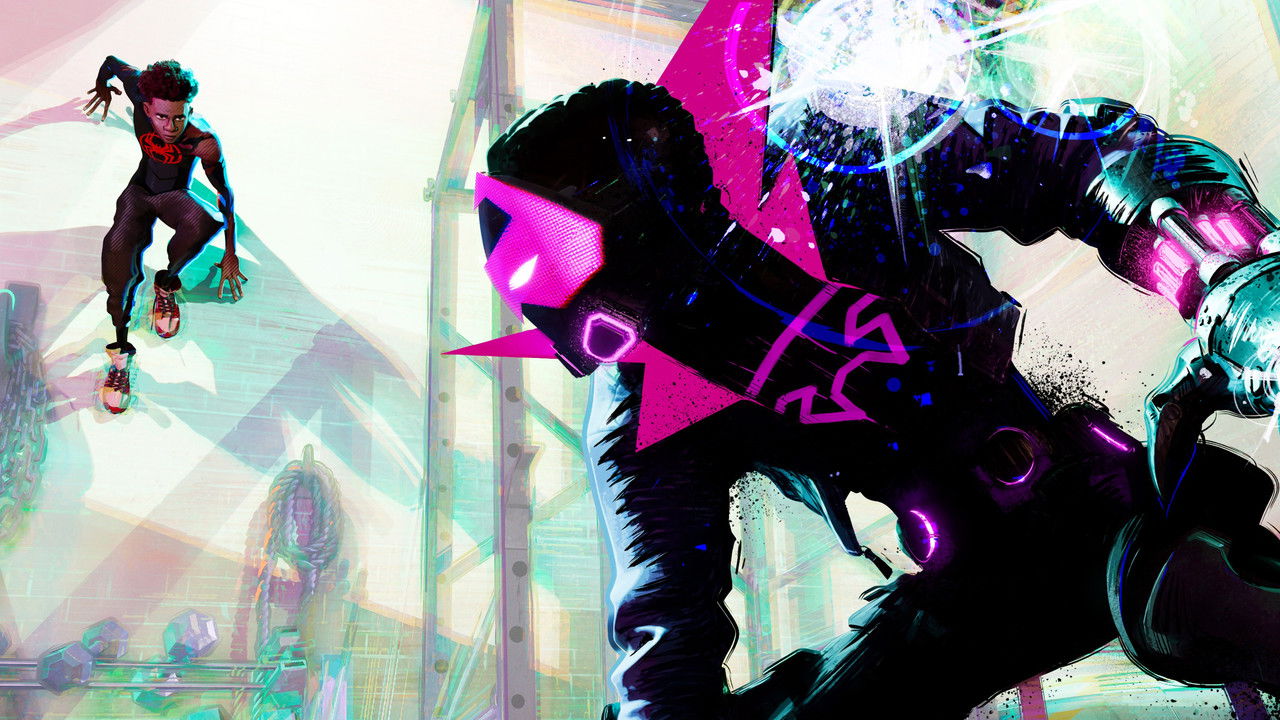
The most interesting thing about the Spider-Verse finale isn't the multiversal threat or the flashy fight scenes—it’s the moral friction. In the previous chapter, we saw Miles Morales realize that the "destiny" every other Spider-Person accepts is actually a tragedy he refuses to let happen. By the time we get to Beyond the Spider-Verse, Miles isn't just a hero; he’s a disruptor.
For parents, this is the meat of the movie. Most superhero stories are about maintaining the status quo. Miles is trying to break it because the status quo is broken. If you have a kid who is starting to question "the way things are," this film provides a perfect sandbox for that conversation. It’s a rare blockbuster that treats a child’s intuition as more valuable than the "wisdom" of a thousand adults. If your family is still catching up on the story beats that led to this fugitive run, check out the Spider-Man: Across the Spider-Verse Parents Guide to see why the stakes are so personal this time.
A Masterclass in Visual Literacy
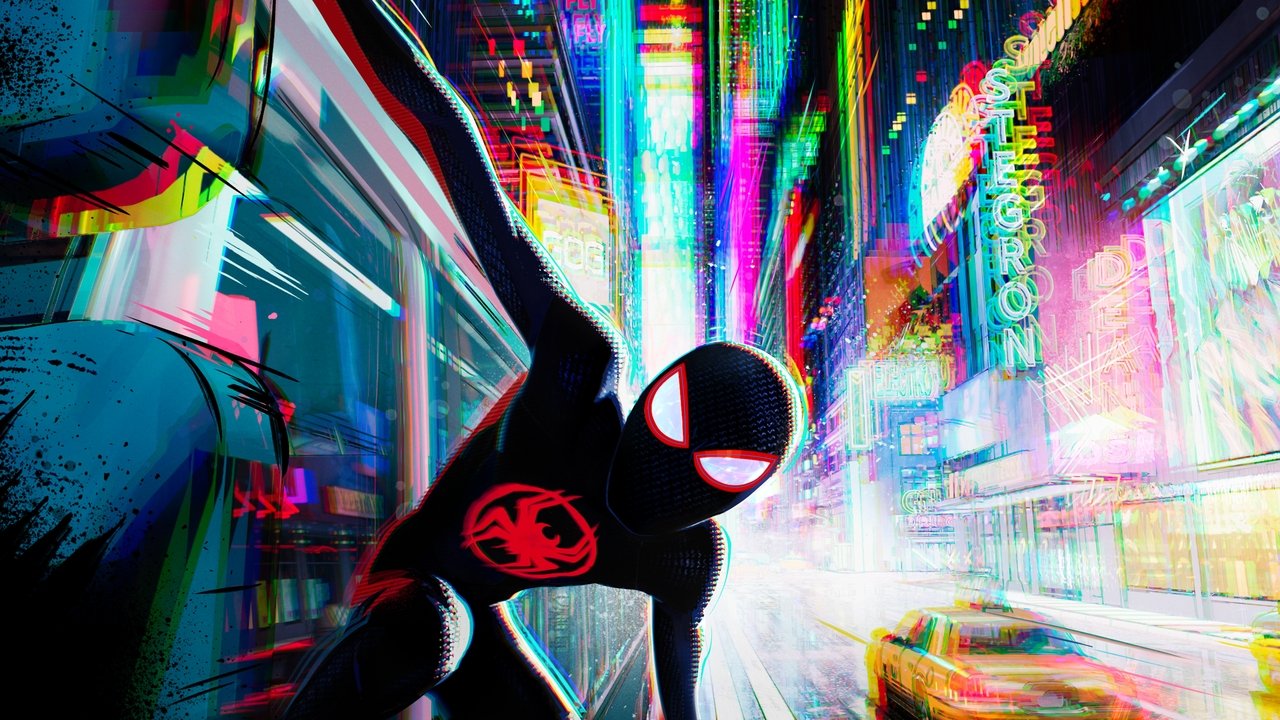
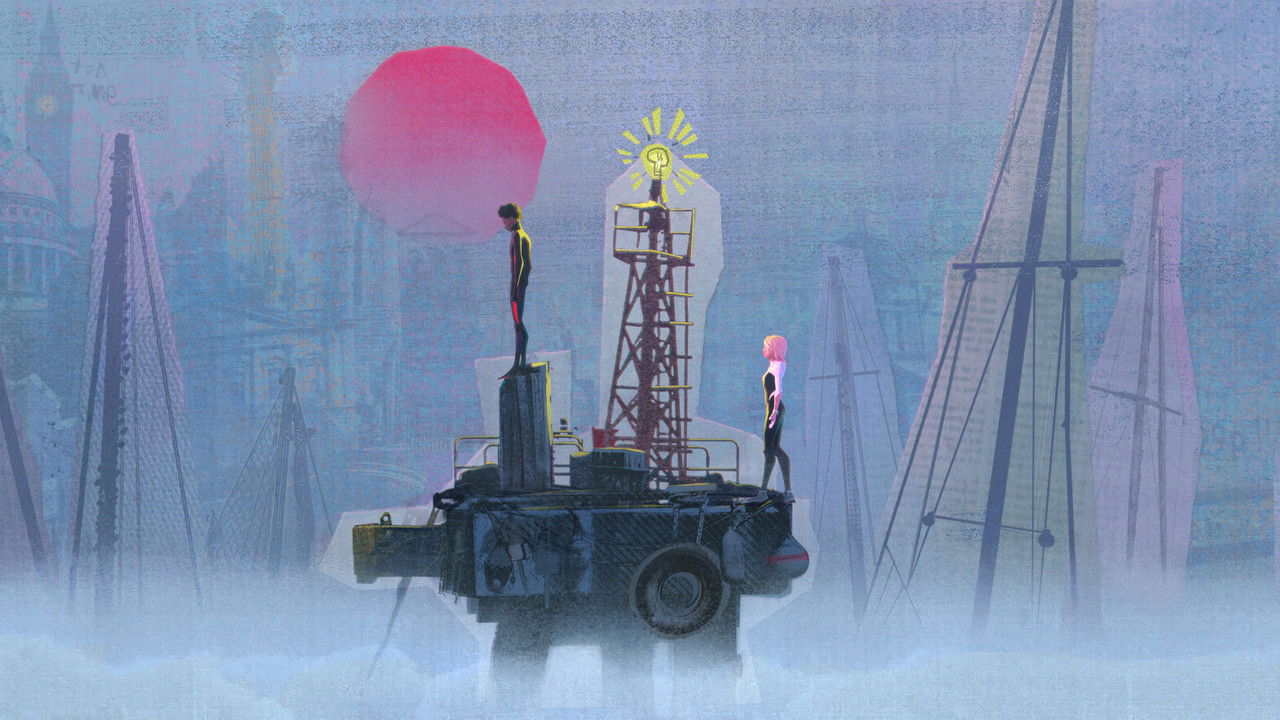
We talk a lot about "screen time," but these films are one of the best arguments for the quality of that time. Every universe Miles visits has a distinct art style—from punk-rock collage to watercolor impressionism. It’s not just eye candy; it’s a way of teaching kids how to read visual cues and emotions through color and texture.
If your kid is the type to start sketching on their iPad the second the credits roll, this movie is fuel for the fire. The way the studio pushes the medium is a massive hook for movies inspiring creativity in young artists. It shows them that animation doesn't have to look like a plastic toy commercial. It can look like a manifesto.
The Gwen Stacy Factor
While Miles is the heart, Gwen Stacy is the backbone of this trilogy. We know from the previous films that her life "imploded" and her relationship with her father is a major source of tension. Hailee Steinfeld brings a grounded, slightly weary energy to the role that resonates with older kids and tweens who are navigating their own complicated social circles.
Gwen’s arc is about the cost of secrecy and the relief of being seen. Since she plays such a central role in Miles's survival here, it’s worth looking at why Miles Morales is the superhero your kid (and you) needed to understand the specific chemistry that makes this duo work. They aren't just sidekicks; they are two kids trying to grow up in a world that wants them to stay in a very specific box.
If Your Kid Liked "Into" and "Across"
If you’ve already sat through the first two movies, you know the drill: high energy, fast-paced dialogue, and a lot of "wait, who is that?" moments. This third entry is expected to be the heaviest in terms of emotional payoff.
- The Cliffhanger Resolution: Be ready for the immediate fallout of the Miles-on-Earth-42 twist. Younger kids might find the "evil" version of Miles confusing or scary, so a quick pre-watch chat about "variants" helps.
- The Chase: The "fugitive" aspect means the pacing will likely be relentless. If your kid gets overstimulated by fast cuts and loud, glitchy visuals, maybe skip the IMAX and wait for a home viewing where you can hit pause.
- The Theme of Loss: The Spider-Verse films don't shy away from the fact that being a hero often involves losing something. It’s handled with more maturity than your average MCU flick, but it’s still a heavy lift for sensitive eight-year-olds.