The "Spore" antidote
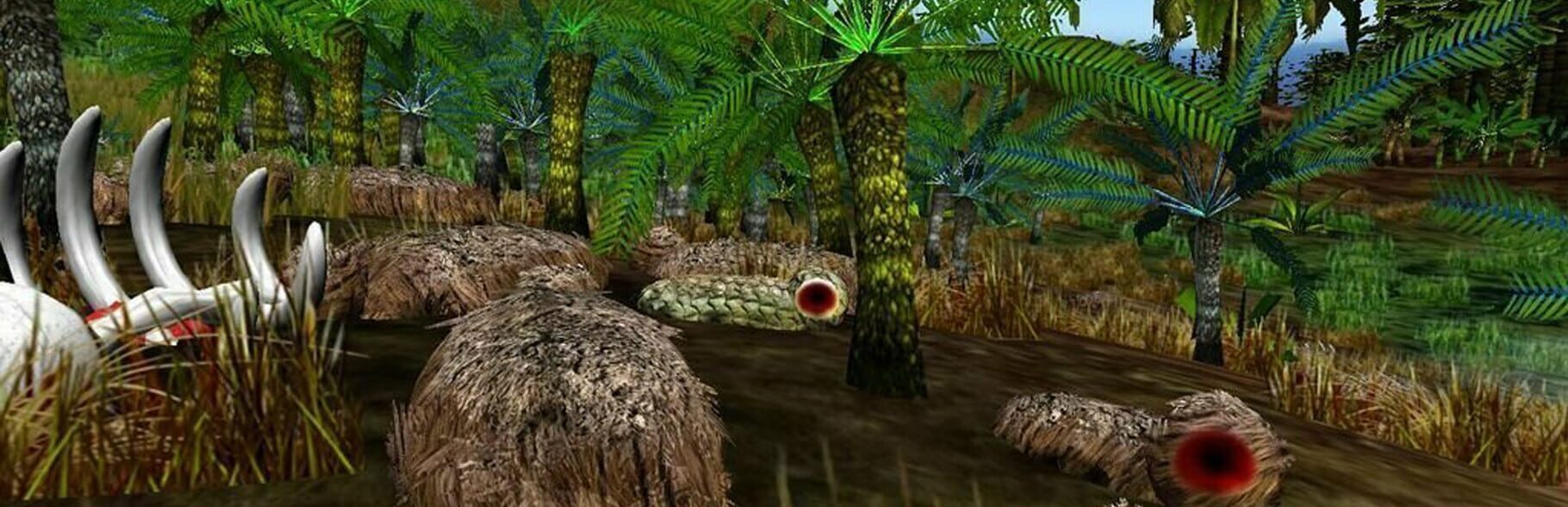
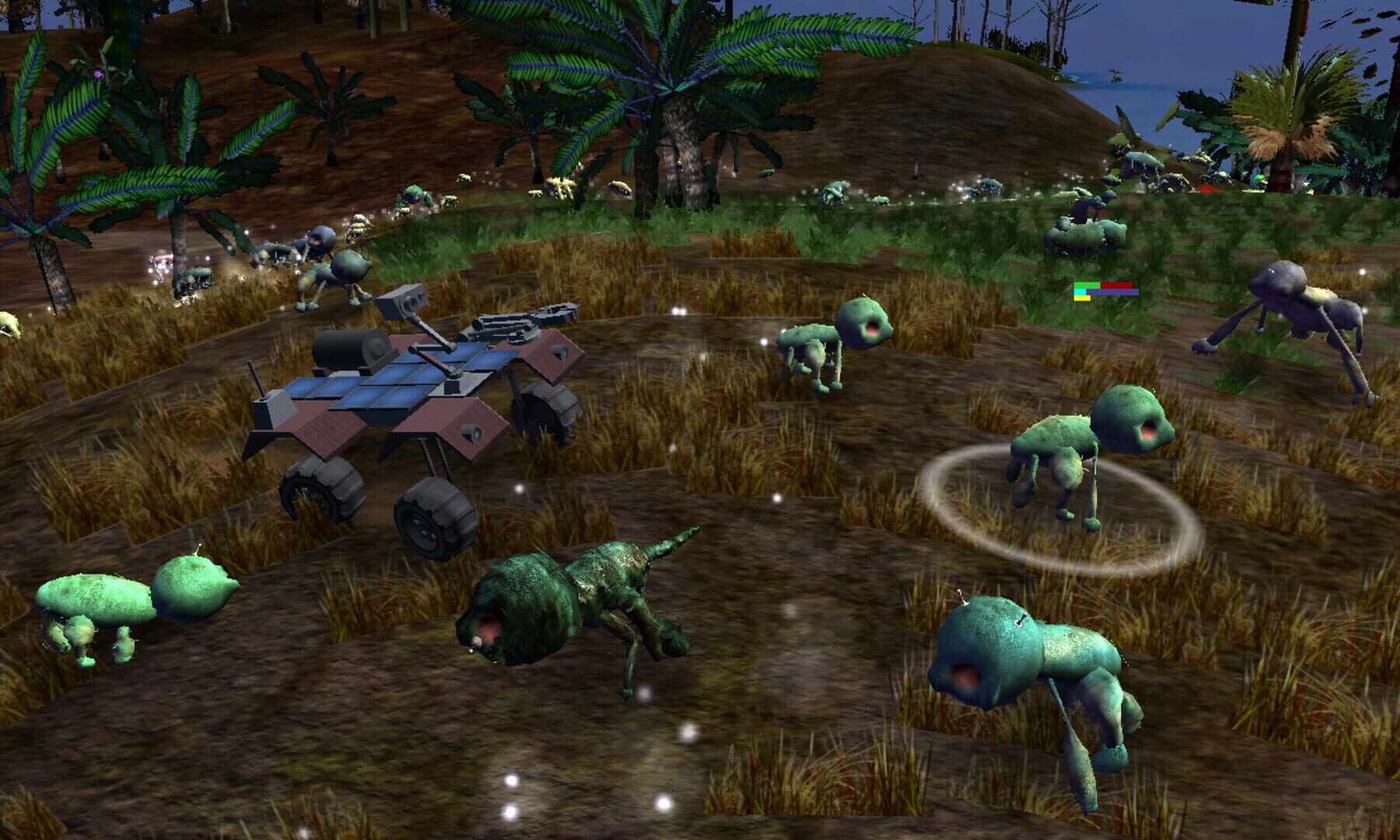
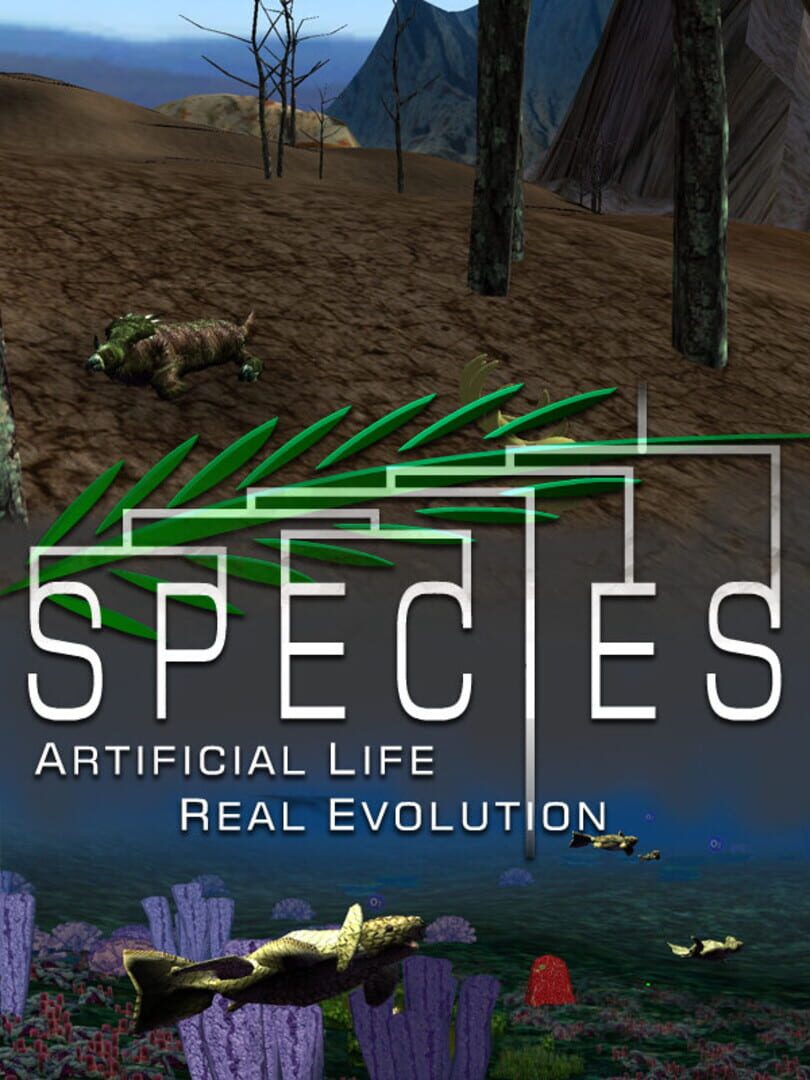
If your kid played Spore and felt cheated by the fact that adding a third eye didn't actually change how the creature functioned, Species: ALRE is the remedy. Most "evolution" games are just dress-up simulators where you pick a cool-looking wing and get a +5 to flying. This game is different because it’s unfeeling.
The simulation doesn't care if your creature is cute. It only cares if the creature can reach its food and survive long enough to pass on its messy, mutated DNA. It’s the digital equivalent of a high-end ant farm where you can also trigger a localized ice age just to see who survives. If they've already exhausted the more approachable titles in the ultimate guide to fun and educational biology games, this is the logical "level up" into serious simulation.
Dealing with the jank
We have to talk about the stability issues. This is a passion project from a tiny developer, and it plays like one. It’s unstable. You will see reviews on Steam and Reddit complaining about crashes, and they aren't exaggerating.
For a certain type of kid—the one who builds complex redstone machines in Minecraft or spends hours in Kerbal Space Program—the technical friction is just part of the tax you pay for a deep simulation. For everyone else, it’s a deal-breaker. If your kid loses thirty minutes of evolutionary progress because the game closed to desktop, they’re going to be livid. Tell them to save often—basically every time a significant mutation sticks.
Real science, real slow
The gameplay loop is meditative, which is a polite way of saying it’s slow. You aren't "playing" so much as you are "tinkering and observing." You might spend an hour tweaking the temperature and vegetation levels just to see if a specific limb mutation becomes dominant.
It’s an incredible tool for understanding things like genetic drift and speciation, but it requires a high level of autonomy. There are no quest markers or NPCs telling you what to do. If your kid needs a narrative hook to stay engaged, they’ll find this boring within twenty minutes. But if they’re the type who watches "What Da Math" or other science-heavy YouTube channels, they’ll appreciate that the game treats them like a researcher rather than a toddler.
The "Climate" alternative
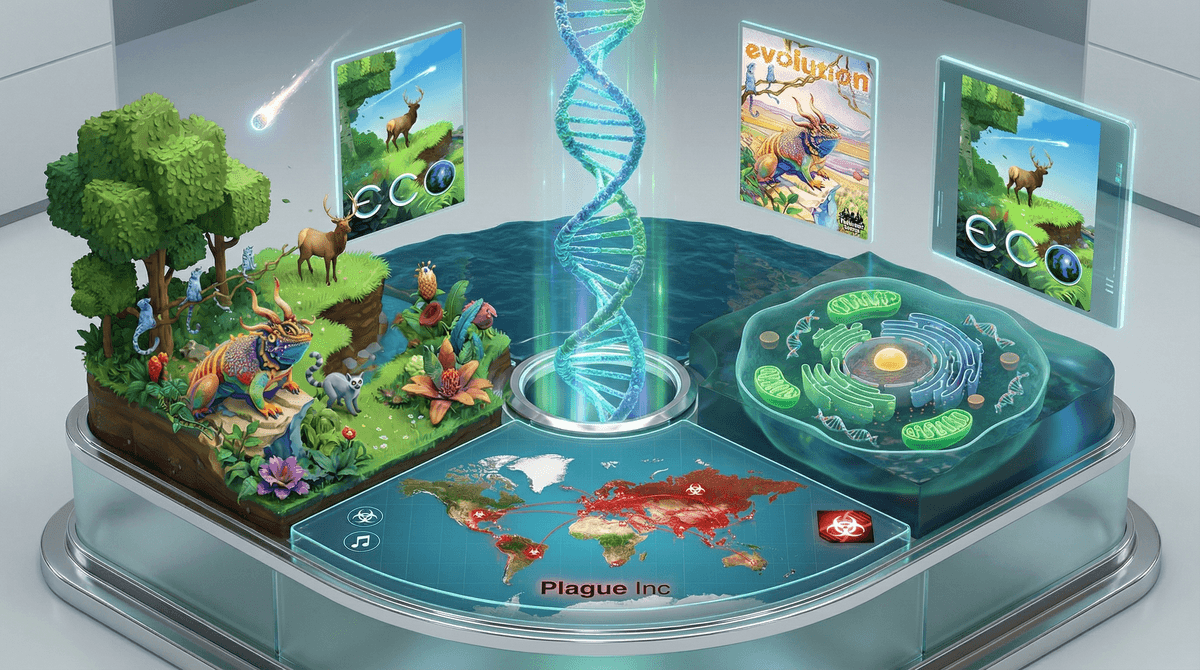
If the technical bugs are too much of a hurdle but the concept of natural selection is still a hit, look into the board game Evolution: Climate. It covers similar ground—adapting to environments and food scarcity—without the risk of a software crash. However, for the kid who wants to see the actual geometry of a creature change over a thousand generations, there is nothing else quite like Species. It’s a flawed, brilliant, frustrating mess of a lab experiment.