The anti-dopamine loop
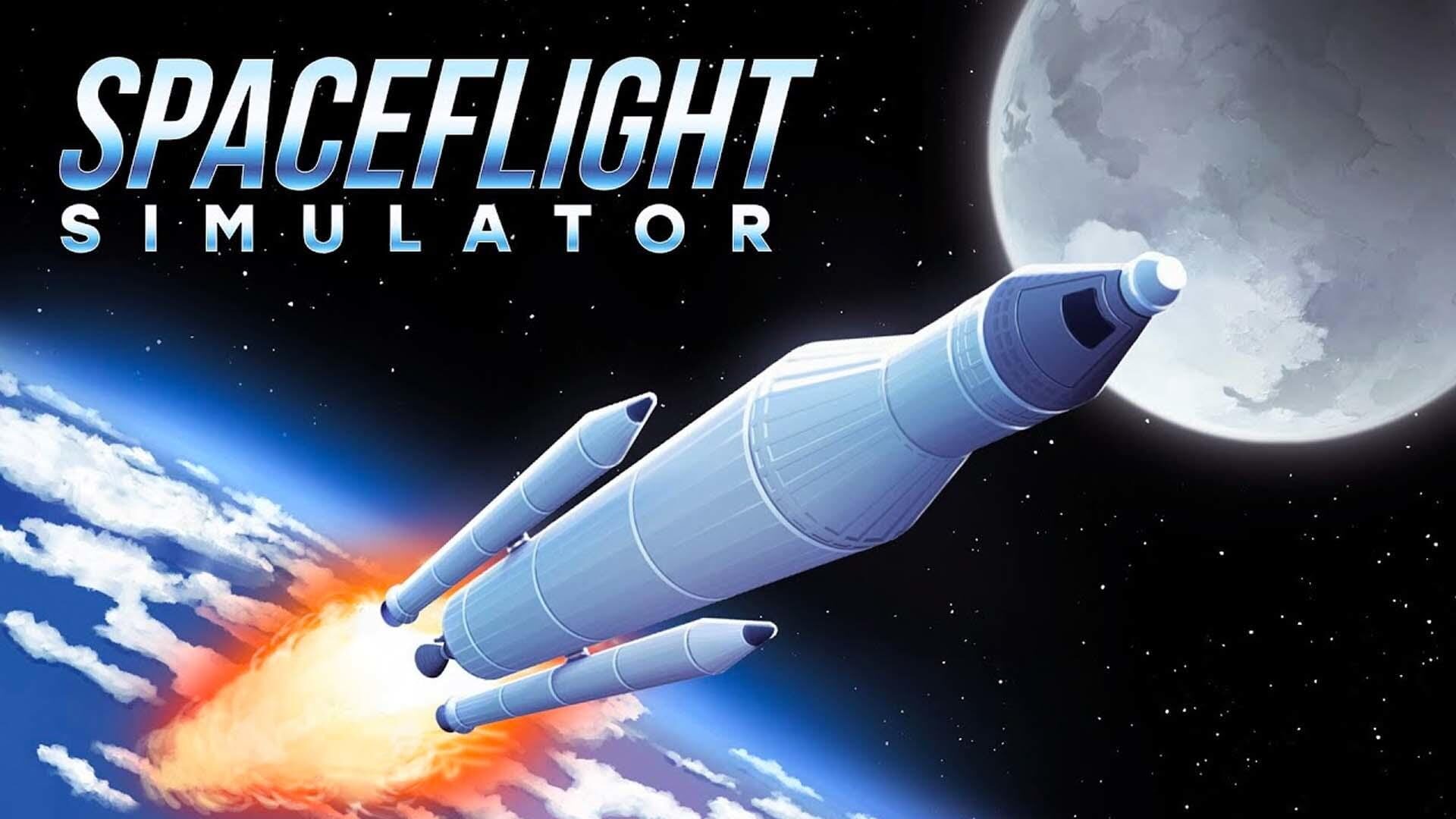
Most mobile games are designed to scream at you. They use flashing lights, daily login rewards, and aggressive notifications to keep your thumb tapping. Spaceflight Simulator does the opposite. It is a quiet, 2D sandbox where the only thing moving is what you built. There is no background music during the flight—just the low hum of engines and the occasional thud of a stage separator.
This silence is actually the game’s biggest strength. It forces a kind of focus that is rare in the "infinite scroll" era. When your kid is trying to align an orbit to dock two tiny pixels in the middle of a black screen, they aren't just playing; they are problem-solving. If they fail, the game doesn't give a "Game Over" screen or ask for five gems to continue. The rocket just falls back to Earth, and they have to figure out if they lacked enough fuel or if their thrust-to-weight ratio was off. It turns failure into a design challenge rather than a punishment.
The Kerbal Lite experience
If you’ve heard of Kerbal Space Program, this is essentially the mobile-friendly version of that experience. It strips away the complex 3D flight controls but keeps the brutal honesty of physics. If your kid has spent years in Minecraft building complex Redstone machines or obsessing over space-exploration-games-that-teach-real-physics, this is their next mountain to climb.
The transition from "I built a tall stick that goes up" to "I am now orbiting the Moon" is a genuine milestone. It requires an understanding of gravity turns and orbital mechanics that most adults don't possess. You’ll know they’ve "gotten" it when they stop trying to fly straight at a planet and start talking about "burning at the apoapsis."
A fair deal in a world of "money pits"
Parents are used to mobile games being a gateway to a drained bank account. We’ve seen how games like Roblox can become a parent’s guide to Roblox Pet Simulator 99 style nightmare of endless microtransactions. Spaceflight Simulator is refreshingly honest about its money.
The base game is free and fully functional. There are no ads interrupting the flight. The "Expansion Parts" are a one-time purchase that unlocks things like Jupiter, better engines, and skins. It’s the kind of monetization we actually want to support: you try the full loop for free, and if you love it, you pay a flat fee to get the "pro" version.
The "I'm stuck" moment
The friction here isn't the controls; it's the math. Your kid will eventually hit a wall where they can’t get a heavy payload into space. They will likely come to you frustrated because their rocket keeps flipping over.
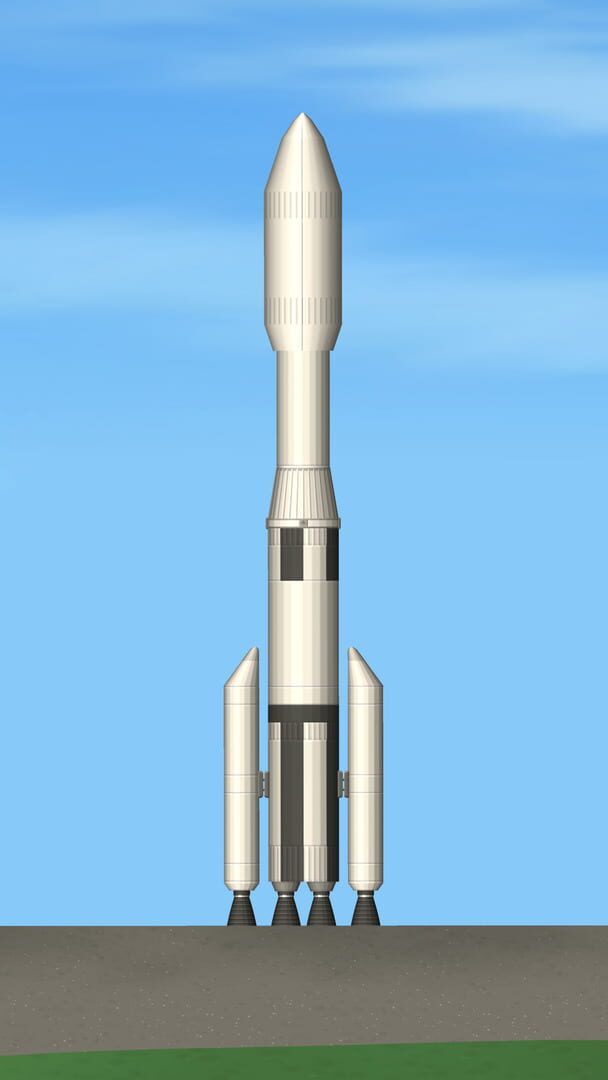
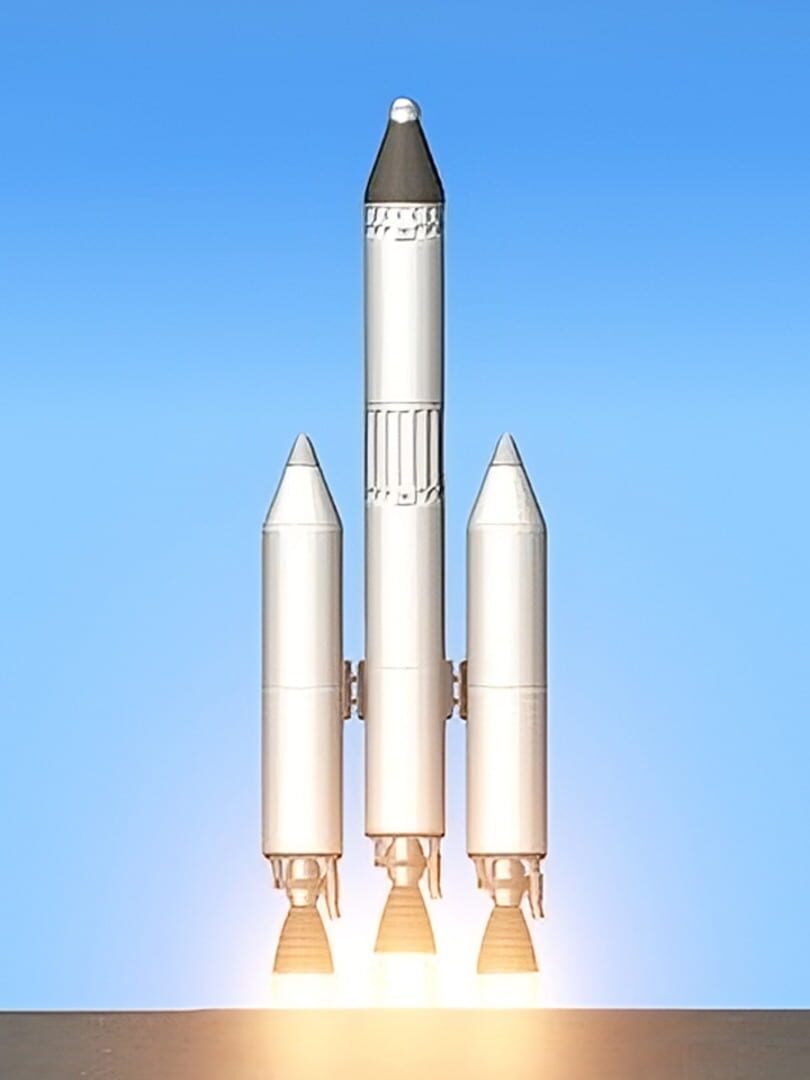
Instead of looking for a "cheat," suggest they look at the center of mass. The game provides visual cues for where the weight is. This is a great moment to talk about why real rockets are shaped the way they are. It’s also worth noting that the community on YouTube is massive. There are thousands of tutorials for building specific historical rockets like the Saturn V. If they get bored with the sandbox, challenge them to recreate a real-life mission. It turns a simple game into a history and engineering project.