South Pacific

South Pacific

show

TV-G, 2009

WISE
91%

WISE Score

8.7

IMDb

BBC's stunning Pacific islands nature doc—basically Planet Earth but with more coral reefs and Benedict Cumberbatch telling you about them.

IMDb8.7
Common Sense Media
Where to Watch
Loading streaming options...
Screenwise Verdict

This is what nature documentaries should be: visually stunning, scientifically rigorous, and genuinely captivating across age groups. The BBC Natural History Unit doesn't miss, and South Pacific is no exception.

Yes, it's from 2009, but unlike most media from that era, it doesn't feel dated—nature is timeless, and HD cinematography holds up beautifully. The 8.7 IMDb rating isn't inflated; this is legitimately excellent television.

The educational value is off the charts without being preachy. Kids learn about ecosystems, climate, indigenous cultures, and conservation while watching gorgeous footage of manta rays and coral reefs. Parents can feel good about screen time that's actually enriching.

The only 'downside' is that nature documentaries include predation—but it's presented matter-of-factly, not sensationalized. If your kid can handle The Lion King, they can handle this.

Bottom line: This is premium family viewing that makes everyone smarter and more curious about the natural world. Highly recommended.

Age Fit

Appropriate from preschool through adult. Toddlers will enjoy the visuals and animal footage, elementary-aged kids will grasp the ecological concepts, and teens/adults will appreciate the cinematography and conservation themes. This is genuine all-ages content.

WISE Breakdown
Wholesome
95

BBC Natural History Unit documentary presenting the Pacific islands ecosystem with reverence and wonder. Benedict Cumberbatch's narration maintains an educational, respectful tone. Nature documentaries inherently model cooperation (symbiotic relationships, ecosystems) and present life cycles without sensationalism. Pacing is measured and contemplative, perfect for family viewing.

Imaginative
88

Showcases extraordinarily diverse ecosystems across remote Pacific locations—coral atolls, volcanic islands, deep ocean trenches. Filmed over 18 months in high-definition, capturing phenomena most viewers will never witness firsthand. Invites curiosity about marine biology, geology, indigenous cultures, and conservation. Behind-the-scenes featurettes show the creative problem-solving required for wildlife cinematography. Strong 8.7 IMDb rating suggests it captivates audiences.

Safe
92

Nature documentaries include predation and natural death (animals hunting, life cycles), but BBC presents these as educational rather than gratuitous. Common Sense Media rates it for age 2+, indicating minimal concerning content. No human violence, sexuality, or inappropriate language. The only 'unsafe' element is natural predator-prey dynamics, which are age-appropriate and contextually educational. Kids mode available on platforms.

Enriching
94

Exceptional educational value: teaches marine biology, ecology, geography, climate science, and cultural anthropology of Pacific island nations. Builds environmental awareness and empathy for conservation. High production values (18-month shoot, HD cinematography) make learning genuinely entertaining. Behind-the-scenes segments teach filmmaking and scientific methodology. Strong ratings (8.7 IMDb, 3.7 Letterboxd) confirm it delivers meaningful, memorable content.

Parent Info
✓

Why It Might Be Great

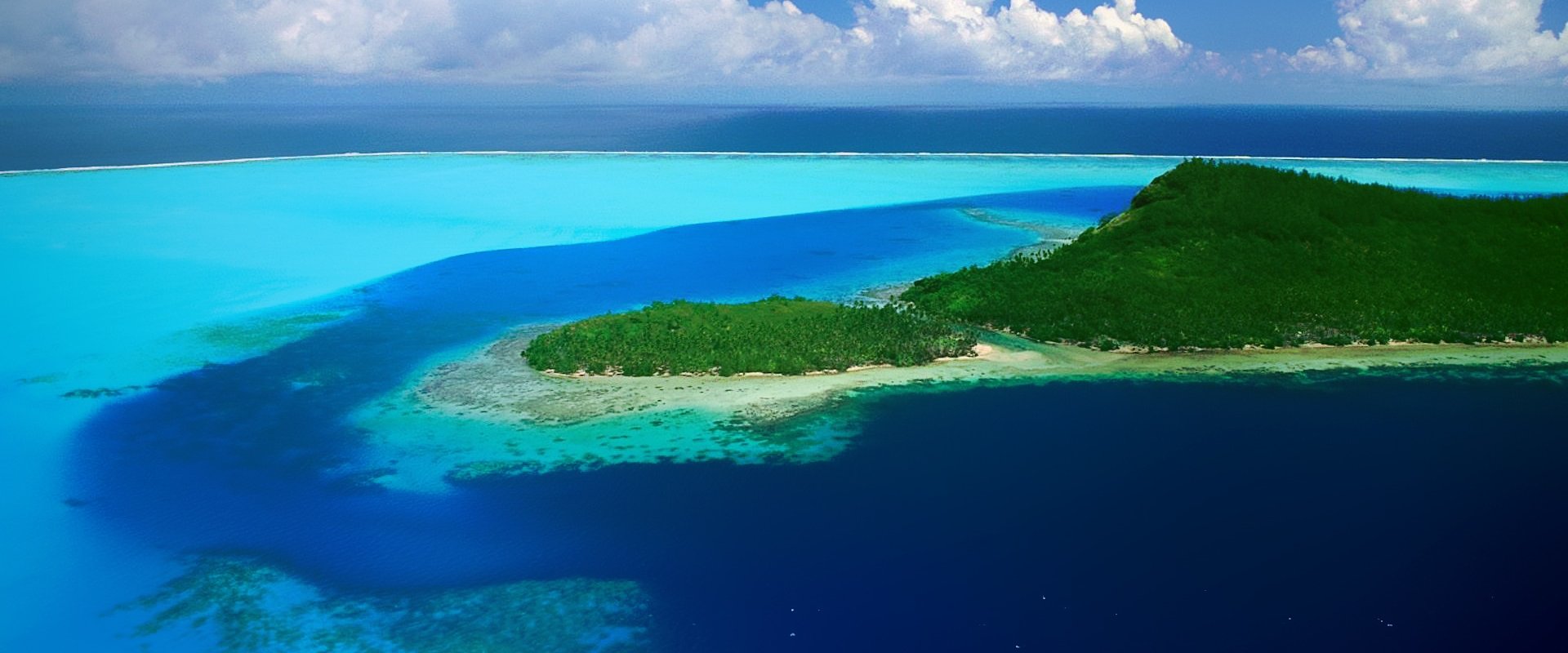
  • Gorgeous high-definition cinematography that still holds up 15+ years later—these remote Pacific locations are genuinely breathtaking
  • Teaches real science (marine biology, ecology, climate) without feeling like homework; kids absorb knowledge while being entertained
  • Benedict Cumberbatch's narration is engaging without being condescending (or you can watch the US version with Mike Rowe if that's your vibe)
  • Behind-the-scenes featurettes show how wildlife filmmaking actually works, which is fascinating for curious kids
  • Perfect family co-viewing: toddlers watch pretty fish, older kids learn about ecosystems, adults appreciate the cinematography and conservation messaging
⚠

What to Watch For

  • Nature documentaries show predation and death—sharks eating fish, birds catching prey—presented educationally but might upset very sensitive kids
  • Some younger viewers might find 50-minute episodes long; the pacing is contemplative rather than frenetic (which is actually a feature, not a bug)
  • A few segments touch on climate change and environmental threats, which could prompt bigger conversations

Conversation Starters

  • "Which island ecosystem looked coolest to you? Would you rather explore a coral reef or a volcanic island?"
  • "How do you think they got those underwater shots? What would it be like to film sharks or whales?"
  • "Why do you think so many unique animals live on islands? What happens when their habitat changes?"
  • "If you could protect one part of the ocean, which would you choose and why?"

Ask Anything

Get a personalized guide on any topic