Slaughterhouse-Five isn't just a book your teen reads because it’s on the syllabus. It is a total vibe shift. While the Amazon rating sits at a solid 4.4, that number doesn't quite capture how much this book messes with your sense of reality. If your kid is used to linear stories where a hero goes on a journey and learns a lesson, Vonnegut is going to blow their hair back.
The sci-fi of trauma
The most important thing to understand before handing this over is that the aliens and time travel aren't just "flavor." They are a literal representation of PTSD. Billy Pilgrim is "unstuck in time" because he can't stop re-living the worst moments of his life, specifically the firebombing of Dresden.
If your teen is into stories that play with structure—think movies like Inception or Memento—they will appreciate how Vonnegut uses the Tralfamadorians to talk about fate. These aliens see all of time at once, like a mountain range. To them, a person is always alive in some moments and always dead in others. It’s a comforting, weird, and deeply fatalistic way of looking at the world that usually hits home with 16-year-olds starting to realize they can't control everything.
Navigating the "friction" points
There are two specific things that usually trigger a "should they read this?" conversation. First is the violence. It isn't "action movie" violence. It is grim and often pathetic. People die from exhaustion, from being kicked by a horse, or from being turned into "charcoal logs" in a basement. It’s meant to be upsetting because Vonnegut wants to strip away any idea that war is glorious.
The second is the "pornography" subplot. Billy is kidnapped by aliens and put in a zoo with a film star named Montana Wildhack. There are descriptions of her body and the films she was in. It’s not there to be titillating; it’s there to show how surreal and dehumanizing Billy’s life has become. If you want a deeper breakdown of how to talk about these mature content and mind-bending anti-war themes, we’ve got you covered.
Why it works for the "dark humor" kid
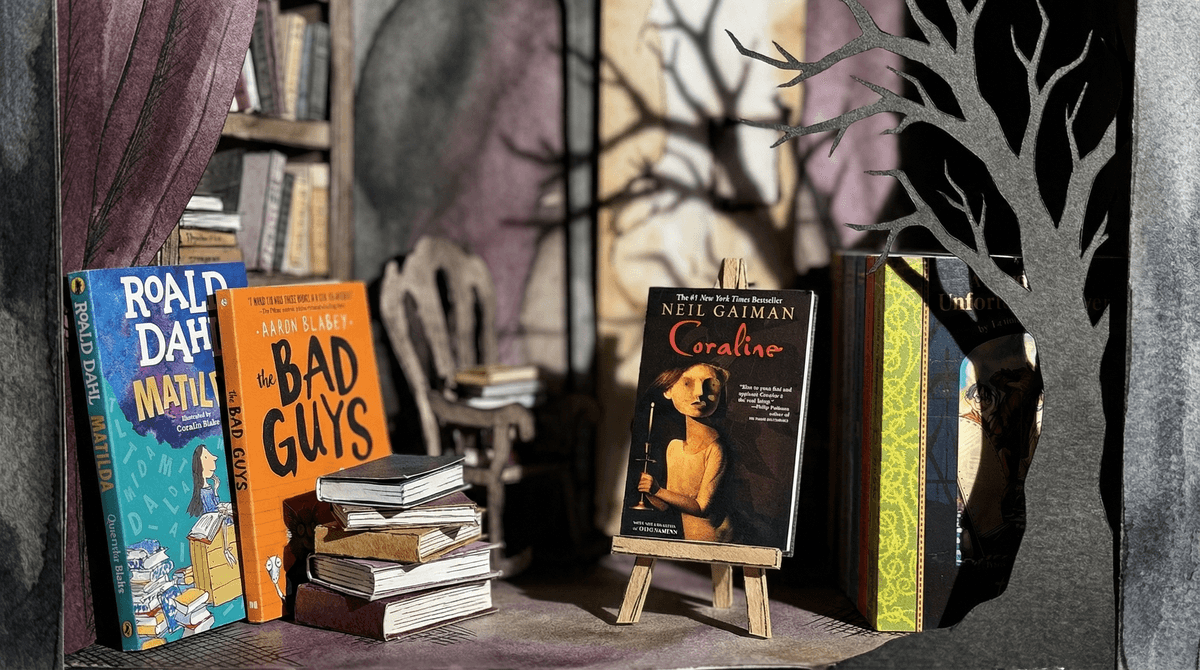
If your kid grew up on the dark humor in literature found in Lemony Snicket or Roald Dahl, they are the target audience here. Vonnegut uses a "bitter sense of humor" to keep the reader from drowning in the tragedy. The phrase "So it goes" appears every time someone (or something) dies. It’s a verbal shrug that becomes a powerful, recurring gut-punch.
This book is a perfect "bridge" for a teen who feels they’ve outgrown YA but isn't quite ready for dry, 500-page historical tomes. It’s short, punchy, and feels modern despite being decades old. Just be ready for them to come to the dinner table with some very big, very uncomfortable questions about whether free will actually exists. According to the Tralfamadorians, it doesn't. According to Vonnegut, we have to try anyway.