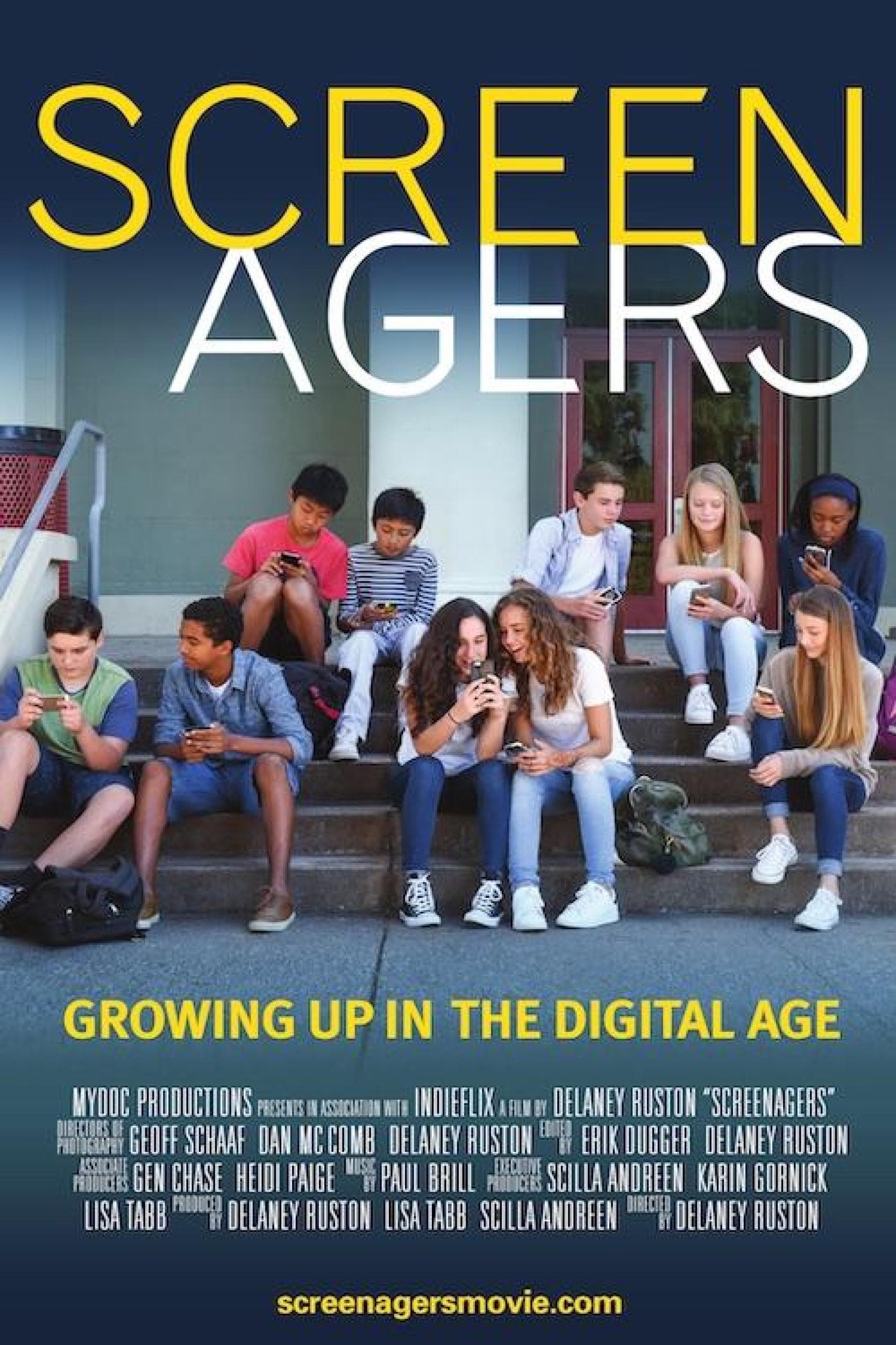
Screenagers is the cinematic equivalent of finding a "How to Use the Internet" book from the nineties in your attic. It’s well-meaning, but the velocity of tech has left it in the dust. In 2026, the biggest hurdle isn't the content itself; it’s the fact that your kid will spend the first twenty minutes making fun of the laptops and the ancient iPhone models.
The Credibility Gap
The core problem with watching Screenagers today is that it predates the algorithmic explosion. When this was filmed, we were worried about Facebook status updates and basic video game loops. We hadn't yet met the hyper-personalized feeds and generative AI tools that define the current era. To a modern middle schooler, the struggles depicted here look like "easy mode."
If you’re going to sit through this, you have to lean into the history. Treat it as a "How did we get here?" piece rather than a "This is your life" piece. If you try to tell a teen that their current habits are exactly like the ones in the film, they’ll tune you out because the stakes feel so much higher now.
Why Kids Actually Hate It
The Letterboxd and IMDb scores tell a clear story: students who are forced to watch this in school often loathe it. It’s not just the dated tech; it’s the tone. The film often positions the smartphone as a foreign invader rather than an integrated limb. It feels like a lecture from a doctor, which is exactly what it is.
If you want to avoid the "torture" mentioned in some reviews, don't use the film as a weapon. Instead of saying "See? This is why we need rules," try asking why the kids in the movie seem so much more disconnected than kids today. You might find that documentaries that actually get your kids talking work better when they don't feel like a mandatory assembly in a dark gym.
The Brain Science Still Hits
The one part that hasn't spoiled is the look at dopamine. The doctor who directed the film does a decent job of explaining why a brain in development is uniquely vulnerable to the "ping" of a notification. Even if the apps have changed, the biology hasn't.
This is the best angle for a conversation. Don't focus on the specific game or the specific social media platform. Focus on the mechanics of the urge to check the phone. It’s the one area where the film still feels like it was made this morning.
The 47-Minute Strategy
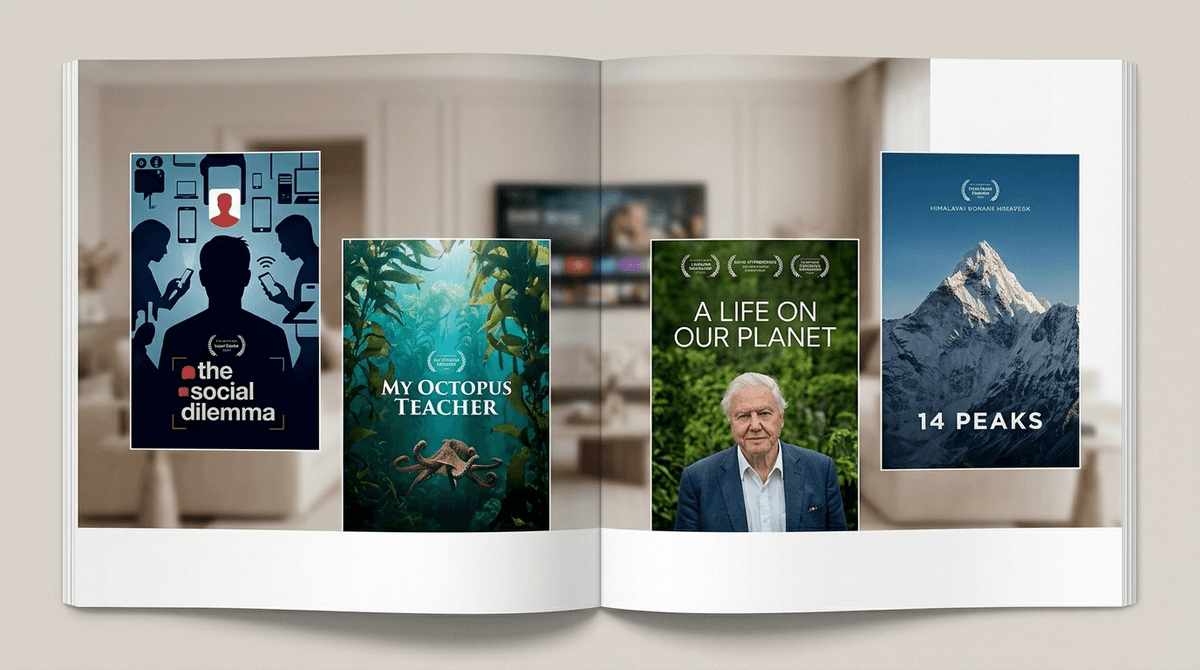
Since it’s a relatively short watch, it’s a low-risk commitment for a rainy Sunday. But if you're looking for a deep look into the modern landscape of the attention economy, this isn't it. It’s a starter kit. Use it to establish a baseline vocabulary for digital wellness, then quickly move on to something that actually reflects the world your kids are living in right now.