The Slasher Goes Small Screen
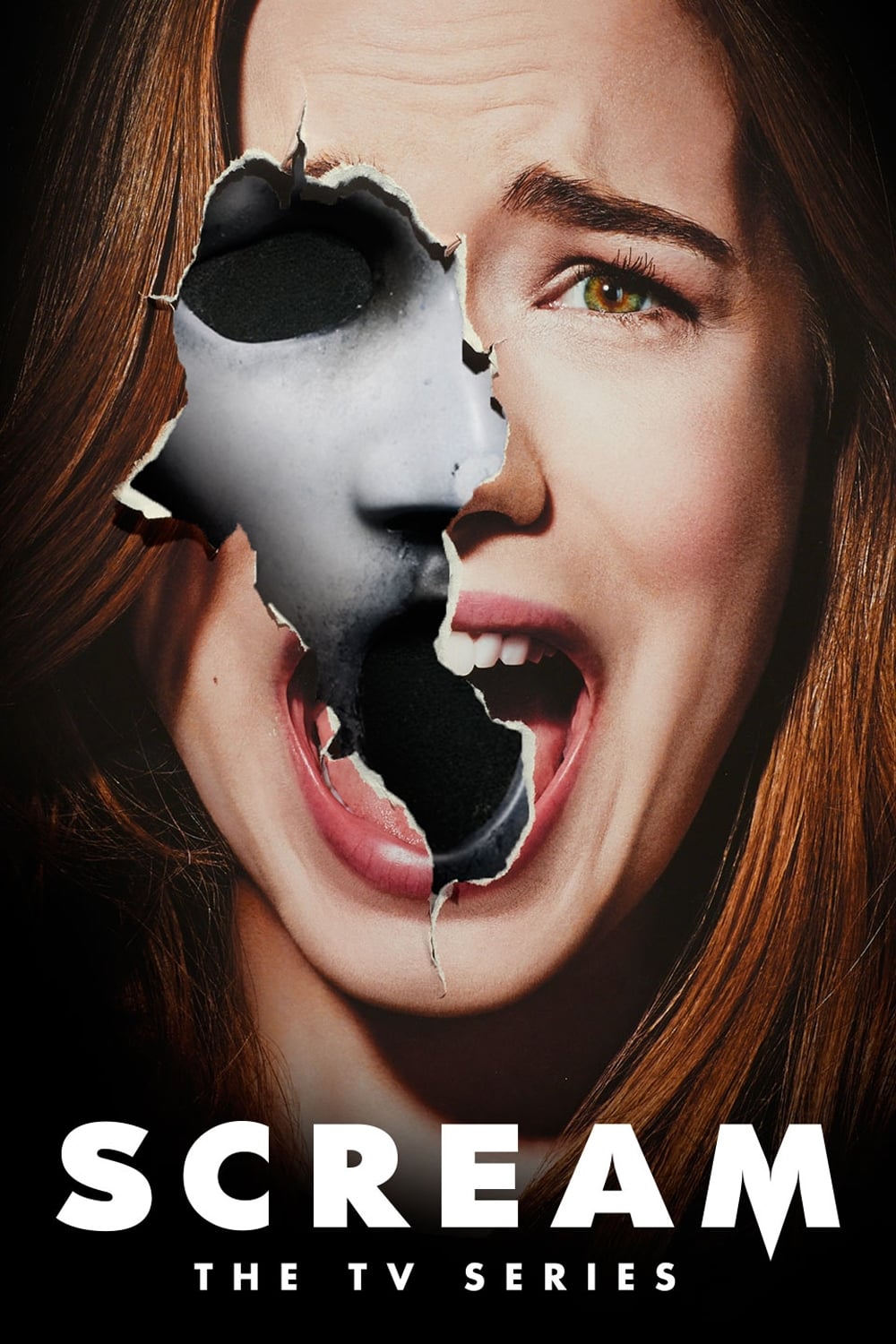
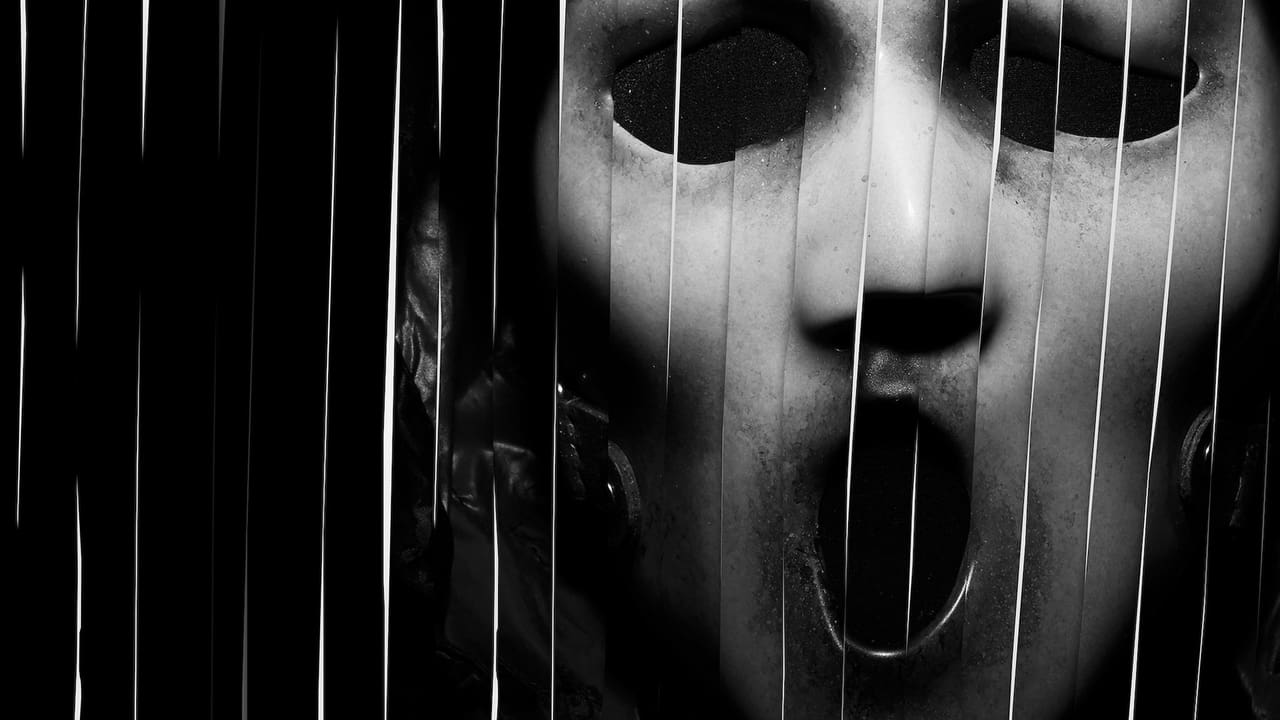
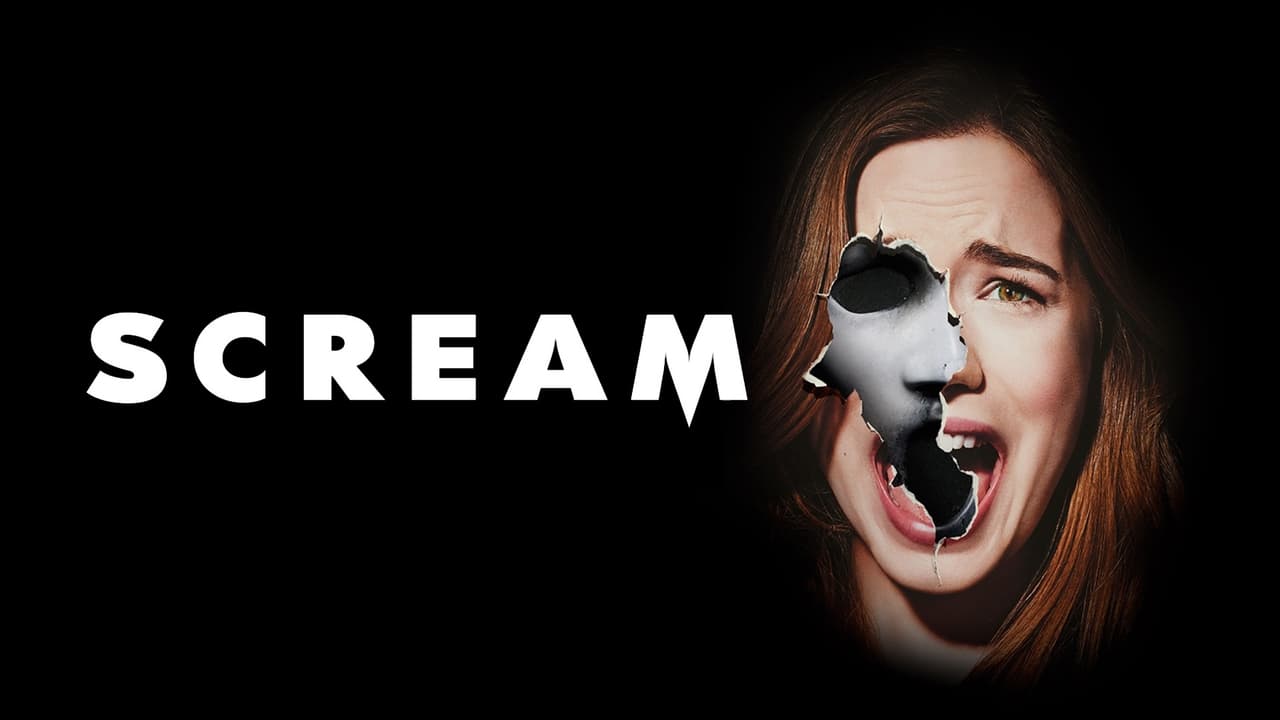
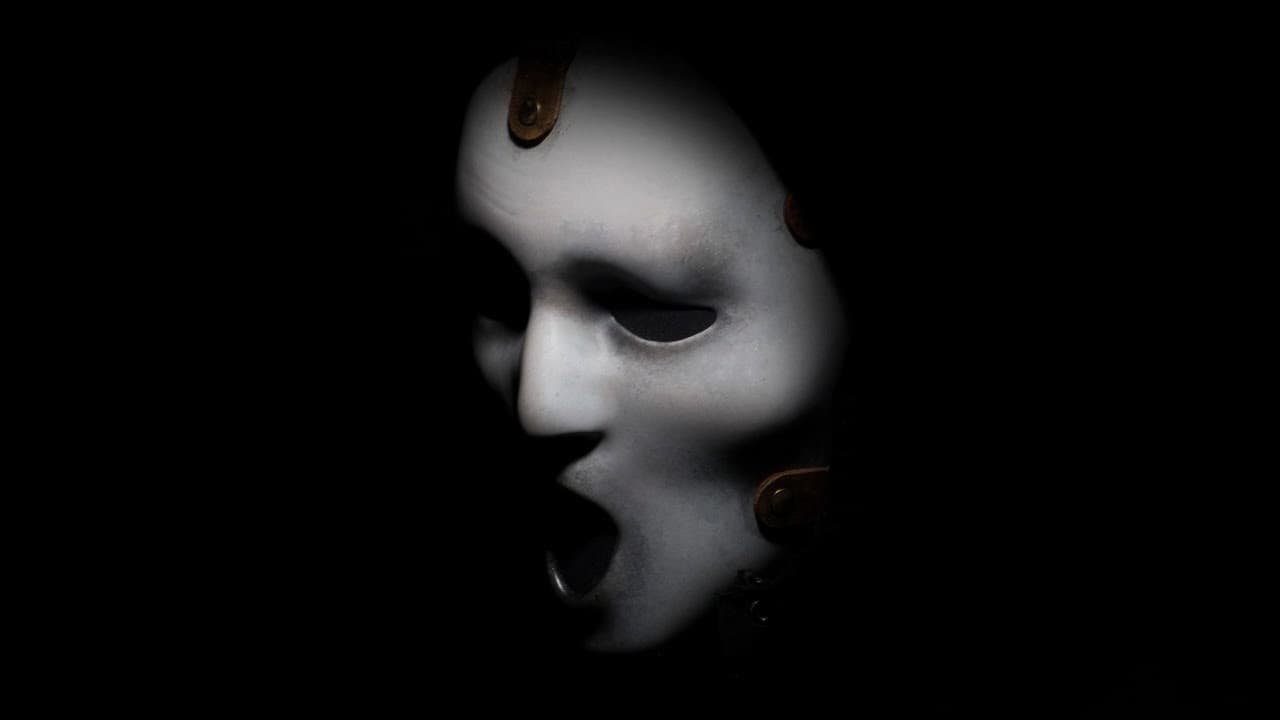
When this show first dropped in 2015, the biggest controversy wasn't the violence—it was the mask. Purists were annoyed that they ditched the iconic Ghostface look for a more 'grounded' Brandon James mask. But if you can get past that, the first two seasons actually do a decent job of building a long-form mystery. Unlike a movie where the body count is condensed into 90 minutes, the show has to make you care about the victims over ten episodes.
It succeeds mostly because it leans into the meta-commentary that made Wes Craven’s original films famous. One of the characters, Noah, essentially acts as the audience's proxy, explaining why a slasher story doesn't usually work on TV while he's trapped in one. It’s clever, if a bit on the nose.
Season 3: The Reboot
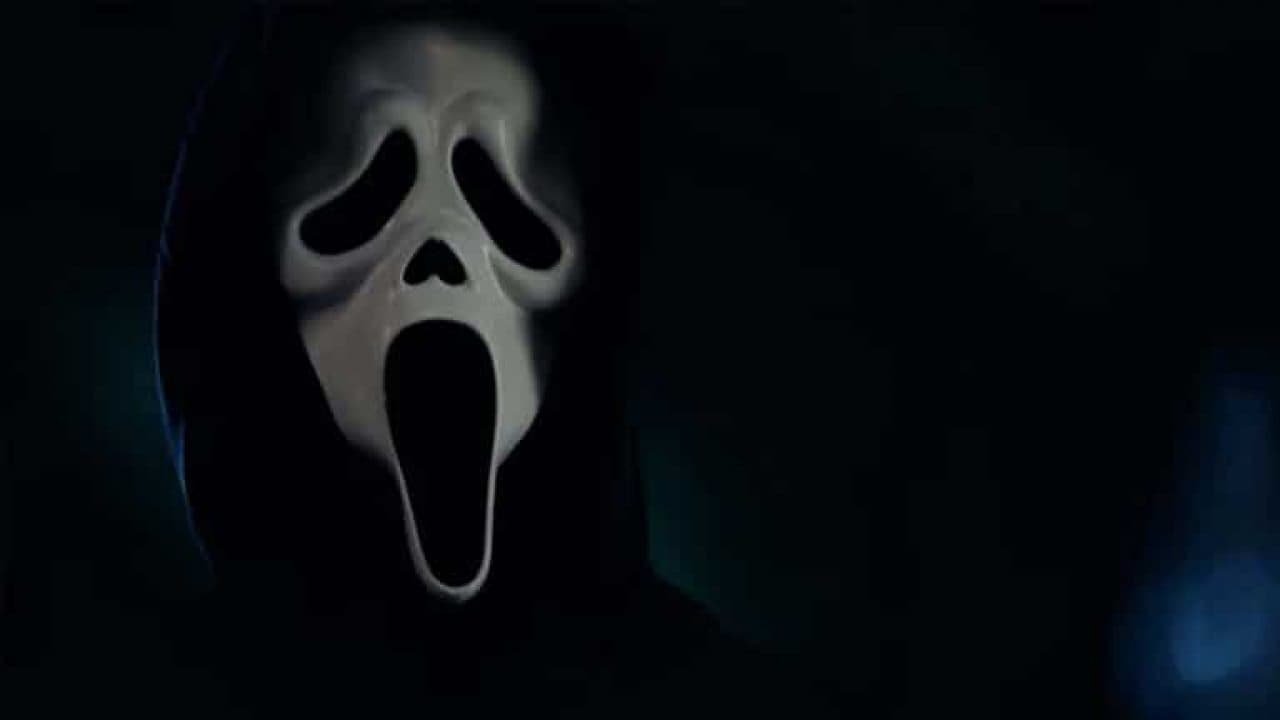
Parents should know that Season 3 (Scream: Resurrection) is a total reboot. It moves the setting to Atlanta, brings back the original Ghostface mask and voice actor (Roger L. Jackson), and features a completely different cast. It’s shorter and faster-paced, but many fans felt it lost the character depth of the first two seasons. If your kid starts getting bored by the Lakewood plot, Season 3 is a standalone option that feels more like a traditional Scream movie.
Digital Safety as a Plot Point
One of the most 'enriching' (if we can call it that) aspects of the show is how it portrays the lack of privacy. The killer doesn't just use a knife; they use webcams, private messages, and leaked videos to dismantle the characters' lives. It’s a brutal but effective look at how vulnerable teenagers are in a connected world. It’s a great 'in' for a conversation about digital footprints, even if that conversation happens over a fictional pile of bodies.