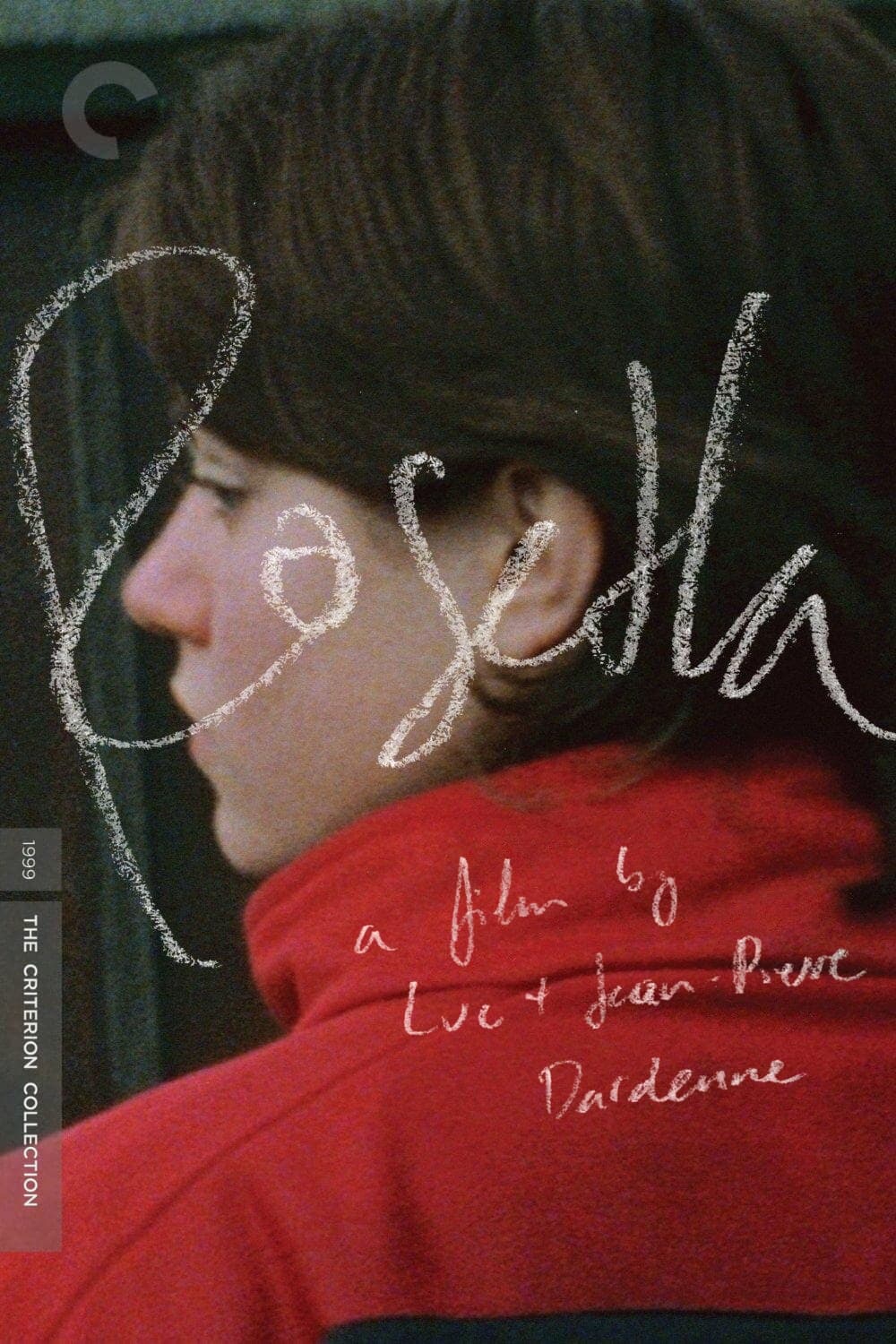
If your kid thinks a bad day is a slow Wi-Fi connection or a forgotten lunch, Rosetta is going to be a massive recalibration.
This isn't a movie you "watch" so much as one you survive alongside the protagonist. It’s a 1999 Belgian film that feels like it was shot yesterday because the desperation it depicts—the sheer, teeth-gritting need for a steady paycheck—is timeless. While critics on Rotten Tomatoes have it sitting at a 90, don't walk into this expecting a polished cinematic experience. This is a movie that lives in the mud, the rain, and the cramped trailers of the working poor.
The Action Movie of Unemployment
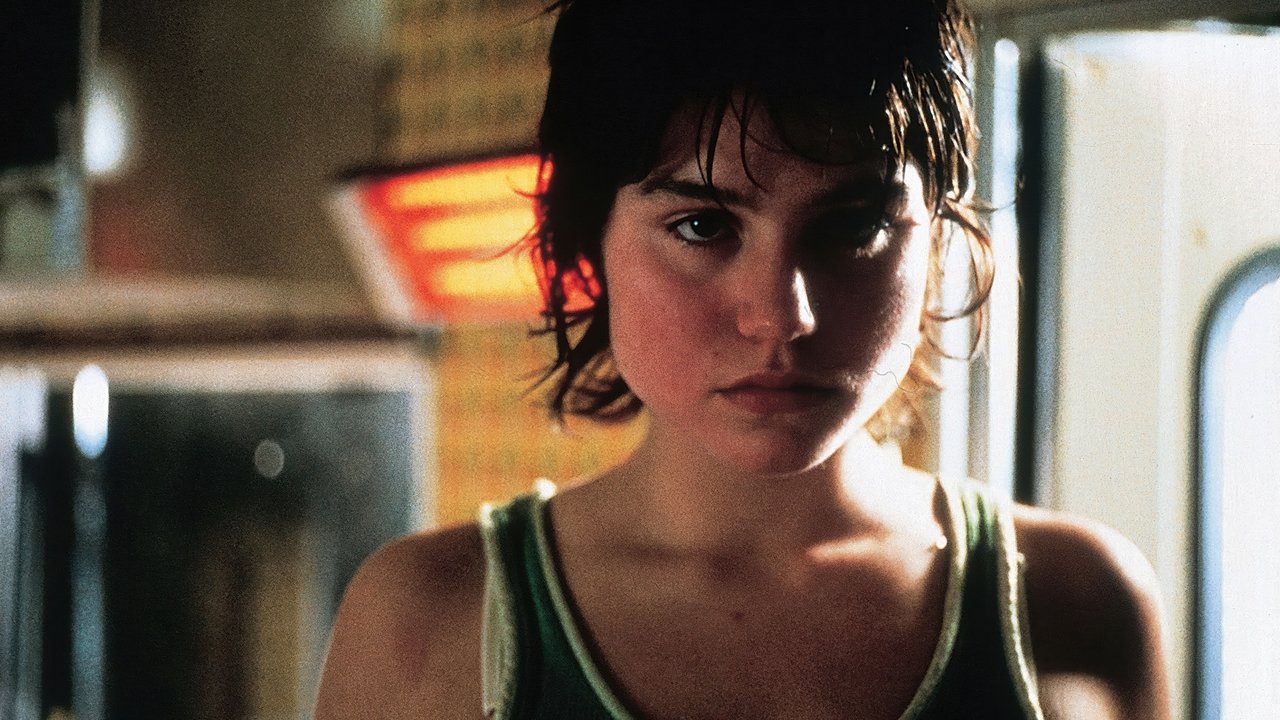
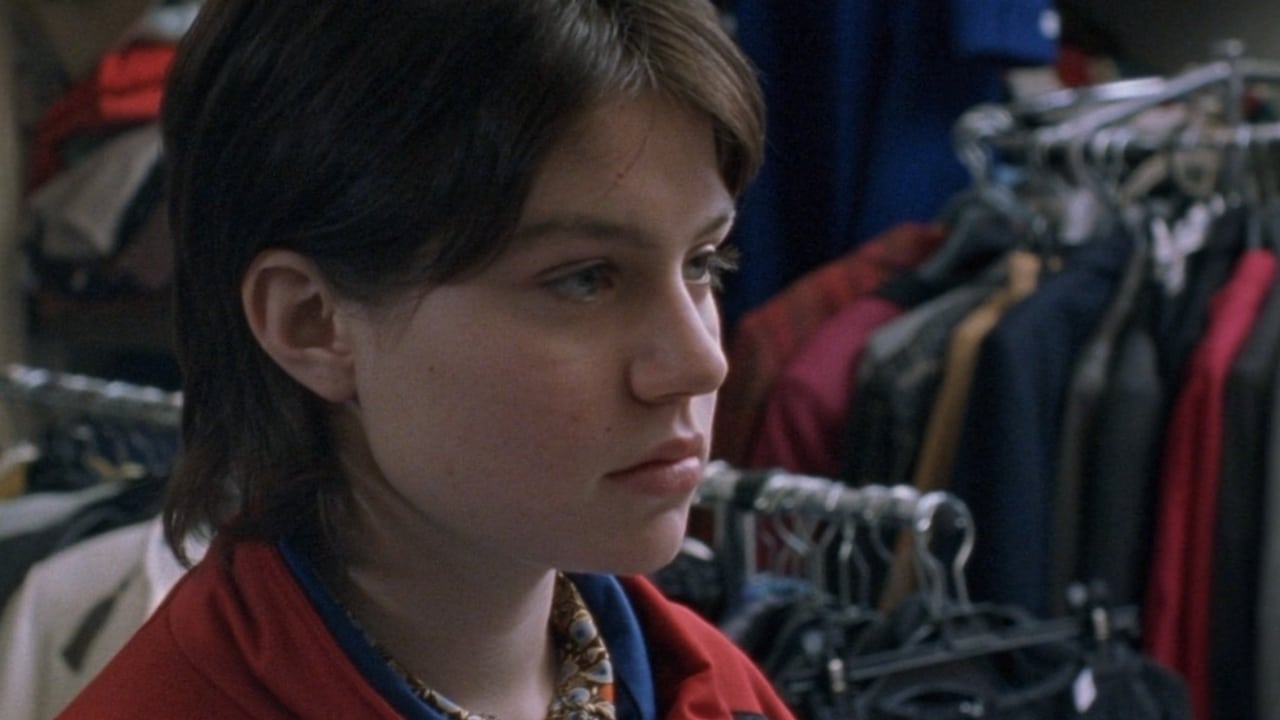
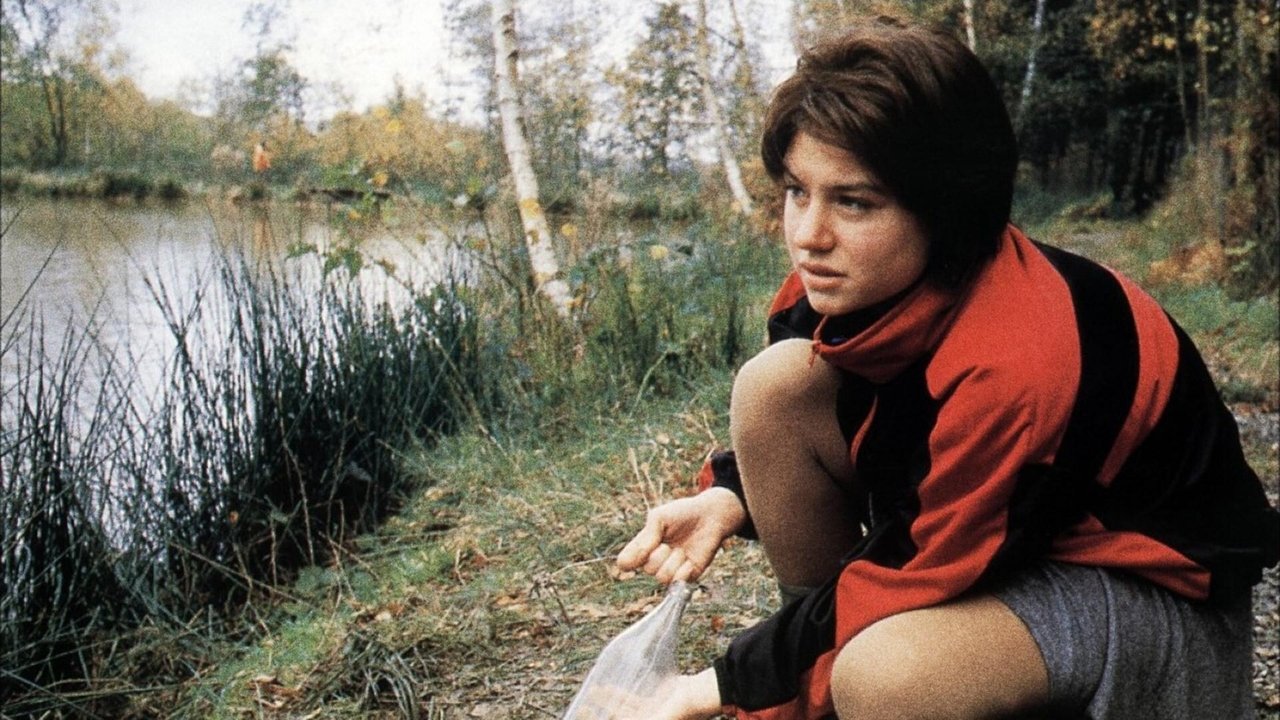
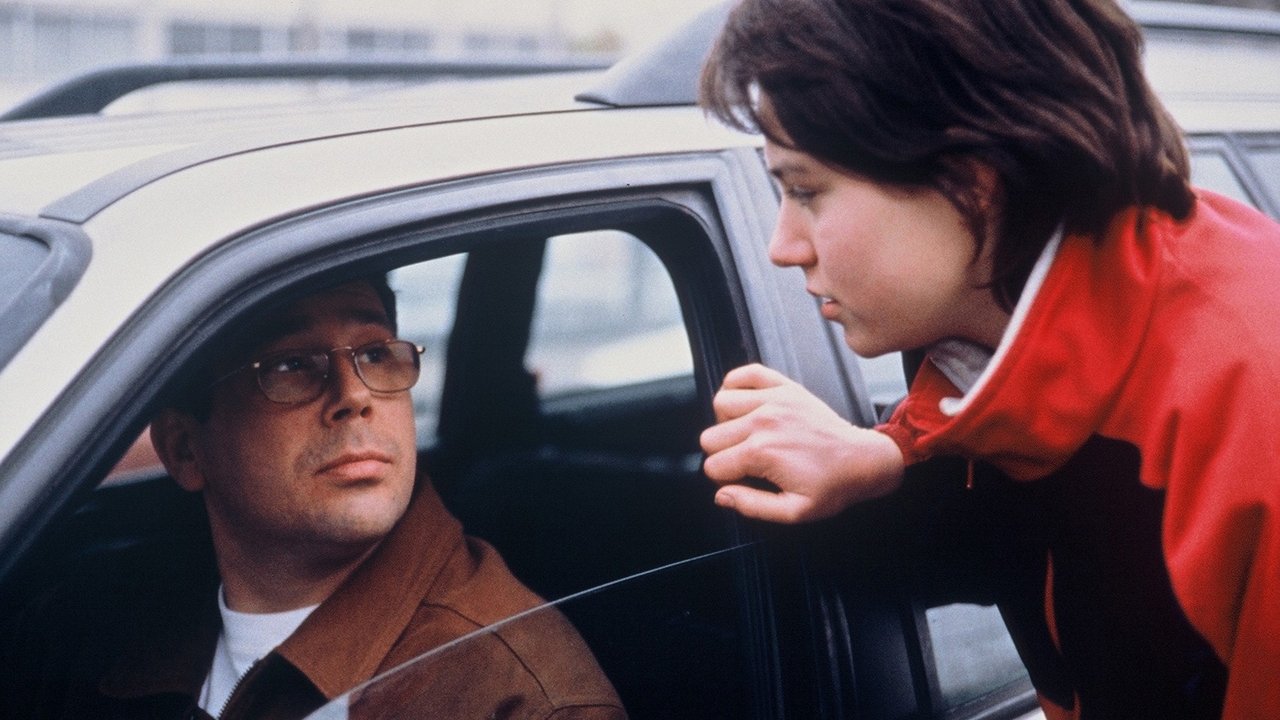
Usually, when we talk about high-stakes cinema, we’re talking about car chases or ticking bombs. In Rosetta, the high-stakes set piece is a girl trying to keep a job at a waffle stand. The filmmakers use a handheld camera style that is famously aggressive. It follows Rosetta so closely that you’re practically wearing her backpack.
This creates a sense of frantic energy. You aren't observing her struggle from a safe distance; you are trapped in it. For a teenager, this can be a revelation. It shows that "drama" doesn't need a villain in a mask. Sometimes the villain is just a landlord or a boss who doesn't need you anymore. If your teen enjoyed the relentless, stressful pacing of something like The Bear, they will recognize the DNA here, even if the setting is a gray Belgian suburb instead of a high-end kitchen.
The Betrayal Factor
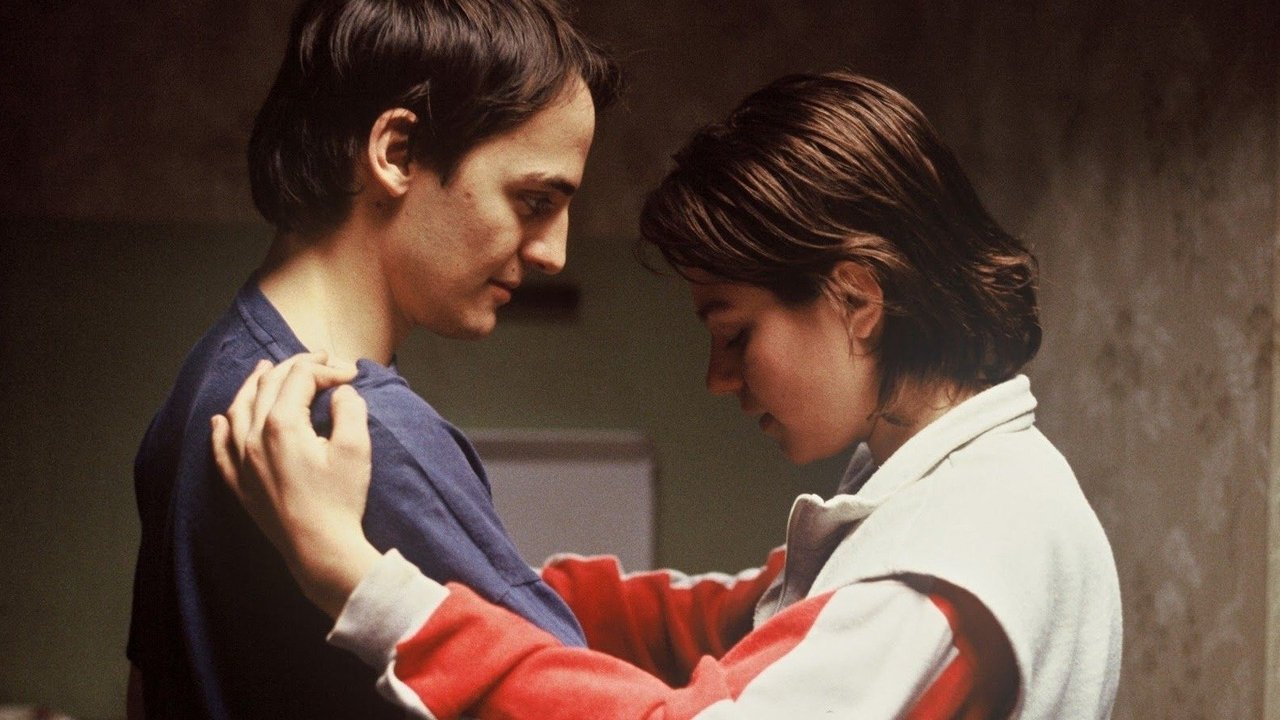
The most difficult part of the movie—and the best part to talk about afterward—is Rosetta’s relationship with Riquet. He’s the only person who shows her genuine kindness, yet Rosetta treats him with a coldness that can be hard to stomach. When she eventually betrays him to secure a job for herself, it’s a gut-punch.
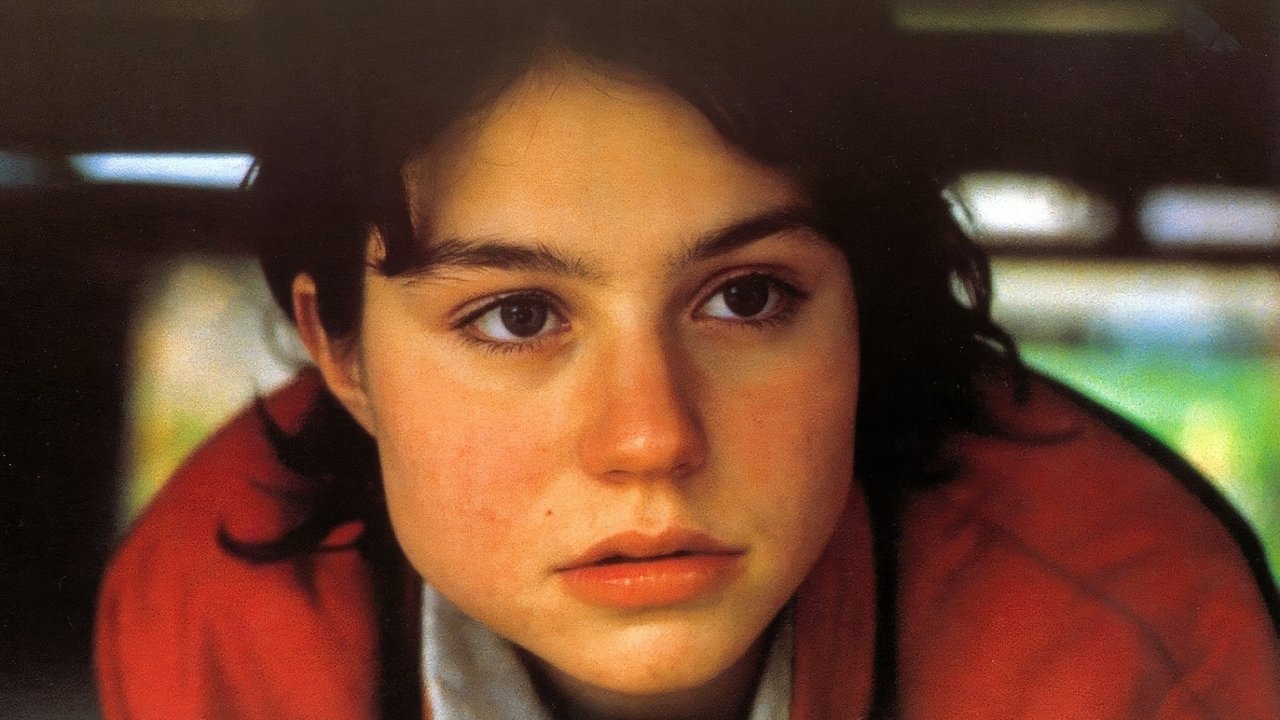
This is where the movie earns its high marks on Letterboxd and Metacritic. It refuses to make Rosetta a "likable" victim. She is hard, she is often mean, and she is laser-focused on her own survival. It asks the viewer a very uncomfortable question: If you were drowning, would you push someone else under to get a breath of air? Most teen-centric media paints the world in clear binaries of "good" and "evil," but Rosetta exists entirely in the gray. It’s a perfect entry point for a kid who is ready to move past simple heroes and start engaging with complex characters who make terrible choices for understandable reasons.
Why the "Slow" Label is a Lie
You’ll see warnings that this is a "slow" movie or a "boring" art-house slog. That’s a fundamental misunderstanding of what’s happening on screen. While there isn't much dialogue—Rosetta is far too busy working to waste breath on small talk—the film is physically exhausting.
She is constantly moving: running through the woods, hauling gas canisters, scrubbing floors, and fighting her mother. It has the momentum of a thriller. If you can get a teenager past the first ten minutes of subtitles and the lack of a traditional musical score, they’ll likely find themselves sucked into the rhythm of it. It’s a visceral experience that makes the final, quiet moments feel earned. You don't need a "happy" ending when you've been holding your breath for the entire runtime; you just need to see the character finally breathe.