The shift from satire to splatter
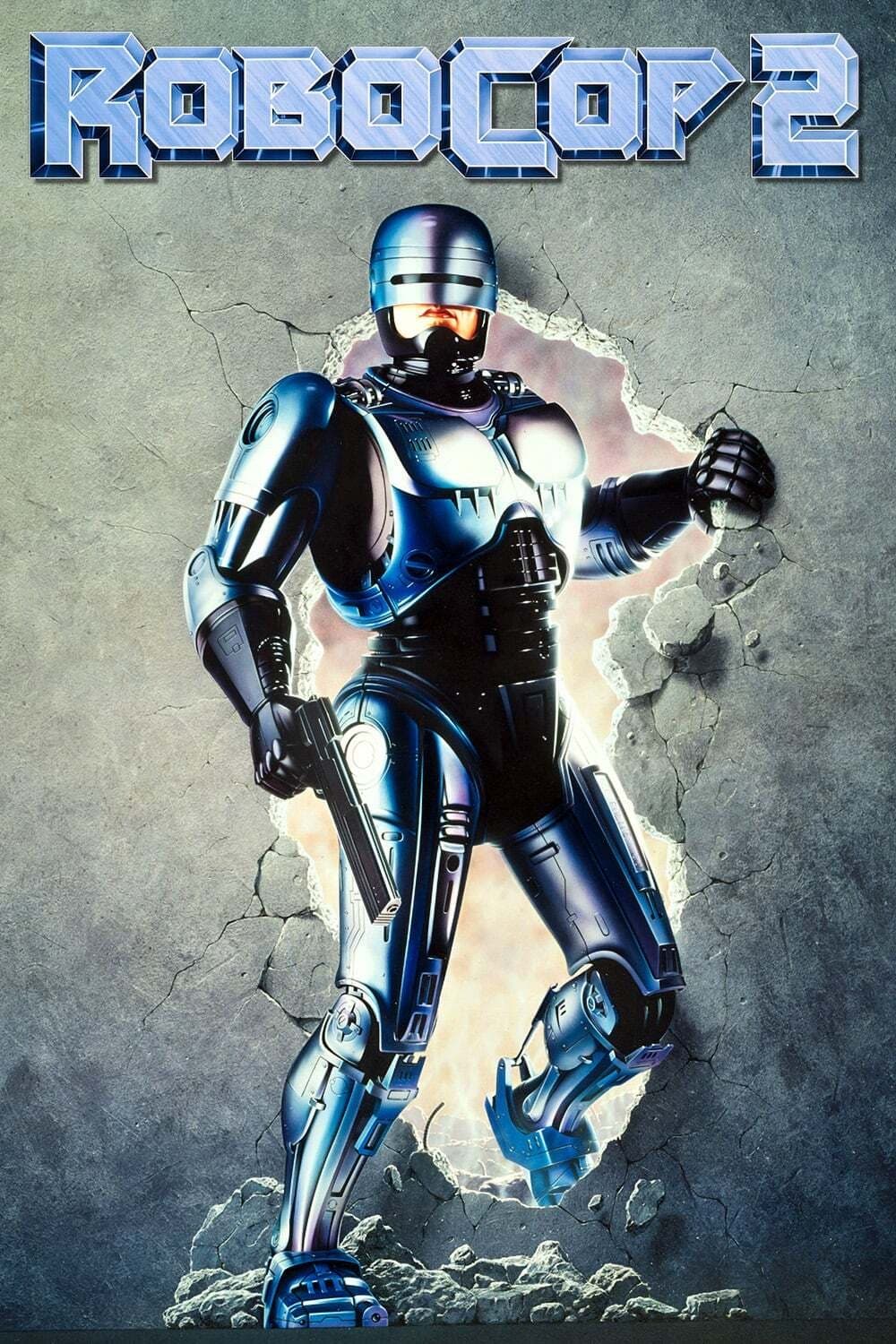
If the first film was a scalpel—sharp, precise, and cutting deep into the heart of American consumerism—this sequel is a chainsaw. It trades the cleverness of the original for a relentless, mean-spirited energy that defines early 90s action cinema. While the first movie felt like a cautionary tale, this one feels like a dare. It pushes the boundaries of what audiences would tolerate, specifically regarding the level of "splatter" and the total lack of a moral compass in its characters.
The film leans heavily into the "Nuke" drug plot, which serves as the engine for all the chaos. It’s not just a background detail; it’s the primary driver of the movie’s nihilism. Every character, from the corporate suits at OCP to the street thugs, is motivated by pure, unadulterated greed or addiction. There are no "good guys" left in Detroit, only Murphy, who spends much of the movie being dismantled—physically, mentally, and even legally.
The Phil Tippett factor
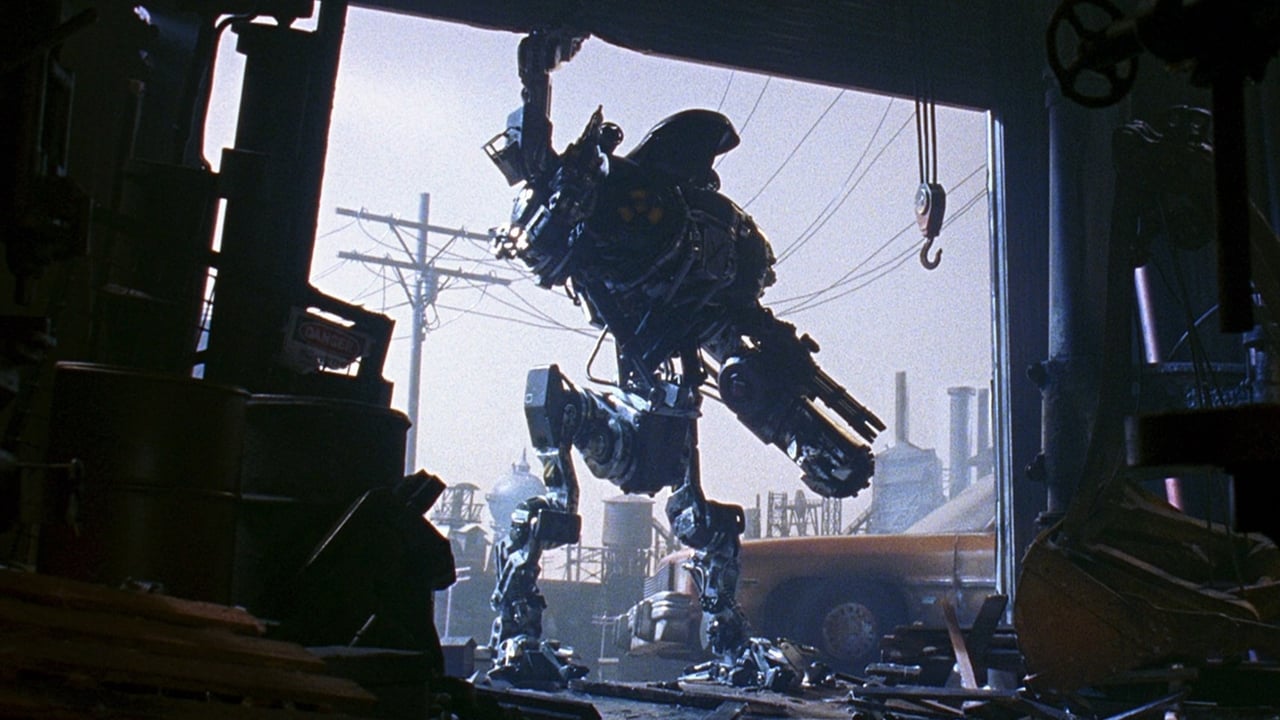
The one area where this movie genuinely excels is the special effects. If you or your teen are interested in the history of cinema tech, this is a masterclass in stop-motion animation. The final confrontation between RoboCop and the new "RoboCop 2" unit is a feat of engineering and patience.
You can feel the weight and the metallic grind of the machines in a way that modern CGI rarely captures. It’s clunky, loud, and tactile. For viewers who appreciate the craft of practical effects, these sequences justify the price of admission. However, that craftsmanship is often used to depict things that are genuinely stomach-turning, like the detailed brain-harvesting sequence that remains one of the most infamous moments in sci-fi history.
Dealing with the kid drug lord
The inclusion of Hob is where most parents will hit a wall. He isn't just a "bad kid" or a misunderstood youth; he is a remorseless, foul-mouthed professional criminal. The movie treats him like any other adult villain, which creates a very strange, often uncomfortable viewing experience.
If you’re on the fence about whether this specific brand of 90s grit is right for your home, our guide to RoboCop 2: The Ultra-Violent Sequel with the Kid Drug Lord breaks down exactly why this character remains so controversial. The film doesn't pull its punches just because a child is on screen, leading to a climax for his character that feels jarringly dark even by today's standards.
How to watch it
This isn't a movie you put on for a casual family movie night. It’s a loud, messy, and frequently ugly film that works best as a "history of the genre" piece. If your teen has already seen the original and wants to see where the franchise went, use it as a comparison point.
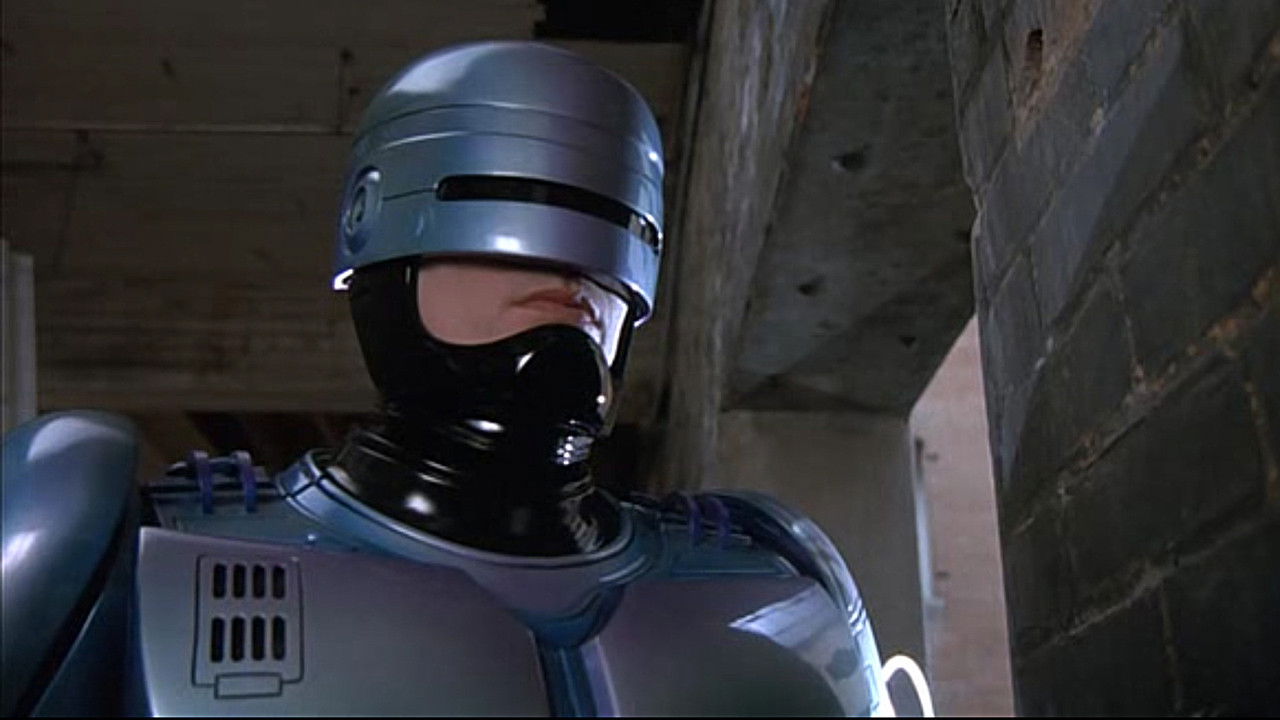
Talk about how the sequel changes Murphy’s character. In the first film, his struggle to find his humanity was the core of the story. Here, that humanity is often treated as a glitch or a nuisance to be programmed away by Dr. Faxx. It’s a much more cynical take on the "man vs. machine" trope, and it’s worth discussing why the filmmakers decided to take such a bleak path. Just be ready to hit the mute button or cover some eyes when the "Nuke" lab raids start—it gets loud and bloody very quickly.