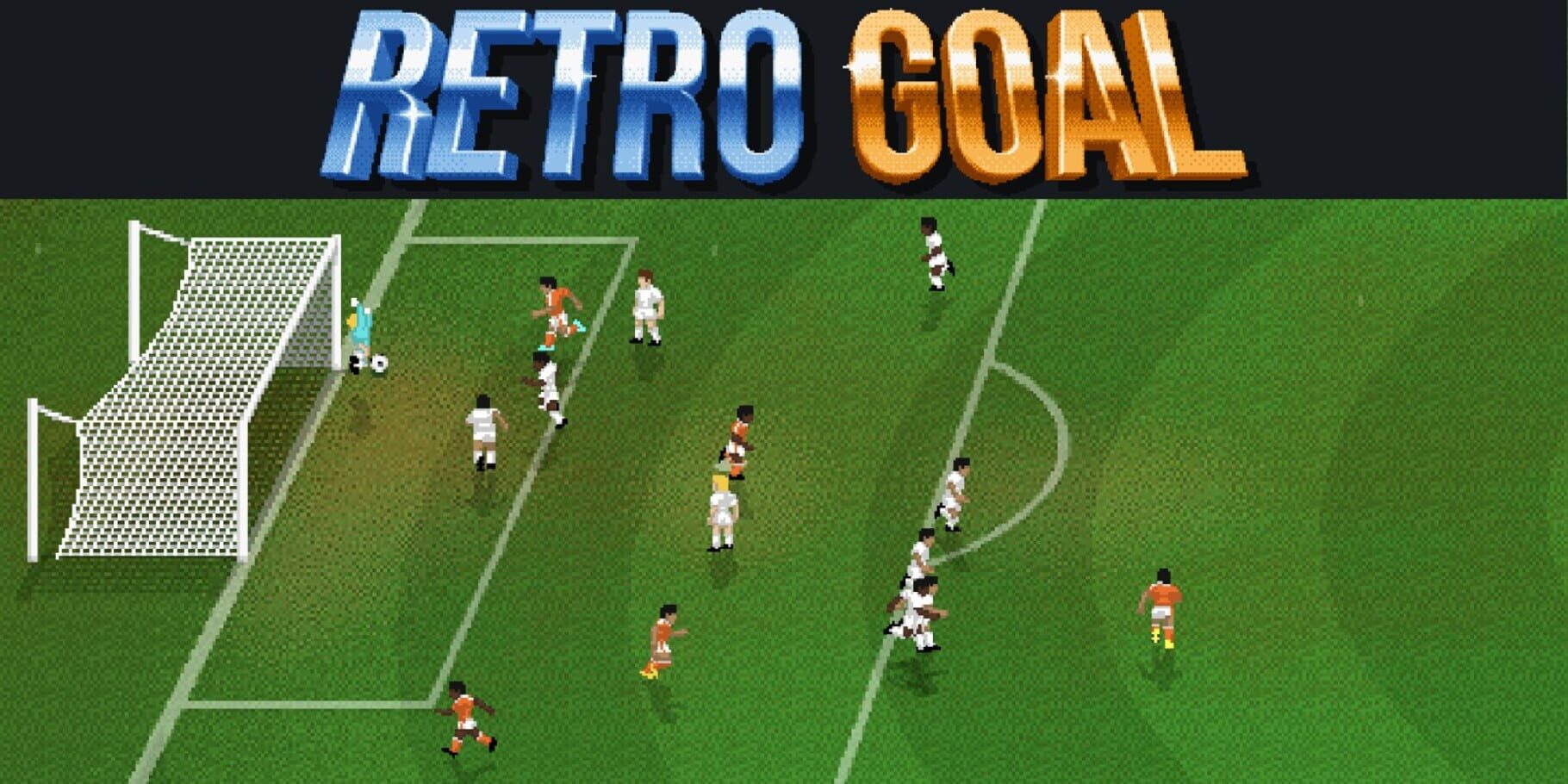
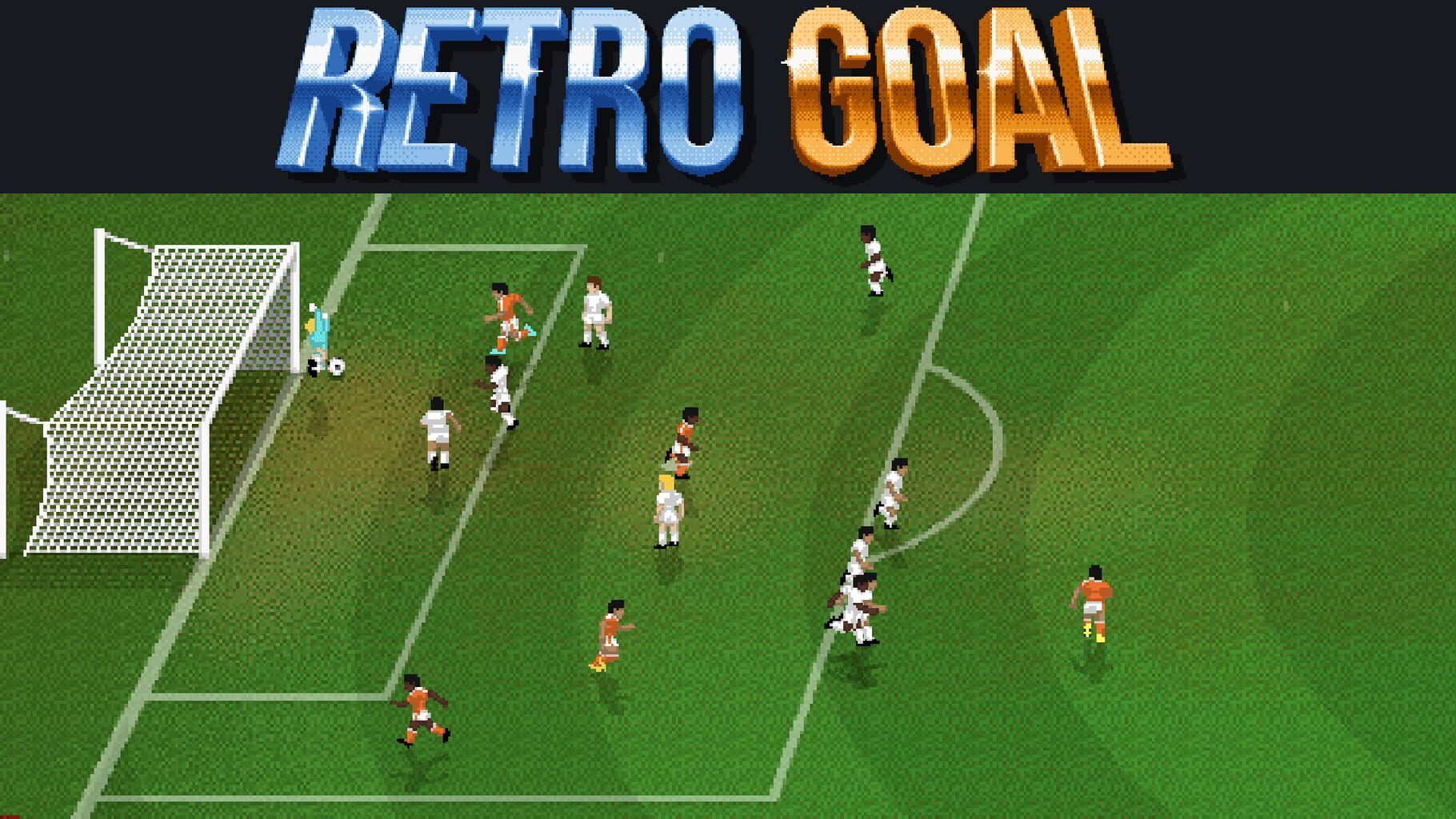
If your kid spent the last few years obsessing over Retro Bowl, you already know the vibe here. New Star Games has a very specific superpower: stripping away the bloat of modern sports sims and leaving only the parts that actually trigger a dopamine hit. Retro Goal does for soccer what its predecessor did for American football, turning a complex sport into a series of fast-paced, high-stakes decisions.
The "Highlights-Only" Hook
The most important thing to understand about the gameplay is that you don't actually play a full 90-minute match. That would be a slog on a touchscreen. Instead, the game drops you into "attacking opportunities." You might get five or six chances a game to move the ball down the pitch and find the back of the net.
This makes the game incredibly respectul of time. A kid can knock out a full "season" in an afternoon. The controls are built around a "flick-to-kick" and "drag-to-move" system that feels more like Angry Birds than a traditional console sports game. It's intuitive enough that a six-year-old can score a world-class header, but the difficulty scales up quickly enough that a middle-schooler won't get bored.
Management without the Spreadsheet
While the on-field action is arcade-heavy, the management layer is where the actual "game" lives. You aren't just playing matches; you're trying to drag a bottom-tier club up to the top flight. This involves hiring coaches, upgrading your stadium, and managing "hotheads" in the locker room.
It’s a great way to introduce kids to trade-offs. Do they spend their limited budget on a star striker who has a bad attitude and might ruin team morale, or do they invest in the youth academy for a long-term payoff? If you’re looking for a way to bridge the gap between simple apps and more complex sports games for kids who love soccer, this is the perfect middle ground. It teaches the basics of resource management without requiring a deep understanding of actual soccer tactics.
The Platform Choice Matters
There is a meaningful difference between playing this on a phone versus the Nintendo Switch. On mobile, the game is free-to-start but eventually nudges you toward small purchases to unlock the full experience or speed up progress. It’s not predatory, but it’s there.
The Switch version is the superior way to play if you want to avoid the "can I buy this?" conversation entirely. It’s a cheap, one-time purchase that includes the full game and works great with physical buttons. If your kid is already browsing our ultimate ranking of top football video games, they’ll likely find Retro Goal to be a refreshing, low-pressure alternative to the big-budget titles that are often designed to keep players in a loop of constant spending.
Why it Sticks
The "retro" in the title isn't just an aesthetic choice; it’s a design philosophy. Modern sports games are often criticized for being too realistic and, frankly, too stressful. Retro Goal is pure, distilled fun. It’s the kind of game where a kid can feel like a tactical genius for switching to a 4-3-3 formation and winning a trophy, all while sitting in the car on the way to their own real-life practice. It’s simple, it’s fast, and it’s one of the few sports games that feels like it was actually built for the device it’s on.