If you’re the kind of parent who usually breezes through bedtime by reading exactly what’s on the page, wordless books like Quest might feel like a trap. There’s no script to follow, which means the heavy lifting is on you and your kid. But that’s exactly why this book is a powerhouse for development.
The "Middle Child" that actually delivers
Sequels in a trilogy often feel like filler, but Aaron Becker avoids the sophomore slump by expanding the scope of the first book. While the first installment was a solo discovery, this one is a partnership. We see the two main characters working together from the jump. If your kid is currently obsessed with "teamwork" themes in shows or games, this is the analog version that actually respects their intelligence.
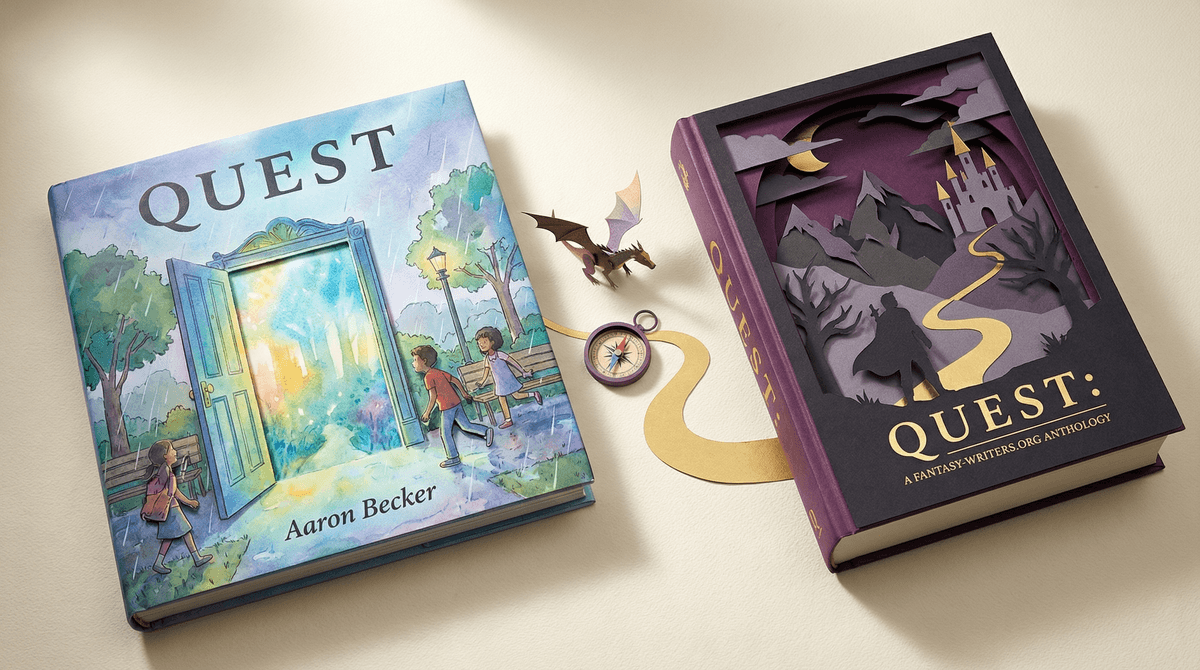
The art is the main event. It’s a mix of watercolor and pen that feels like a high-budget animated film frozen in time. You’ll see architectural influences that look like a mashup of Venice and ancient Cambodia, all powered by a sort of "crayon-punk" technology. It’s dense, it’s intentional, and it rewards the kid who likes to linger on a page to find the tiny bird or the hidden guard in the background.
Navigating the "Quest" confusion
The title Quest is about as generic as it gets in the world of kids' media. You might find yourself staring at a shelf of twenty different books with the same name. To save yourself some time and ensure you're getting the right vibe for the right age, take a look at our breakdown of which Quest anthology book is right for your family.
While this specific Quest is a wordless masterpiece for the 4-to-8 crowd, other titles with the same name range from gritty fantasy to TV tie-ins. This one stands out because it doesn't need a single line of dialogue to create a sense of urgency. When the characters are being chased through a canal or climbing a massive stone tower, the pacing is baked into the composition of the drawings.
How to "read" this without a script
If you feel awkward sitting in silence while your kid stares at the pages, try the "detective" approach. Instead of narrating what’s happening, ask what the characters are feeling. Because there are no thought bubbles or captions, kids have to rely on character posture and color palettes to figure out the mood.
It’s a fantastic bridge for kids who might eventually move on to more complex short story collections for middle grade readers. It teaches them that a story isn't just a sequence of events; it’s an atmosphere.
One specific friction point: the ending is a cliffhanger that leads directly into the third book. Be prepared for your kid to demand the next one immediately. It’s less of a standalone story and more of a chapter in a larger epic. If you’re buying this as a gift, you might as well grab the whole trilogy, because "one more time" will inevitably turn into "what happens next?"