The Libii Formula
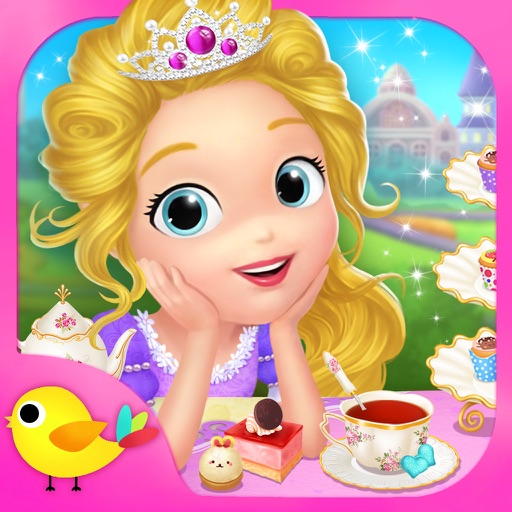
If you've played one Libii game, you've played them all. They found a formula in the 2010s and stuck to it: take a theme (mermaids, princesses, hair salons), add a dozen repetitive mini-games, and wrap it all in a 'hearts' currency system. In Princess Libby, the core loop is hosting a tea party. You prep the snacks, serve the guests, and clean up the mess.
Why It Feels Dated
In 2026, this app feels like a time capsule. The UI is busy, the animations are stiff, and the 'emergency' framing (the tea party is starting and nothing is ready!) is a bit of a cheap stress tactic to get kids moving. Modern kids' apps have largely moved toward open-ended play, whereas this is very much a 'click the bubble to do the one thing we allow' experience.
The Monetization Trap
Parents should be aware that while the app is 'free,' it's really a demo. The most enticing dresses and decorations are locked. If your kid is the type to get fixated on completing a collection, this app will be a constant source of 'Can I buy this?' requests.
Libii games are the digital equivalent of those cheap plastic toy aisles—bright, shiny, and fun for a second, but ultimately designed to be replaced by the next shiny thing.
If you do download it, turn off in-app purchases in your device settings first. It’ll save you a headache later.