The Mascot Horror Phenomenon
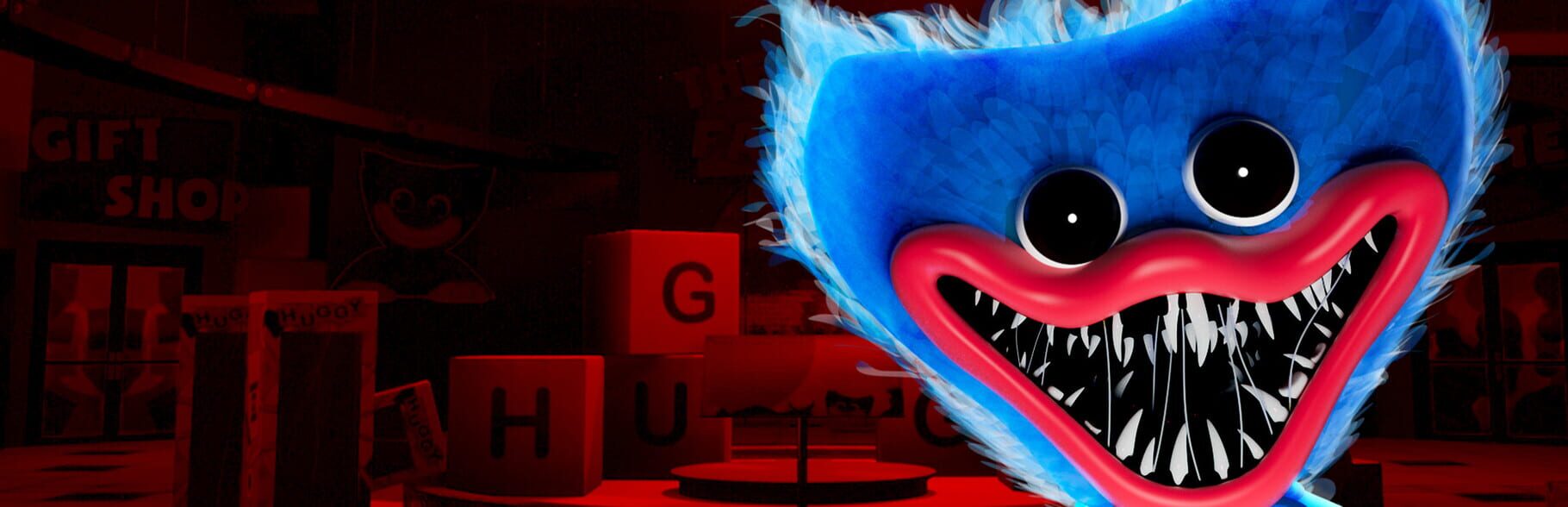
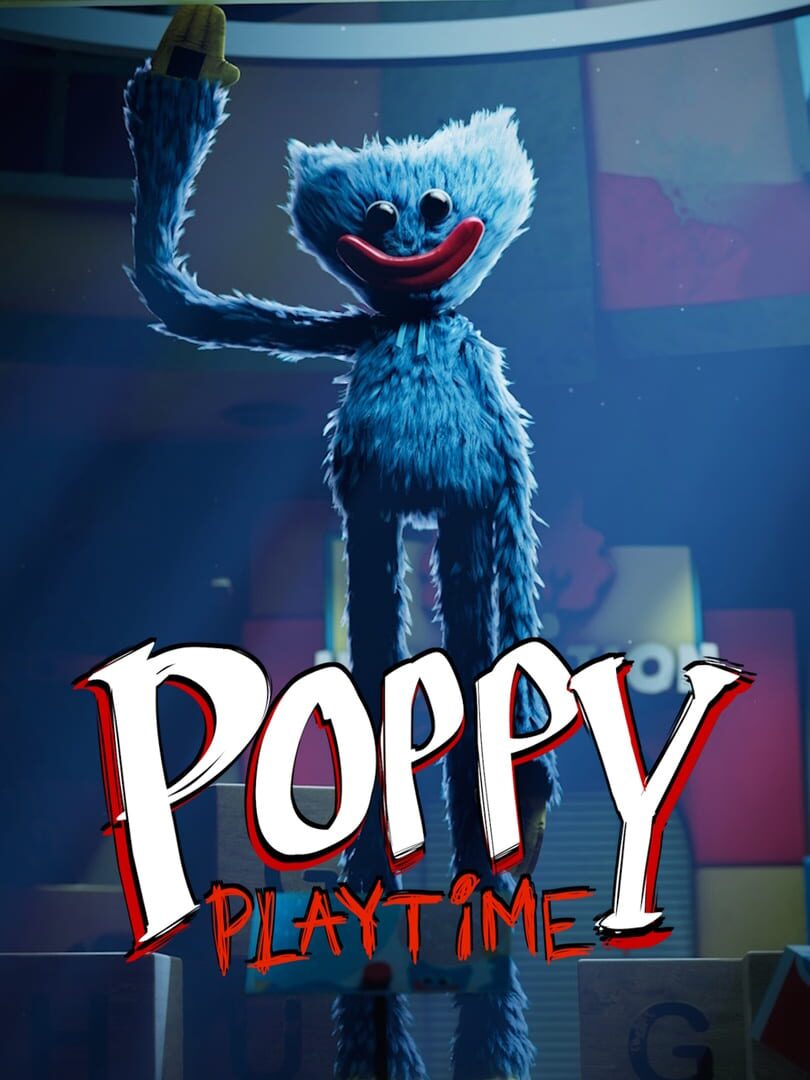
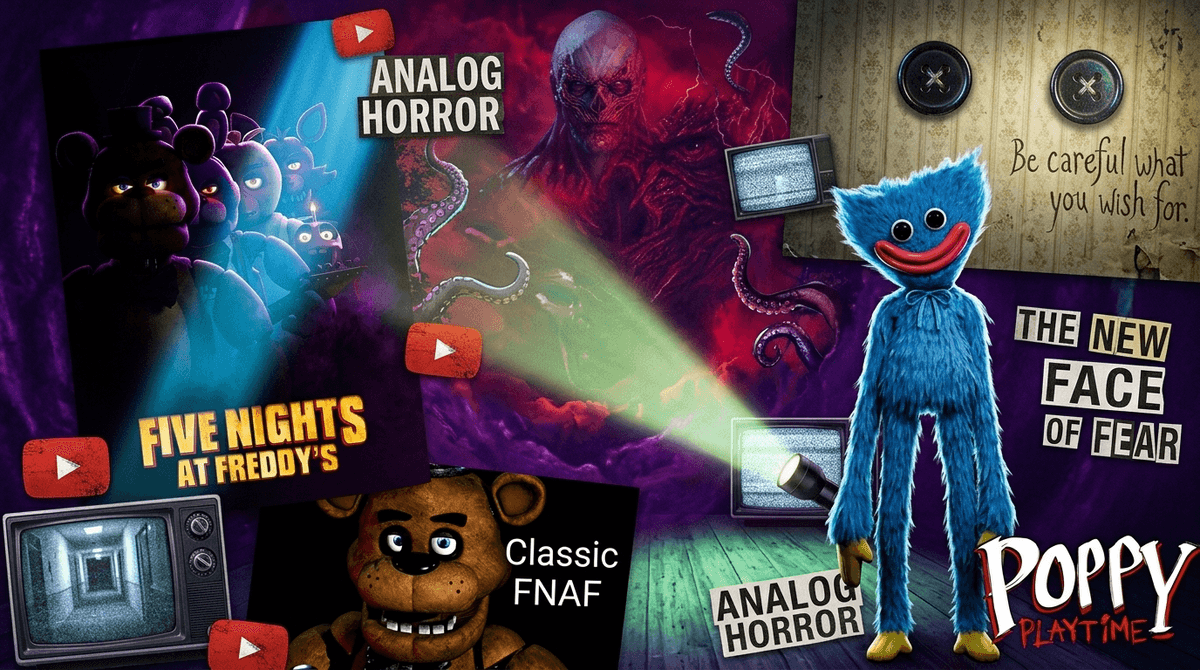
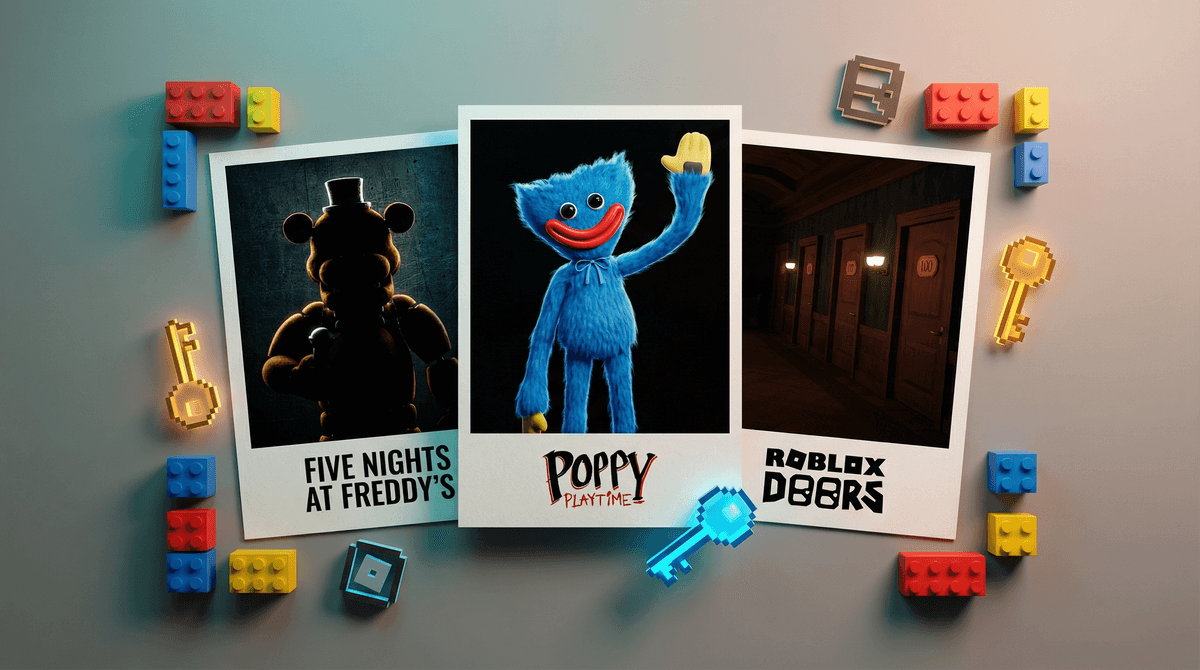
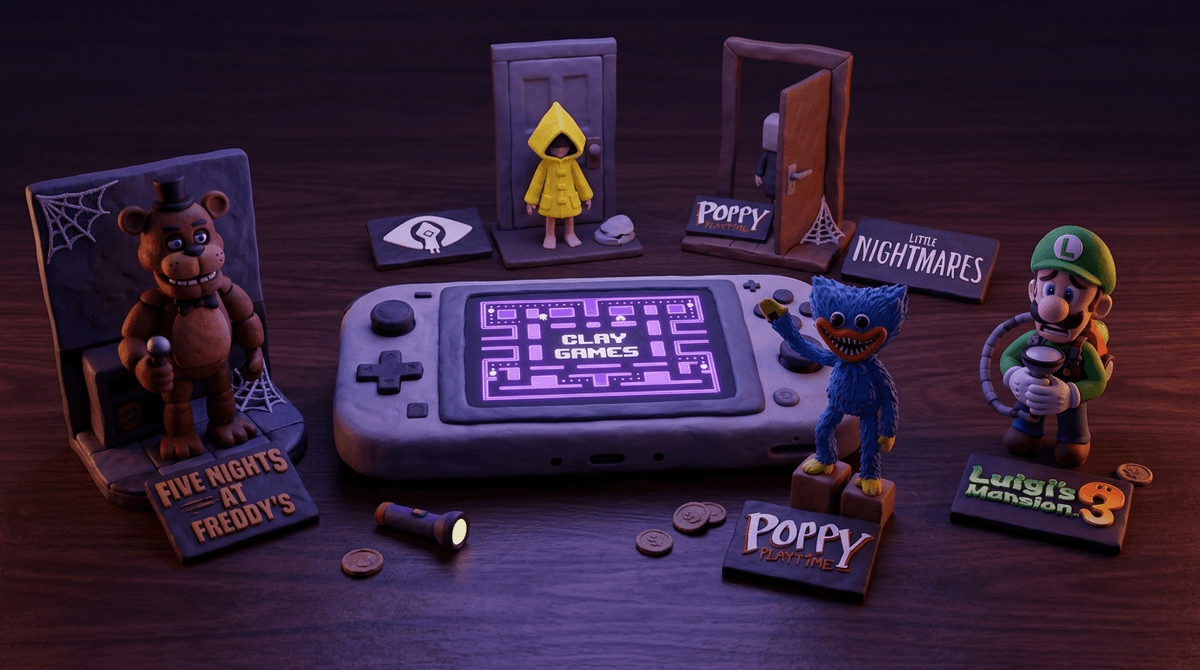
To understand Poppy Playtime, you have to understand the era of 'Mascot Horror' it helped define. Following in the footsteps of Five Nights at Freddy's, this game takes the symbols of childhood—toys, play areas, bright colors—and twists them into something predatory. It’s a formula that works perfectly for the YouTube and TikTok generation, where 'lore' is more important than the actual gameplay loop.
More Than Just a Meme
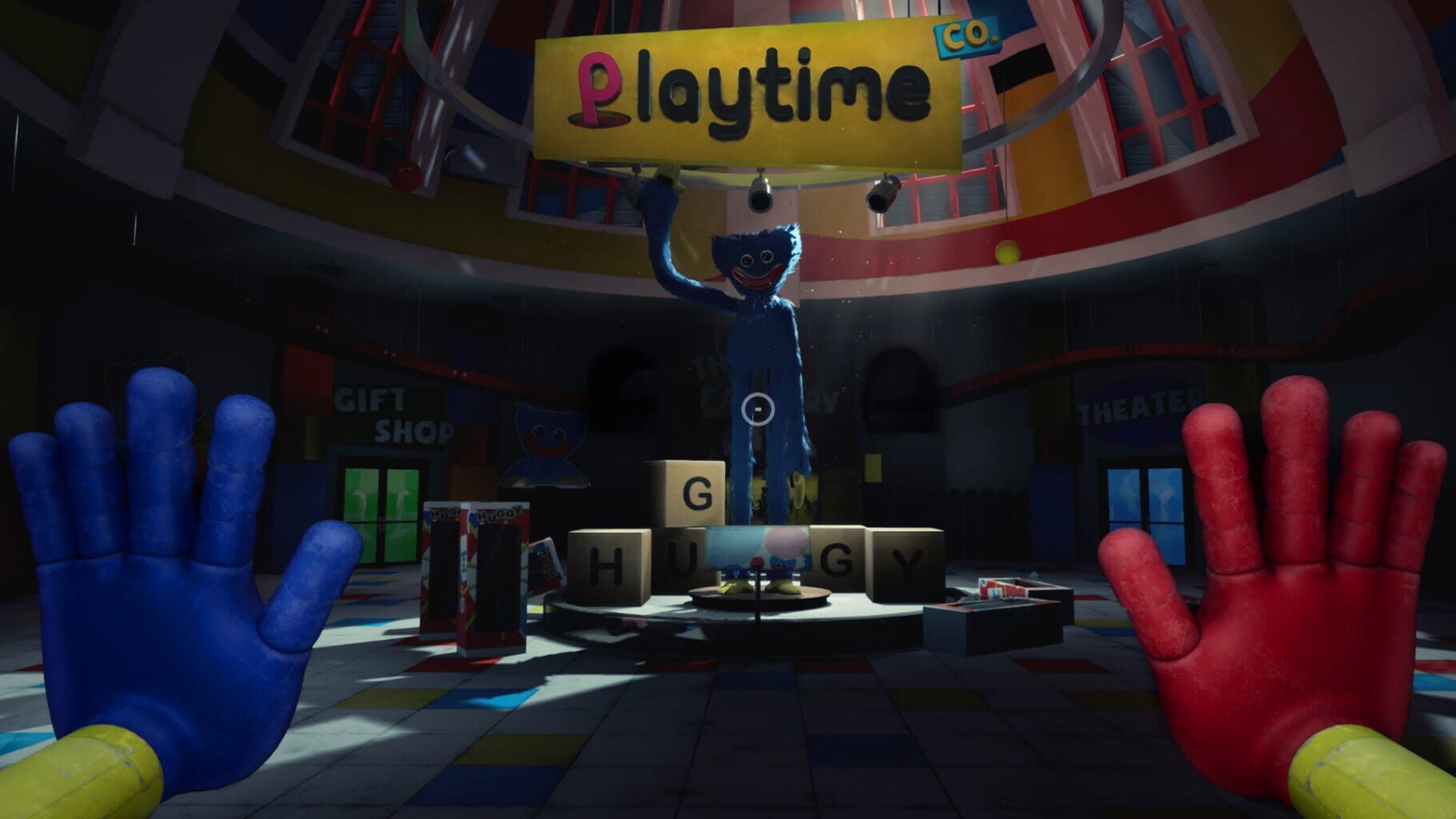
What separates Poppy Playtime from its many low-effort clones is the GrabPack. Most indie horror games are just walking simulators where you occasionally hide in a locker. Here, you have two extendable, remote-controlled hands that you use to pull levers, complete electrical circuits, and grab items from across the room. It adds a layer of physical logic to the game that makes the puzzles feel 'real.'
The YouTube Trap
Parents should be aware that the game itself is often the least scary thing about the Poppy Playtime ecosystem. Because the characters like Huggy Wuggy and Mommy Long Legs became viral sensations, there is a massive amount of user-generated content on YouTube that is significantly more violent or weirdly sexualized than the actual game. If your kid is playing the game, they’re probably safe; if they’re falling down the YouTube rabbit hole of 'fan theories,' that’s where the real monitoring needs to happen.
"The game is a masterclass in building tension through environmental design, even if it eventually relies on the standard jump-scares to close the deal."
If your kid survived the first few nights of FNAF, they’re ready for this. If they’re still sleeping with the lights on, maybe give the abandoned toy factory a pass for a few more years.