The creator connection you probably recognize
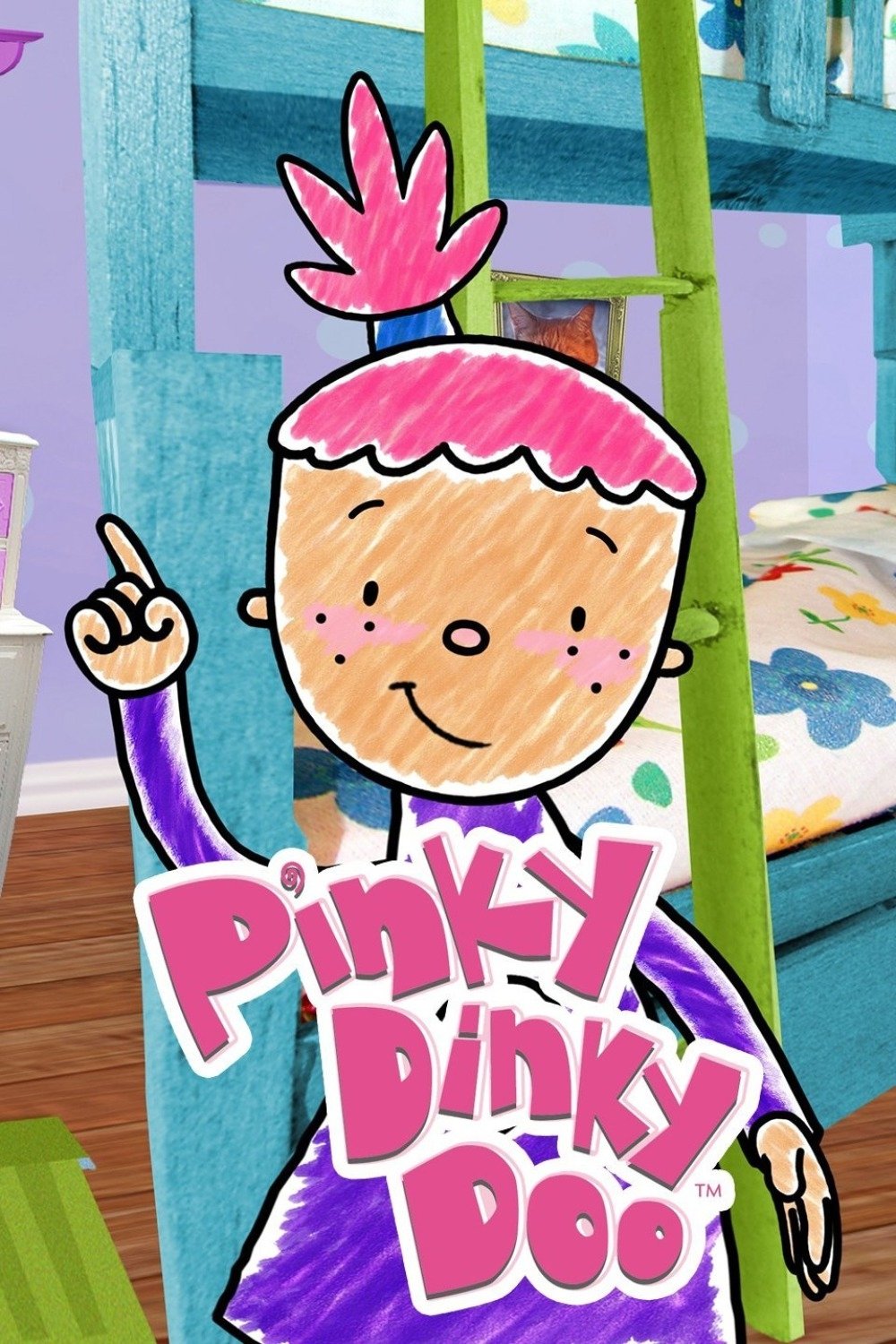
If the character designs in Pinky Dinky Doo feel strangely familiar, it’s because the show was created by Jim Jinkins. He’s the mind behind Doug, the 90s Nicktoon staple. You can see that DNA in the big ears, the expressive eyes, and the general "earnest kid in a big world" vibe. While Doug was about the existential dread of being a pre-teen, Pinky is focused on the chaotic logic of a preschooler.
It carries that same indie-animation spirit, which is a breath of fresh air if you are tired of the polished, hyper-saturated 3D models that dominate streaming platforms today. It feels like something a person actually drew and cut out of a magazine, rather than something spat out by an algorithm.
SAT prep for the pull-up set
The "Great Big Fancy Word" gimmick is the strongest part of the show. Most preschool media treats vocabulary like a chore—repeat the word, see the object, move on. Pinky handles it differently. She drops words like implausible, suspicious, or exaggerate and then builds an entire, ridiculous narrative around them.
The show treats these words as power-ups. When Pinky "thinks big," her hair literally expands, signaling to the viewer that big words lead to big ideas. It’s effective because it doesn't talk down to kids. If you have a child who is currently obsessed with "why" or is starting to experiment with more complex sentences, this show provides a much better vocabulary workout than something like Paw Patrol.
Navigating the "Story-Within-A-Story"
One thing to watch for is the meta-narrative. The show operates on two levels: the "real" world where Pinky and her brother Tyler deal with a minor problem, and the "Story Box" world where Pinky invents a wild tale to solve it.
For some two-year-olds, this jump can be a little jarring. They might lose the thread of why Pinky is suddenly wearing a suit made of cheese or flying to the moon. However, for kids closer to four or five, this is exactly what makes the show click. It mirrors the way they actually play. If your kid liked the imaginative roleplay in Bluey but needs something more focused on literacy and language, this is the logical next step.
The photo-collage aesthetic
We have to talk about the visuals. The "photo-collage" style—mixing 2D drawings with real-world textures and photos—was a massive trend in the mid-2000s. To a modern eye, it can look a bit "crunchy" or low-budget. The animation isn't fluid; it’s jerky and flat by design.
Don't let the dated look deter you. The lo-fi aesthetic actually makes the show feel more attainable. It looks like a craft project come to life, which is why it’s so easy to transition from the screen to the living room floor. You don't need a high-tech toy to "play" Pinky Dinky Doo. You just need a cardboard box and a willingness to be silly.
How to use it
This is a great "bridge" show. If you’re trying to move a child away from mindless, high-speed sensory input and toward something that requires actual listening and comprehension, put this on. It’s structured enough to keep them focused but weird enough to keep them from getting bored.
If they enjoy the "cheesy endings" or the interactive games at the end of the episodes, it’s a clear sign they’re ready for more narrative-heavy books. It’s essentially a gateway drug for creative writing. You can find more details on how critics viewed this approach over at Common Sense Media.