The Antihero Problem and the Shelby Mythos
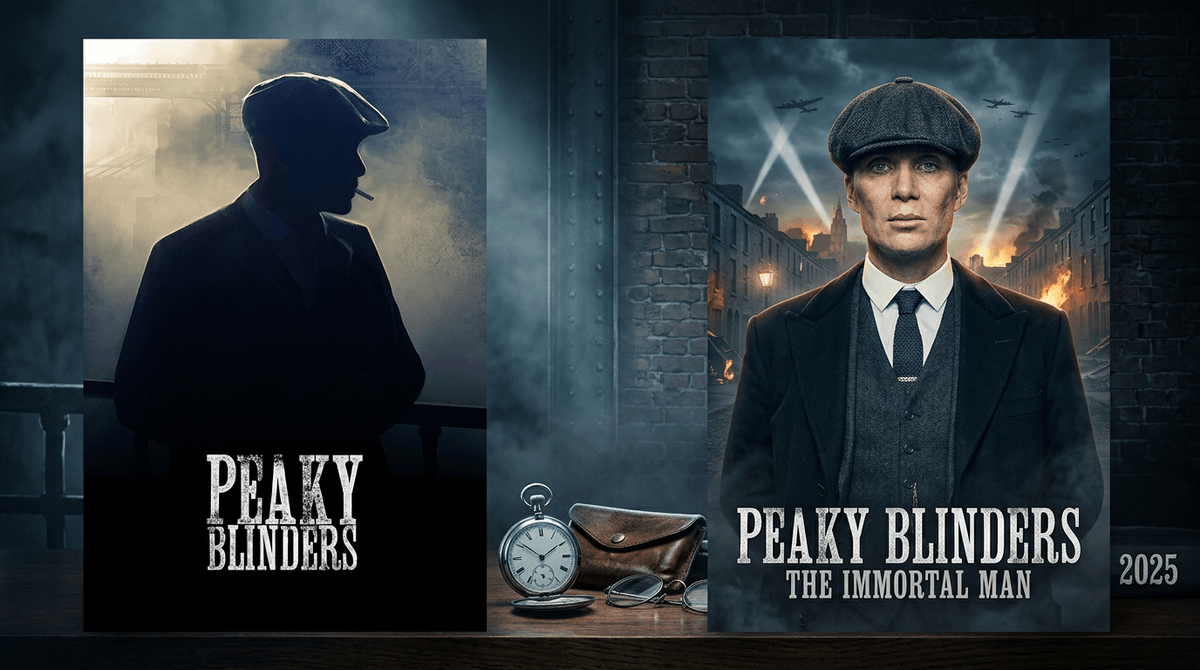
Every generation gets a prestige antihero that teenagers paste across social media feeds. A decade ago it was Walter White; today, TikTok algorithms feed high school boys endless slow-motion clips of Thomas Shelby walking through industrial sparks in a tailored three-piece suit. The aesthetic is undeniable, but viewing Peaky Blinders purely as an "alpha male" playbook misses the entire tragedy of Steven Knight's writing.
Tommy Shelby is miserable. He barely sleeps, hallucinates his dead comrades, uses opium to stop the sound of tunneling Germans in his head, and ruins almost every personal relationship he touches. The violence is not cartoonish fun. When the Peaky Blinders fight, people lose eyes, teeth, and limbs in cold mud. Older teens can appreciate that contrast if they watch the complete narrative arcs instead of isolated highlight reels.
Where It Fits Beside Boardwalk Empire and The Godfather
American mob epics usually focus on immigration, capitalism, and the American Dream. Peaky Blinders grounds its conflict in British class rigidity and the catastrophic emotional debt of the First World War. The early seasons shine because the stakes feel local: small betting rings, stolen government crates, and street-level rivalries with local inspectors. By the later seasons, as Tommy enters Parliament and clashes with historical fascist Oswald Mosley, the show shifts from a tight family crime drama into a meditation on political corruption.
If you have a sixteen- or seventeen-year-old interested in European history, screenwriting, or cinematography, the series provides incredible fuel for conversation. Just treat it like an R-rated historical text, not casual background viewing.