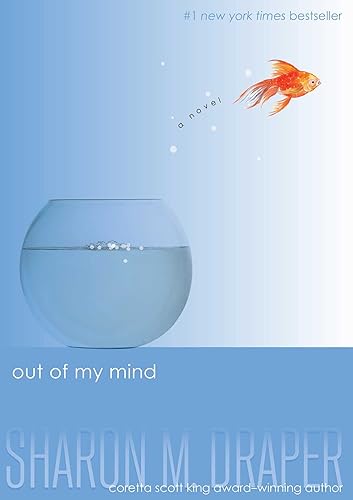
Our reviews and ratings are 100% unbiased. Screenwise is a Bookshop.org affiliate and an Amazon Associate, so if you buy a book through one of our links, we may earn a commission. Bookshop.org purchases also support independent bookstores.
Screenwise Verdict
This is the book you hand a kid when you want them to understand what empathy actually means.
Melody's voice—sharp, funny, frustrated, hopeful—pulls you in from page one. Draper doesn't soften the hard parts: the teachers who park Melody in a room with kids who can't learn, the classmates who mock her, the gut-punch moment when her team leaves for the competition without her. But she also doesn't make Melody a saint or a tragedy. She's just a kid who wants to be seen for who she is.
The book has stayed on bestseller lists for over a decade because it works. Kids get it. They feel it. And it changes how they see people with disabilities—not as inspiration porn, but as fully realized humans who deserve to be heard.
Emotionally demanding in spots, but absolutely worth it. One of those rare books that's both a great read and genuinely important.
Age Fit
Best for ages 9-14. Strong readers as young as 8 can handle it, but the emotional weight (ableism, exclusion, betrayal) requires some maturity. Teens will still find it powerful, though the protagonist's age may feel young.
WISE Breakdown
Wholesome
92
Models extraordinary determination, empathy, and kindness. Melody's relationships with her parents, aide Mrs. V, and neighbor Mrs. Valencia are warm and supportive. The book handles frustration and disappointment (bullying, exclusion, teacher dismissiveness) honestly but without gratuitous cruelty. Emotional tone is age-appropriate—tough moments land but never feel exploitative.
Imaginative
78
The narrative device of entering Melody's mind—a brilliant, photographic memory trapped in a body that won't cooperate—is genuinely creative. Readers experience the world through her unique perspective, which invites empathy and cognitive stretching. However, it's primarily a realistic contemporary story rather than fantasy or world-building, so imaginative scope is somewhat bounded by its genre.
Safe
88
No graphic content, violence, or inappropriate material. The emotional difficulty comes from realistic depictions of ableism, exclusion, and a heartbreaking betrayal by classmates near the climax. Some kids may find these scenes upsetting (especially the airport/competition incident), but they're handled with care and serve the story's purpose. Not traumatizing, but emotionally demanding in spots.
Enriching
95
Profoundly enriching. Builds empathy for people with disabilities in a way few books accomplish—readers viscerally understand what it's like to be underestimated and dismissed. Tackles ableism, intelligence vs. communication, and self-advocacy. Melody is a complex, fully realized character who happens to have cerebral palsy, not a inspiration-porn stereotype. The book has been used in classrooms for years to spark discussions about inclusion and presuming competence.
Parent Info
✓
Why It Might Be Great
Melody is one of the most memorable protagonists in middle-grade lit—smart, funny, frustrated, and fully human
Builds empathy like few other books can; readers will never look at disability the same way
Tackles real ableism and exclusion without sugar-coating, but with hope and agency
Sharon Draper's writing is accessible and engaging—kids actually want to keep reading
Now a Disney+ film (2024), so great for book-to-screen discussions
⚠
What to Watch For
The climactic betrayal (classmates leave for competition without Melody) is genuinely upsetting—some kids may need to process it
Realistic depictions of people underestimating and dismissing Melody can be frustrating and sad
Best for kids who can handle emotional complexity and won't be overwhelmed by injustice on the page
Conversation Starters
"What would it feel like to know all the answers but not be able to tell anyone?"
"Why do you think Melody's teachers and doctors assumed she couldn't learn? What does that teach us about judging people?"
"How did Melody's Medi-Talker change her life? What would you say first if you suddenly had a voice?"
"Was what the Whiz Kids team did at the airport bullying? What should have happened instead?"
"How can we make sure people like Melody are included and listened to in real life?"