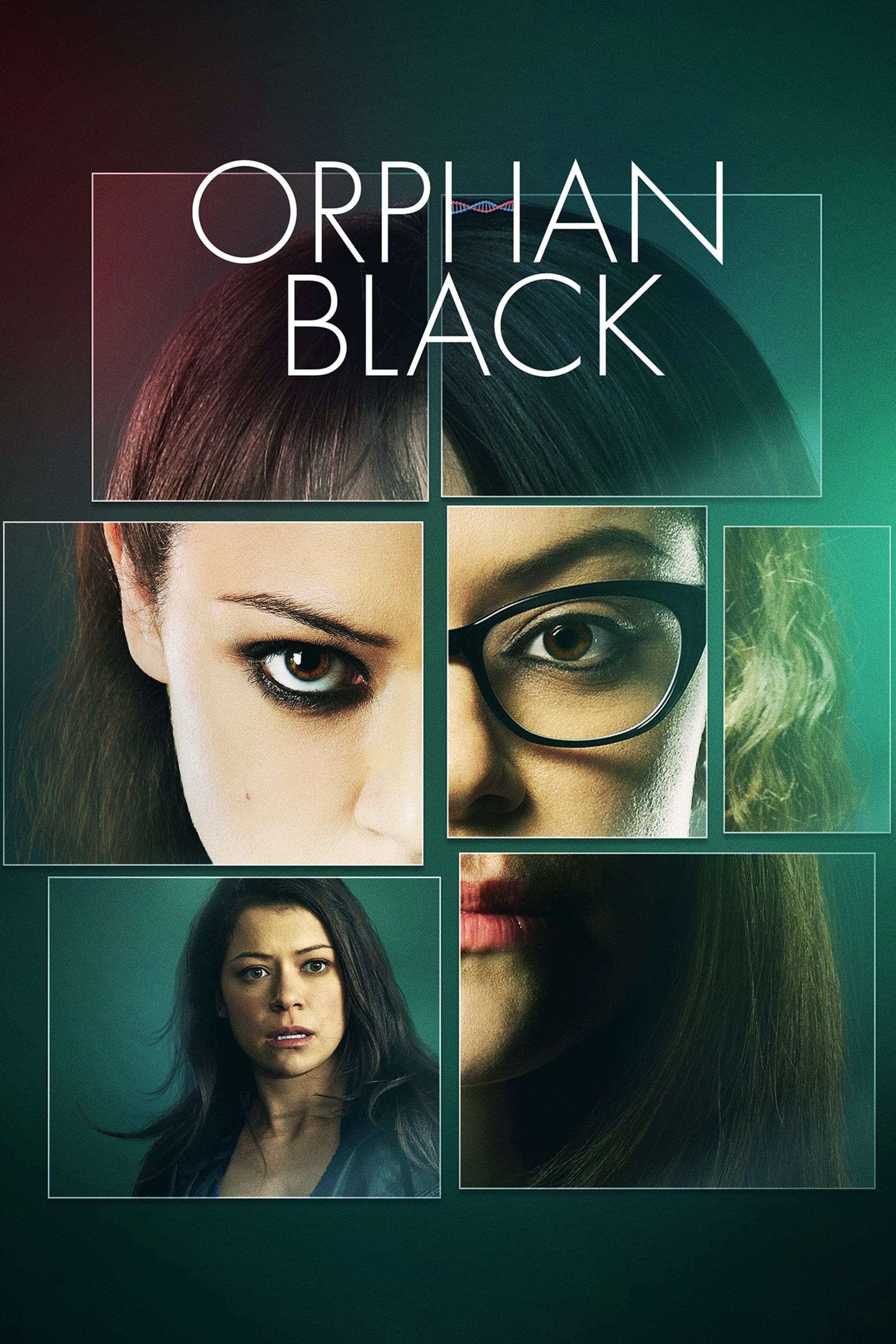
If you’re coming to this because you heard it’s a "clone show," you might expect something clean and laboratory-sleek. It isn’t. This is a show about the fringe. It lives in train stations, squats, and suburban kitchens that feel slightly suffocating. The central hook—a woman witnessing her doppelgänger’s suicide and then stealing her life—is just the entry point into a story about bodily autonomy that feels even more relevant in 2026 than it did at launch.
The "Clone Dance" Factor
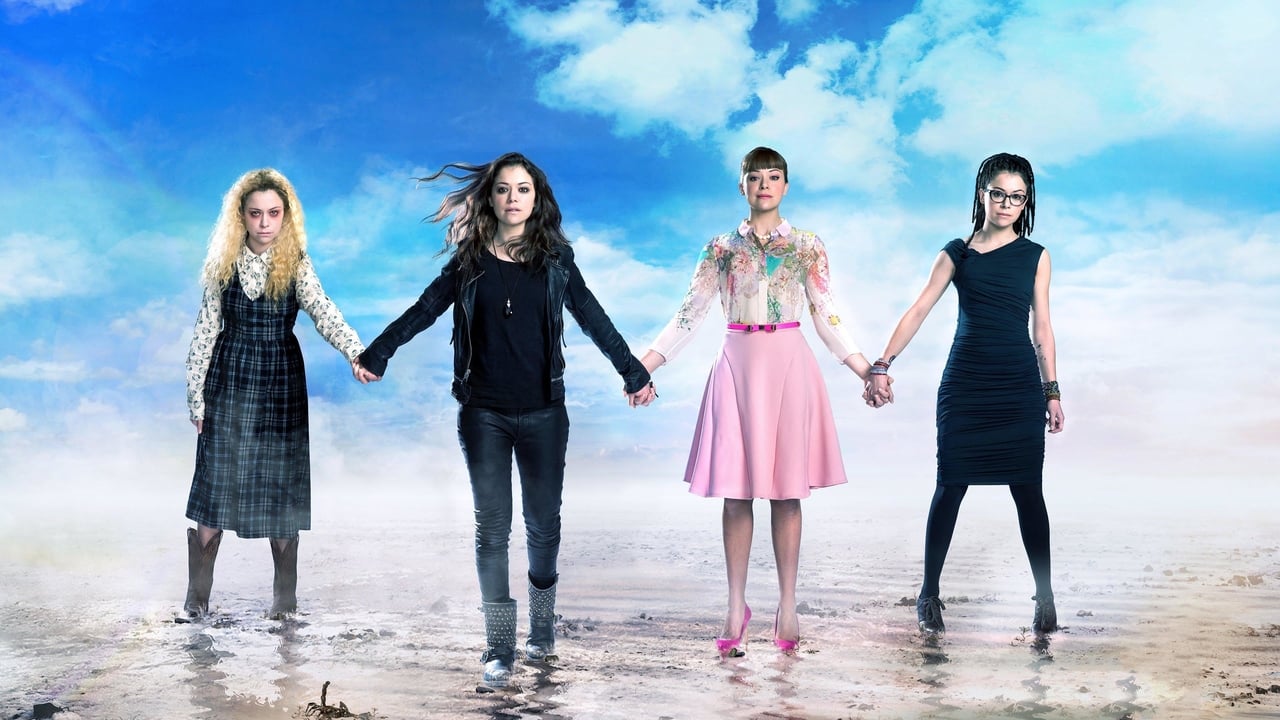
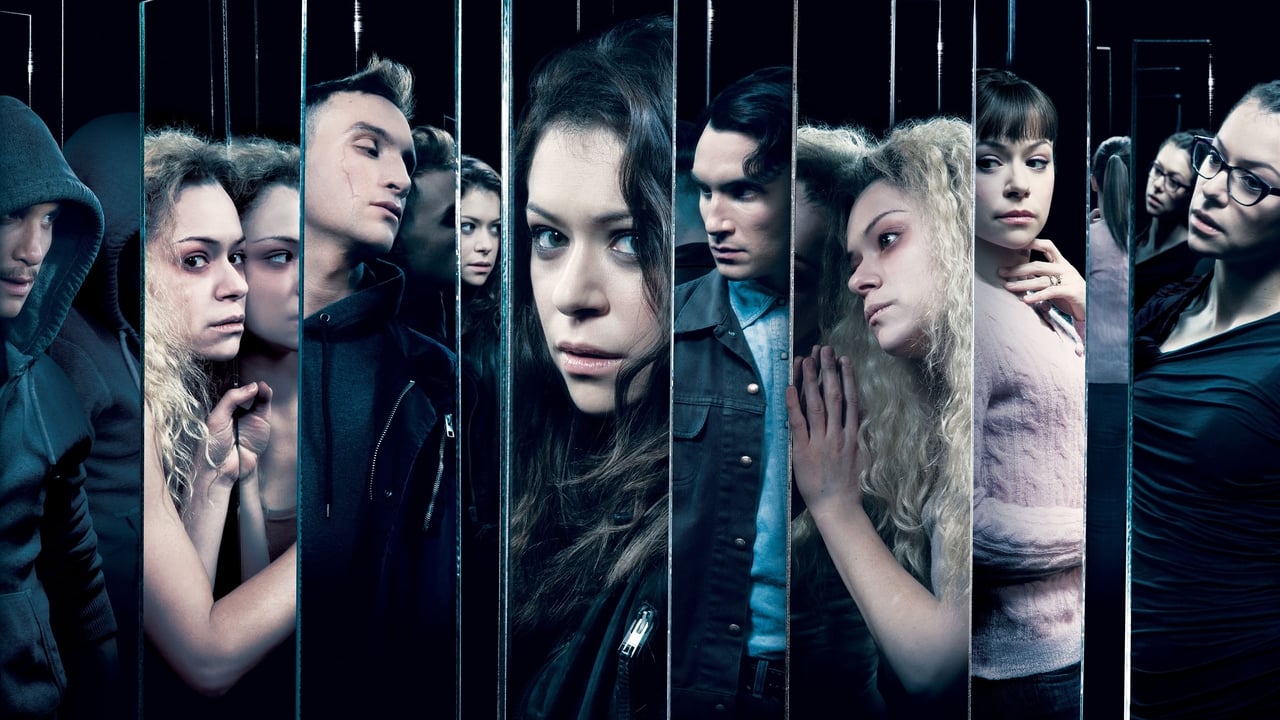
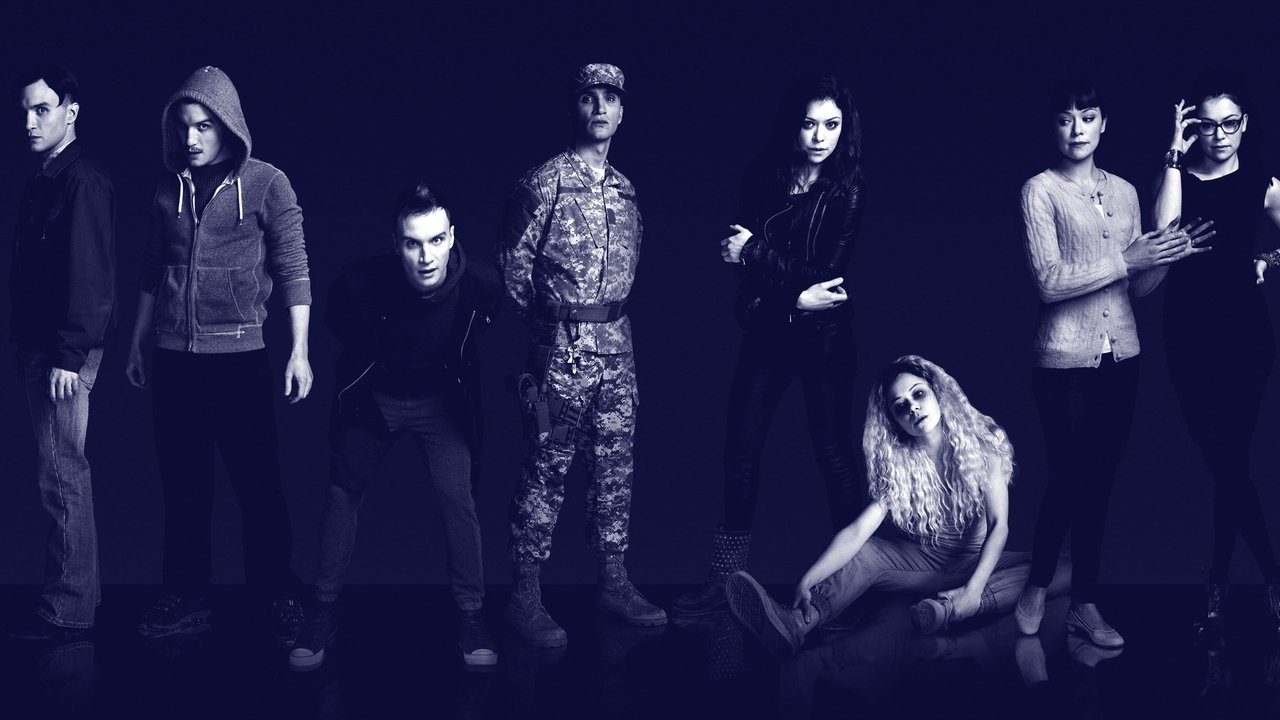
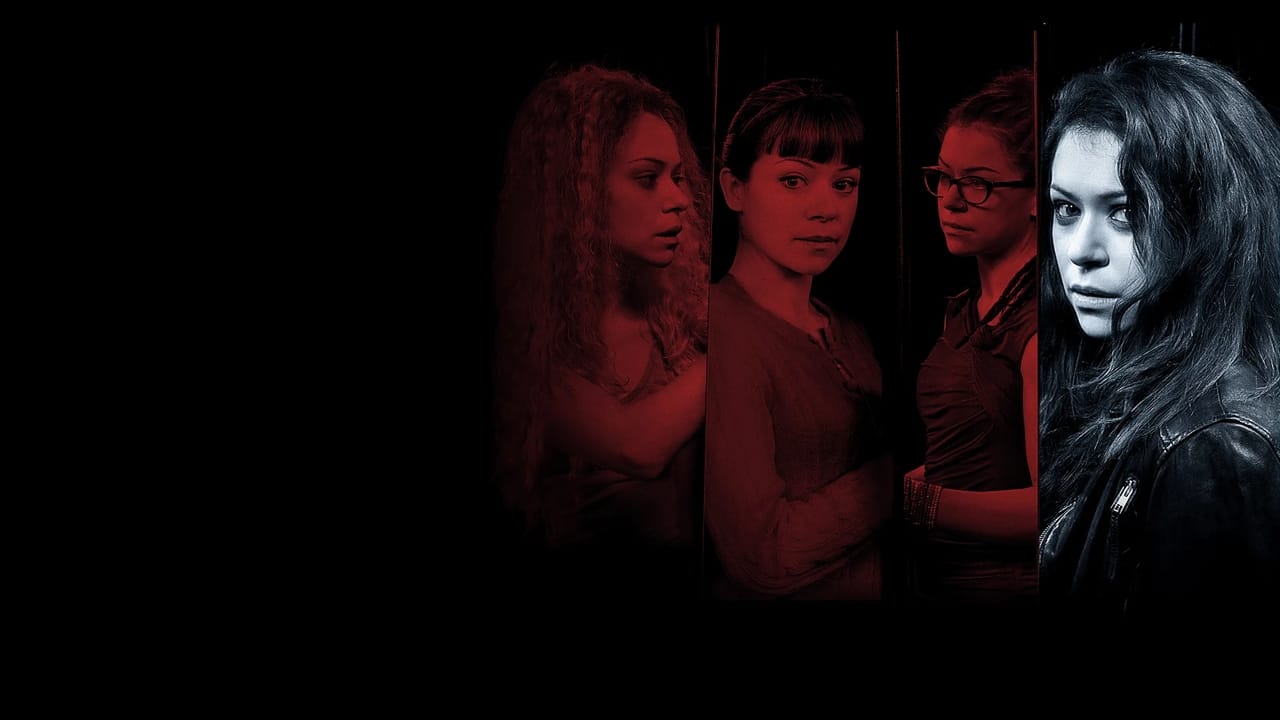
The technical execution is what usually gets the headlines, but the real magic is the distinctness. You will find yourself rooting for a high-strung suburban mom in one scene and being legitimately terrified of a feral assassin in the next. It’s a masterclass in character writing where the "siblings" have more chemistry with themselves than most romantic leads have with each other. Because the show relies so heavily on one person playing against themselves, the dialogue has to be sharp to keep the illusion alive. It succeeds so well that you’ll eventually stop trying to spot the camera tricks and just start worrying about the characters as individuals.
The Friction for Families
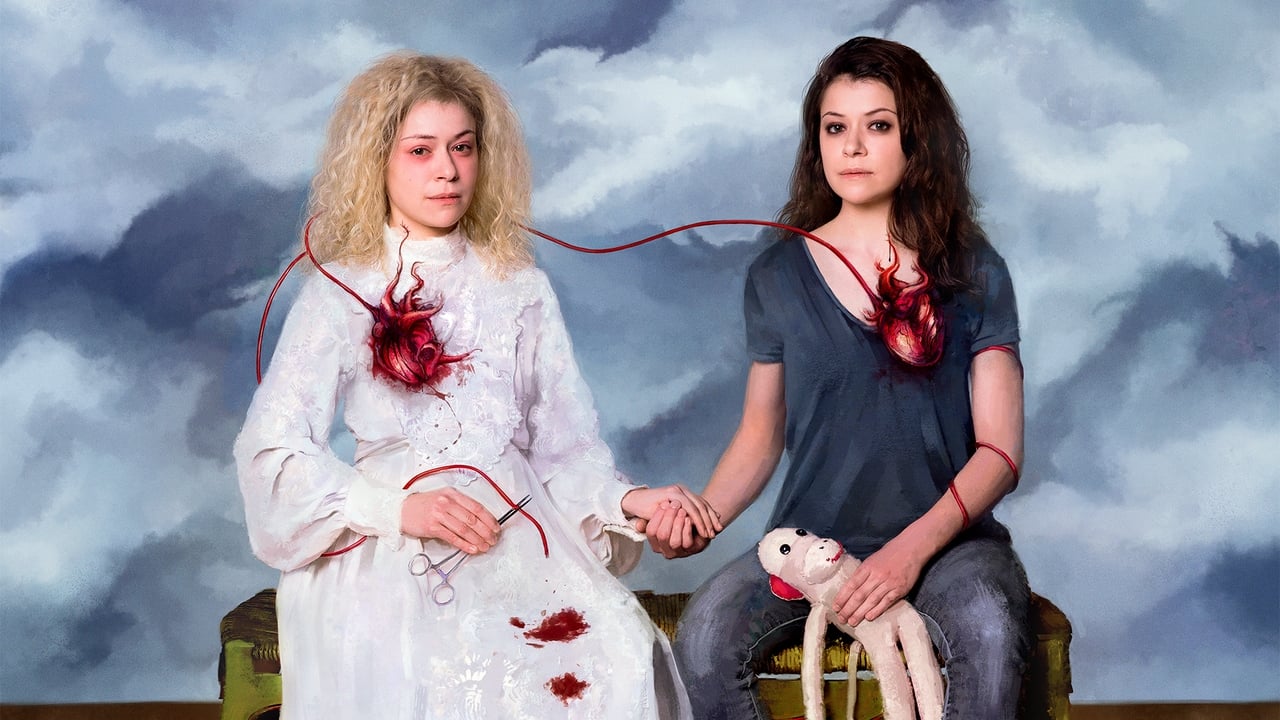
For parents of older teens, the friction point isn't just the checklist of sex and swearing. It’s the visceral nature of the science. This isn't "press a button and a clone appears" sci-fi. It’s "medical experimentation without consent" sci-fi. There is a streak of body horror here that can be genuinely upsetting. We aren't just talking about blood; it’s the clinical, invasive kind of violence that sticks with you.
The show also leans into a very 2010s "prestige TV" grit. It’s dark, often literally—you might find yourself squinting at the screen during night scenes if your brightness isn't cranked. If your kid is into the bio-hacking aesthetics of modern RPGs or the identity crises of shows like Severance, this is the ancestor they need to see, provided they can handle the heavy TV-MA lean.
Why it Holds Up
The pacing is a double-edged sword. It’s a "just one more episode" kind of binge, but the plot is dense. If you miss a five-minute conversation about synthetic DNA sequences or corporate patents, you might be lost for the rest of the season. It demands your full attention; it’s not a "second screen" show you can watch while scrolling on your phone.
If you’ve got a teen who grew up on the "chosen one" tropes of YA dystopian novels but is now looking for something that feels more adult and grounded in ethics, this is the bridge. It moves past the "save the world" stakes and focuses on the "who owns my body" reality. It’s a smart, stressful, and occasionally hilarious ride that doesn't treat its audience like they need the plot explained twice.