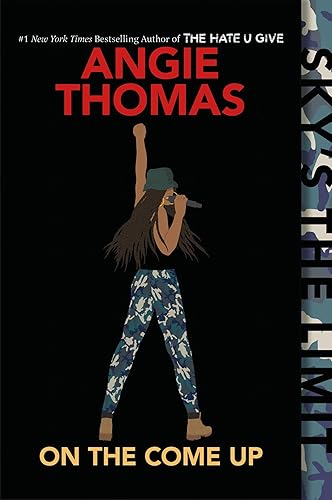
Angie Thomas avoided the "sophomore slump" by pivoting. While her debut was a gut-punch about activism and tragedy, On the Come Up is a more internal, rhythmic story about the cost of a dream. It’s less about the movement and more about the voice. If your teen felt the weight of the world in Thomas's first book, they’ll find this one more focused on the weight of expectations—both from a dead father’s legacy and a neighborhood that expects you to fail.
The Viral Trap
The most relevant hook for a Screenwise parent is how the book handles Bri’s "big break." When her song goes viral, it isn't a celebration; it's a misinterpretation. The media takes her lyrics, strips away the context of her frustration with poverty and school security, and paints her as a threat.
This is a masterclass in discussing digital footprints and media literacy. It’s a perfect companion to our guide on why ‘The Hate U Give’ is the ultimate digital citizenship conversation starter, as it looks at how the internet can turn a person into a caricature in less than 24 hours. Bri’s struggle to reclaim her narrative after the world has already "decided" who she is will resonate with any teen who has ever felt misunderstood online.
Authenticity vs. The "Hoodlum" Brand
Bri is a messy protagonist. She makes bad calls. She leans into a "thug" persona because she thinks it’s the only way to pay the bills and keep the lights on. The book doesn't judge her for it, but it does show the exhaustion of performing for an audience that only wants to see your worst traits.
If your kid is already exploring coming-of-age books by women of color, they’ll appreciate that Bri isn't a "perfect" victim or a "perfect" hero. She’s a 16-year-old who is hungry—literally, the "empty fridge" scenes are visceral—and desperate. The tension between her real self and her stage persona is the most compelling part of the story.
The Friction Points
You should know that the scene involving school security is intense. It’s a grounded, terrifying depiction of how "safety" measures in schools can feel like state-sanctioned violence to Black students. It’s the kind of moment that sticks with a reader long after the book is closed.
The language is also unapologetically raw. According to Common Sense Media, the profanity is frequent, but it’s never gratuitous. It’s the language of the battle rap circuit and the streets Bri calls home. If you try to sanitize this book, you lose the very authenticity that makes it a New York Times bestseller.
How to Think About the Movie
The Paramount+ adaptation (2022) is a solid companion, but the book’s internal monologue is where the real magic happens. The way Thomas describes the physics of a rap battle—the way words click together under pressure—is something a camera can’t quite capture.
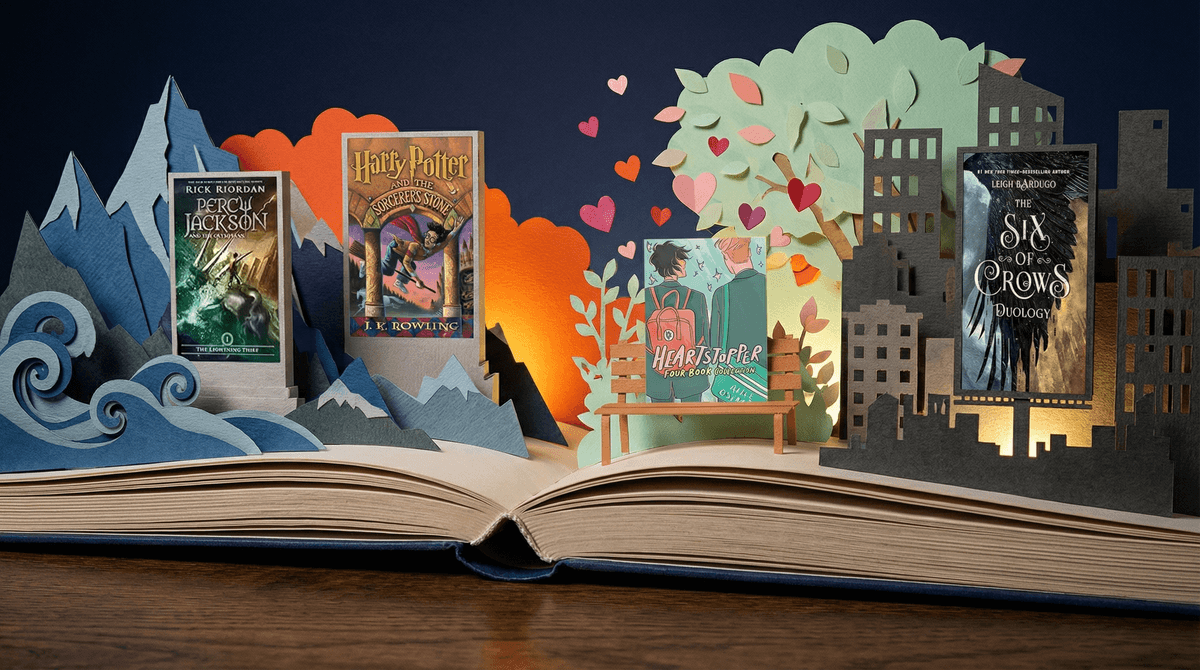
If your teen is looking for their next obsession after finishing the best teen book series to read, this is a phenomenal standalone that feels like a complete world. It’s a "love letter to hip-hop" that doesn't ignore the genre's complicated relationship with the industry and the media. It’s a loud, proud, and necessary read for any teen trying to find their own rhythm in a world that keeps trying to cut the music.