The visual palate cleanser
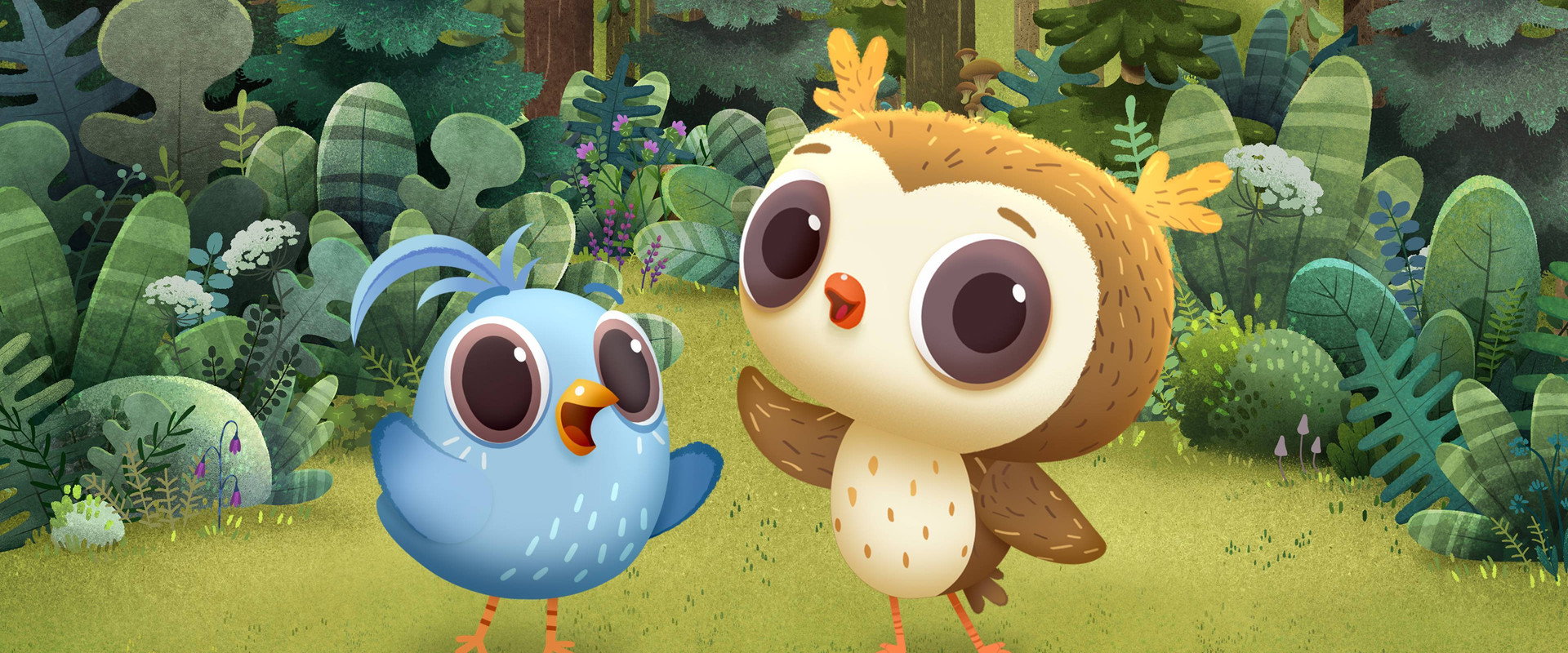
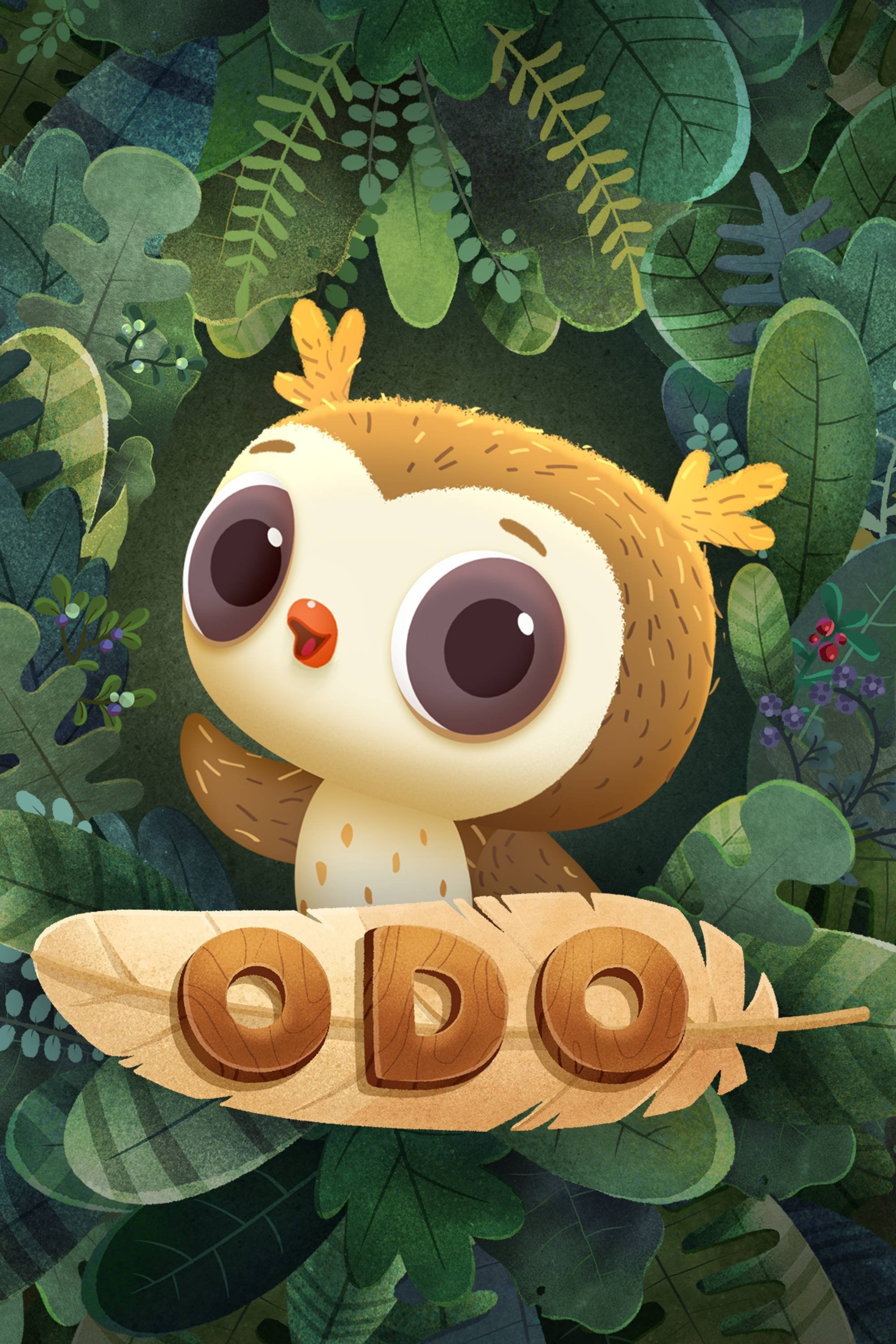
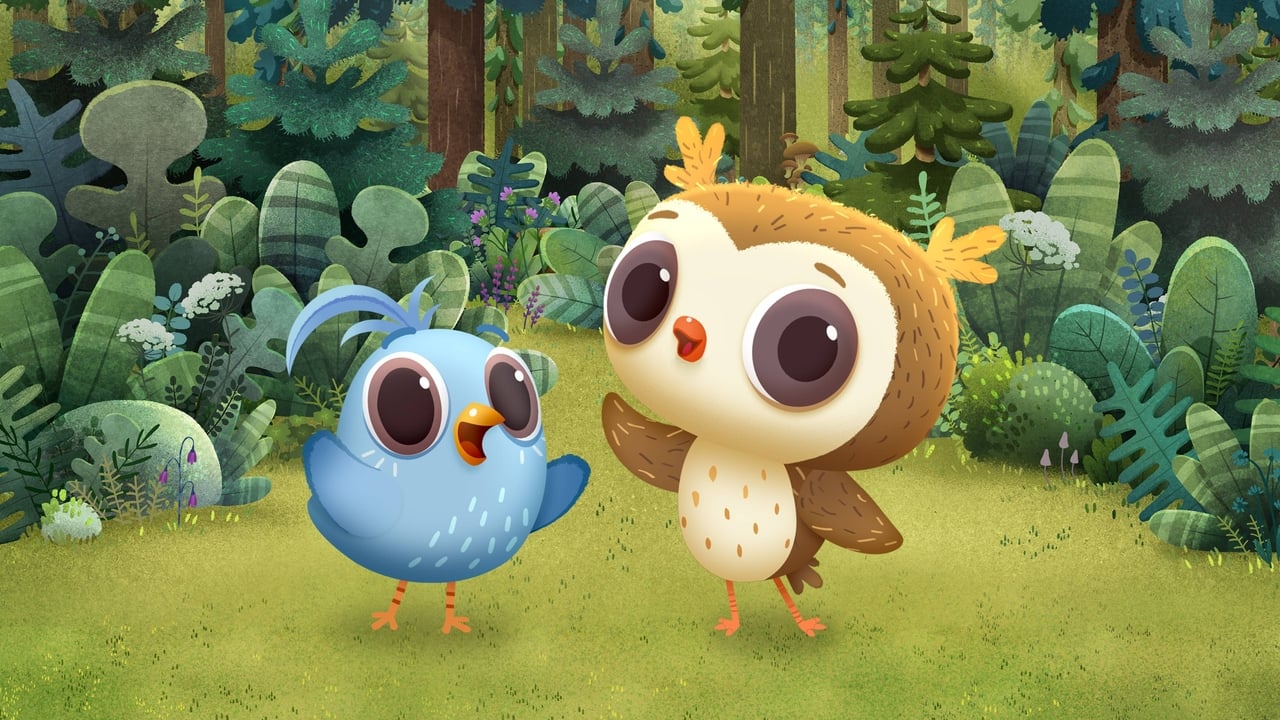
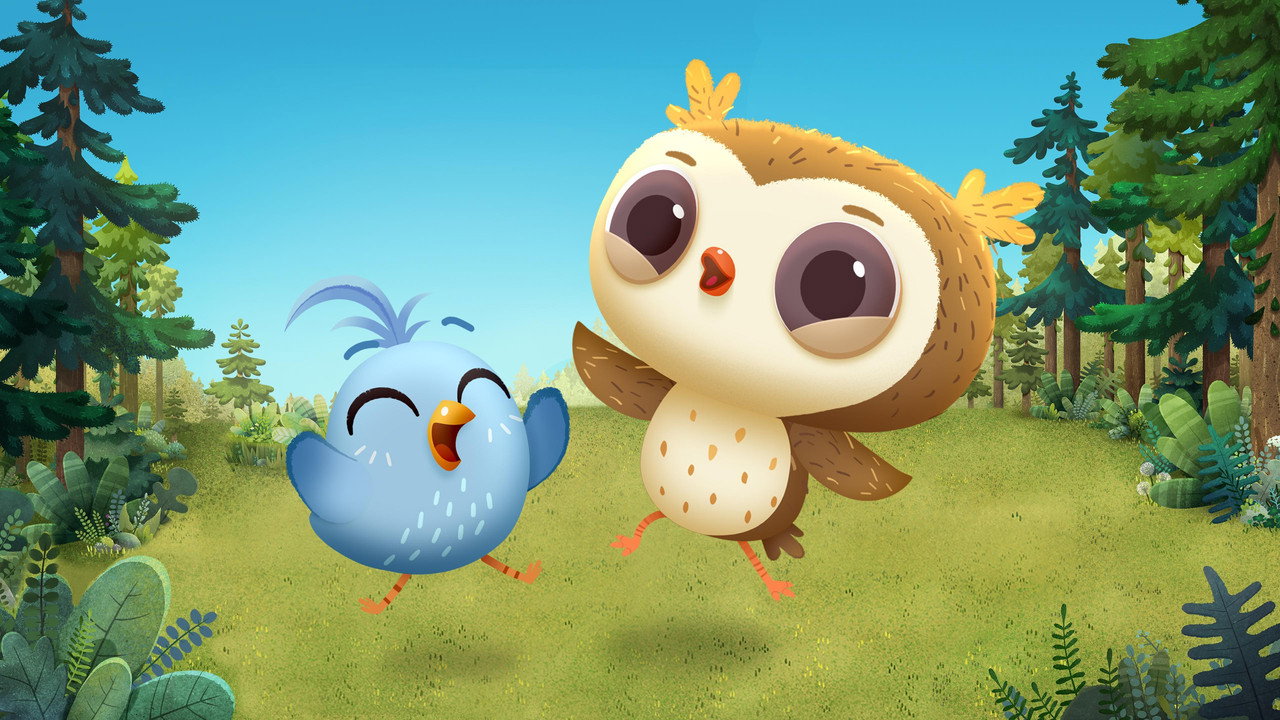
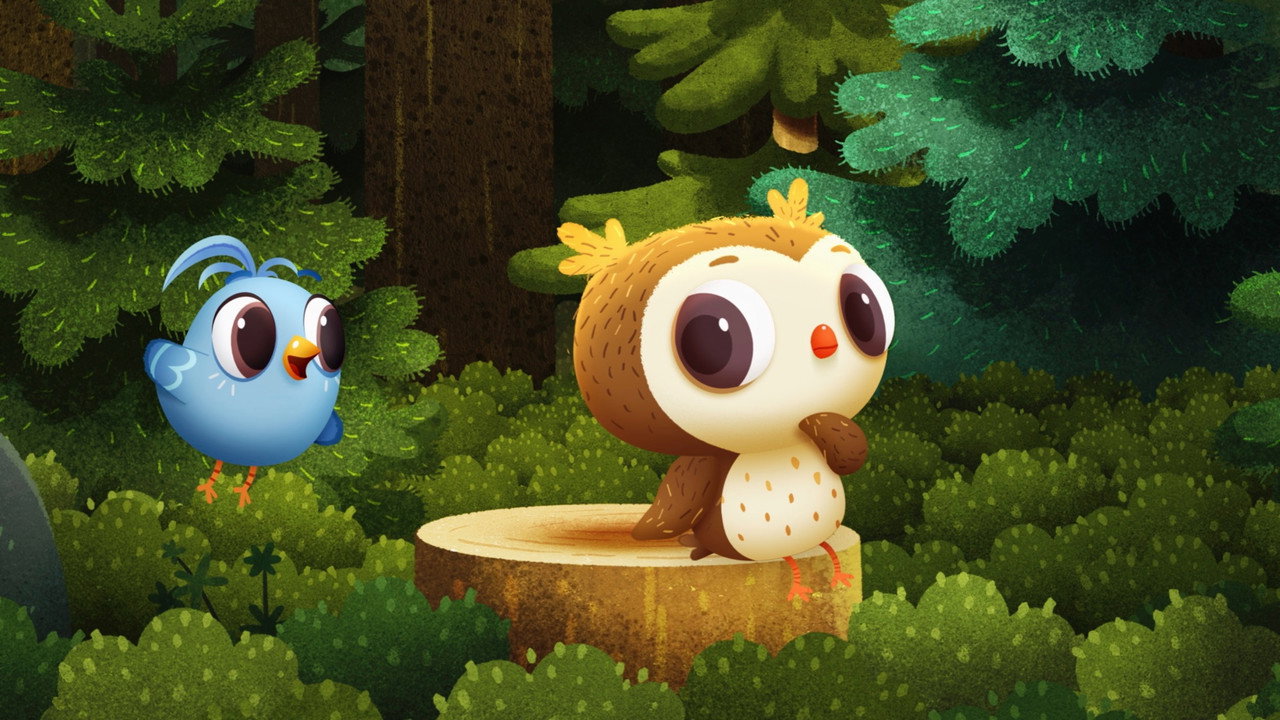
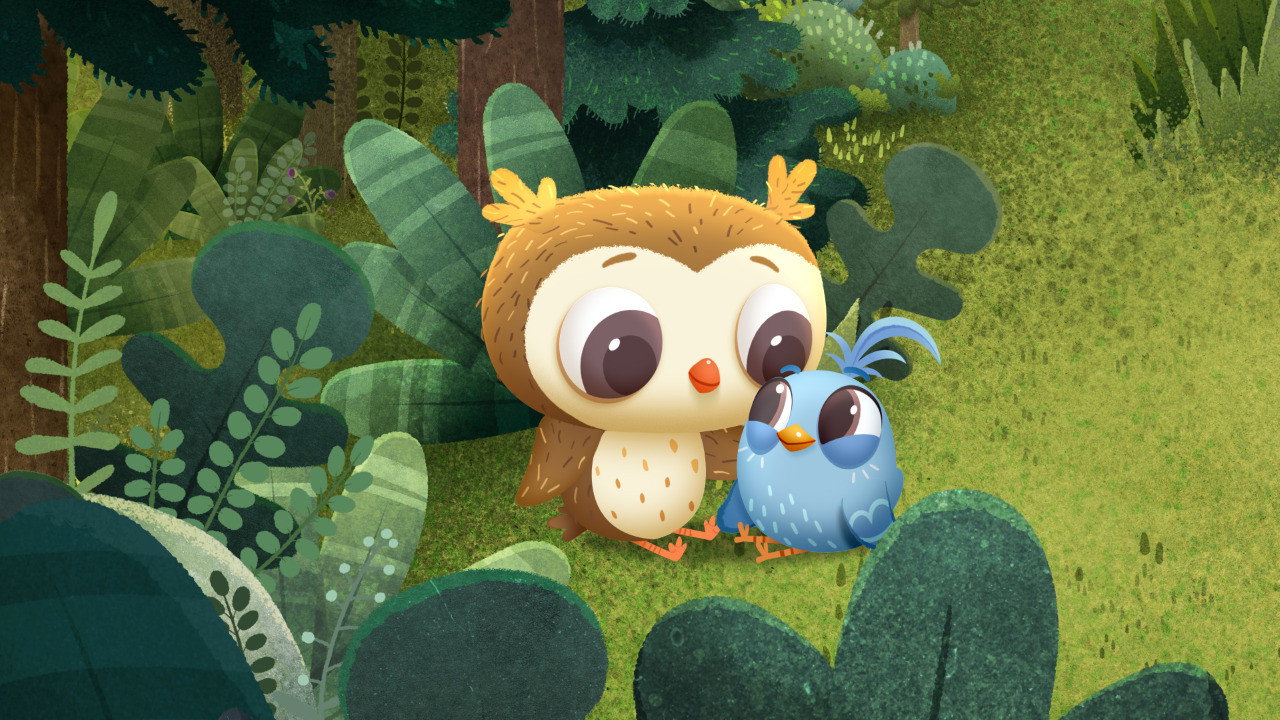
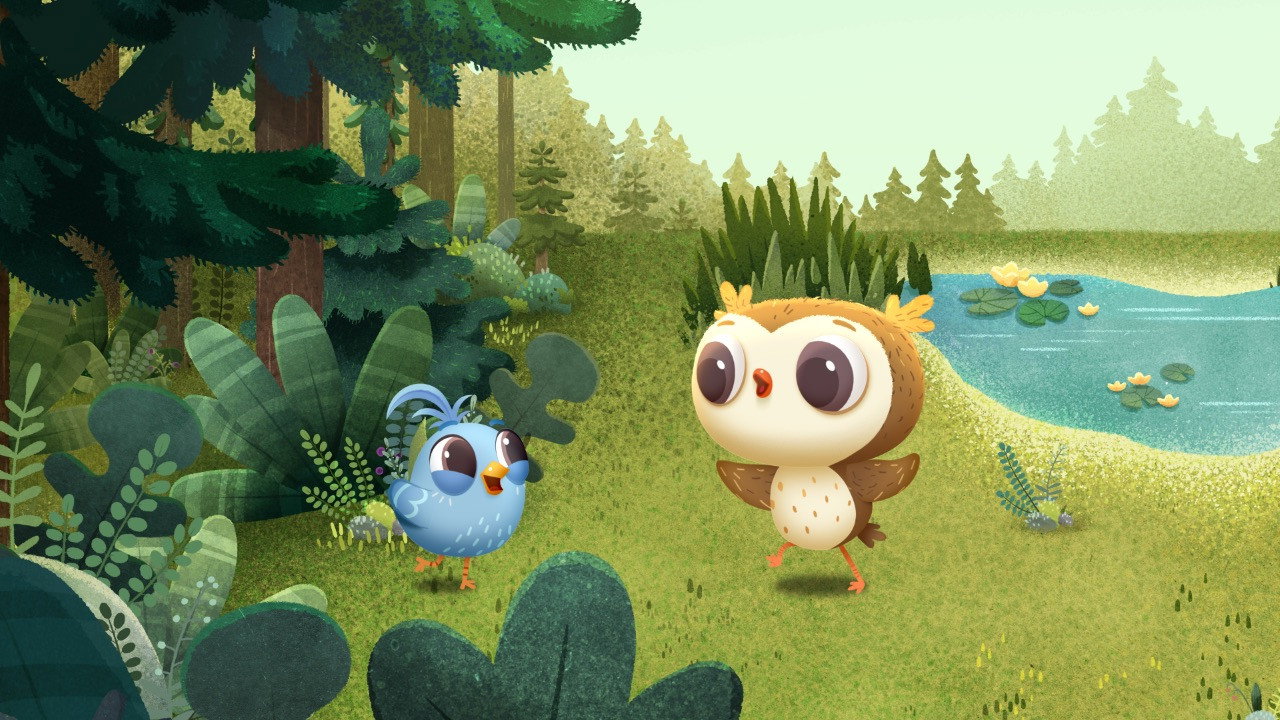
If you’ve spent any time in the trenches of modern preschool programming, you know the specific headache caused by the "neon-slop" aesthetic—shows that look like they were rendered in a factory and edited by someone on a caffeine bender. Odo is the literal antidote to that. The animation has a gorgeous, tactile quality that feels more like a high-end picture book than a digital file. It uses a 2D-style that looks like paper cutouts or felt, which gives the Forest Camp a warmth that’s missing from the generic 3D CGI dominating most streamers.
This isn't just an aesthetic choice; it's a functional one. For parents trying to avoid the "zombie stare" that comes with high-intensity editing, this is a cornerstone of the 7 best low-stimulation shows for toddlers in 2026. It manages to hold a three-year-old’s attention through charm and character rather than loud noises and screen-shaking transitions.
Navigating the platform
There is a specific friction point for some families here: the show lives on Angel Studios. Given that platform’s reputation for faith-based blockbusters, some parents might go in expecting a sermon. You won't find one. While the show clearly prioritizes kindness and community, it functions as a secular social-emotional learning tool.
Think of it as a "values-first" show rather than a religious one. It focuses on the internal life of a preschooler—the frustration of being too short for a game, the anxiety of making a mistake in front of friends, and the resilience needed to try again. If your household is already navigating the Angel Studios app for other content, this is the easiest "yes" on the platform. If you aren't, the quality of Odo is a compelling reason to actually download it.
The Puffin Rock successor
If your kid has already cycled through every episode of Puffin Rock or Trash Truck and you need something with that same gentle frequency, Odo is your next move. It hits that sweet spot where the stakes feel massive to a toddler (like building a birdhouse) but remain entirely stress-free for the adult sitting on the couch next to them.
The show excels at depicting a "growth mindset" without using the annoying corporate terminology. Odo is the smallest bird at camp, and the show doesn't shy away from the fact that being small can be annoying. He isn't a magical superhero; he’s just a kid with a lot of ideas who refuses to be sidelined. It’s a great choice for the "I can do it myself" phase of parenting, providing a protagonist who models how to handle the inevitable "no, you can't" moments of early childhood.
How to watch it well
Because the episodes are short and the pacing is intentional, this is a prime candidate for the "one more before bed" slot. Unlike high-octane shows that leave kids revved up and demanding more, the forest setting and soft color palette of Odo tend to downshift a child’s energy level.
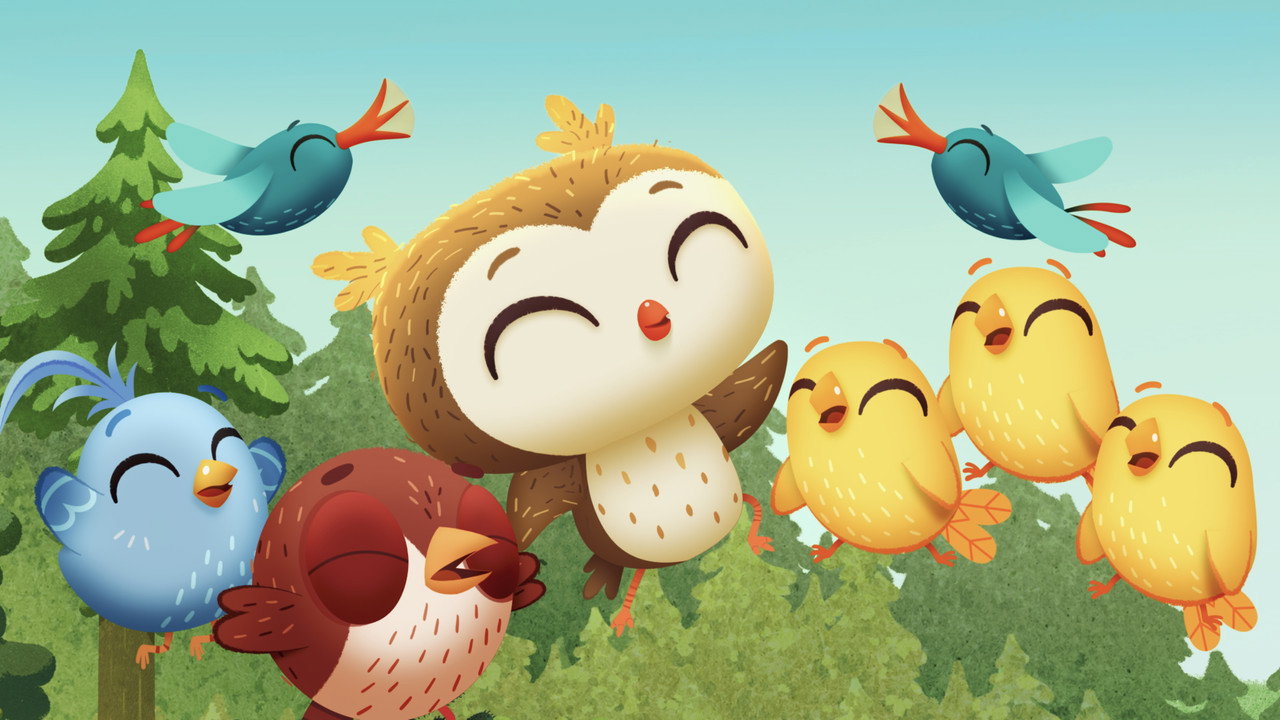
It’s also worth noting that the supporting cast of birds—from the preening peacocks to the nervous chickens—provides a surprisingly good template for talking about different personalities. You can use the various campers to help a kid identify their own friends' quirks without it feeling like a homework assignment. It’s a rare show that treats the social dynamics of a forest camp with the same seriousness that a toddler treats the playground.