The 70-minute stretch
If your household is already in an Octonauts phase, you know the standard 11-minute episode format is a perfect "one more before bed" unit of currency. Stretching that out to over an hour for a feature film usually results in a lot of filler or a weirdly high-stakes plot that breaks the show’s internal logic. Caves of Sac Actun avoids that trap. It feels like a high-budget expedition rather than a padded-out episode.
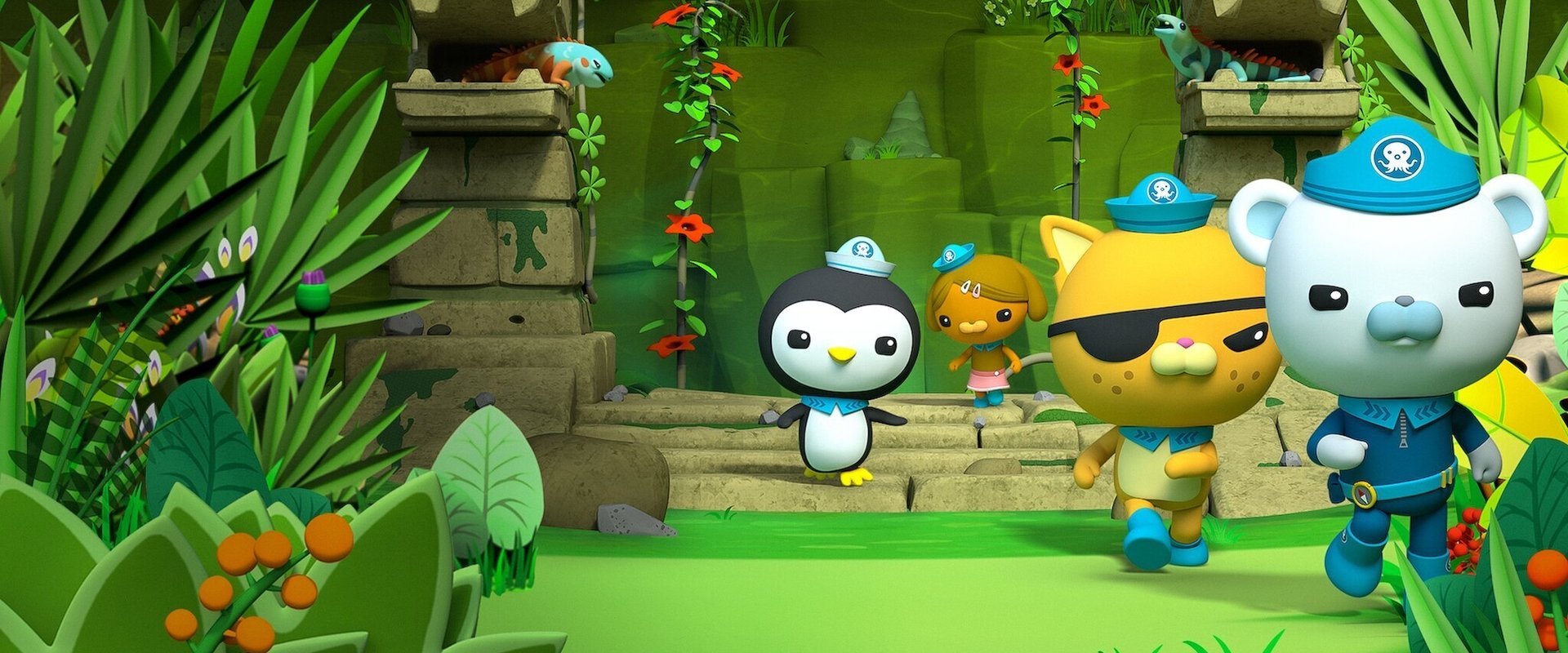
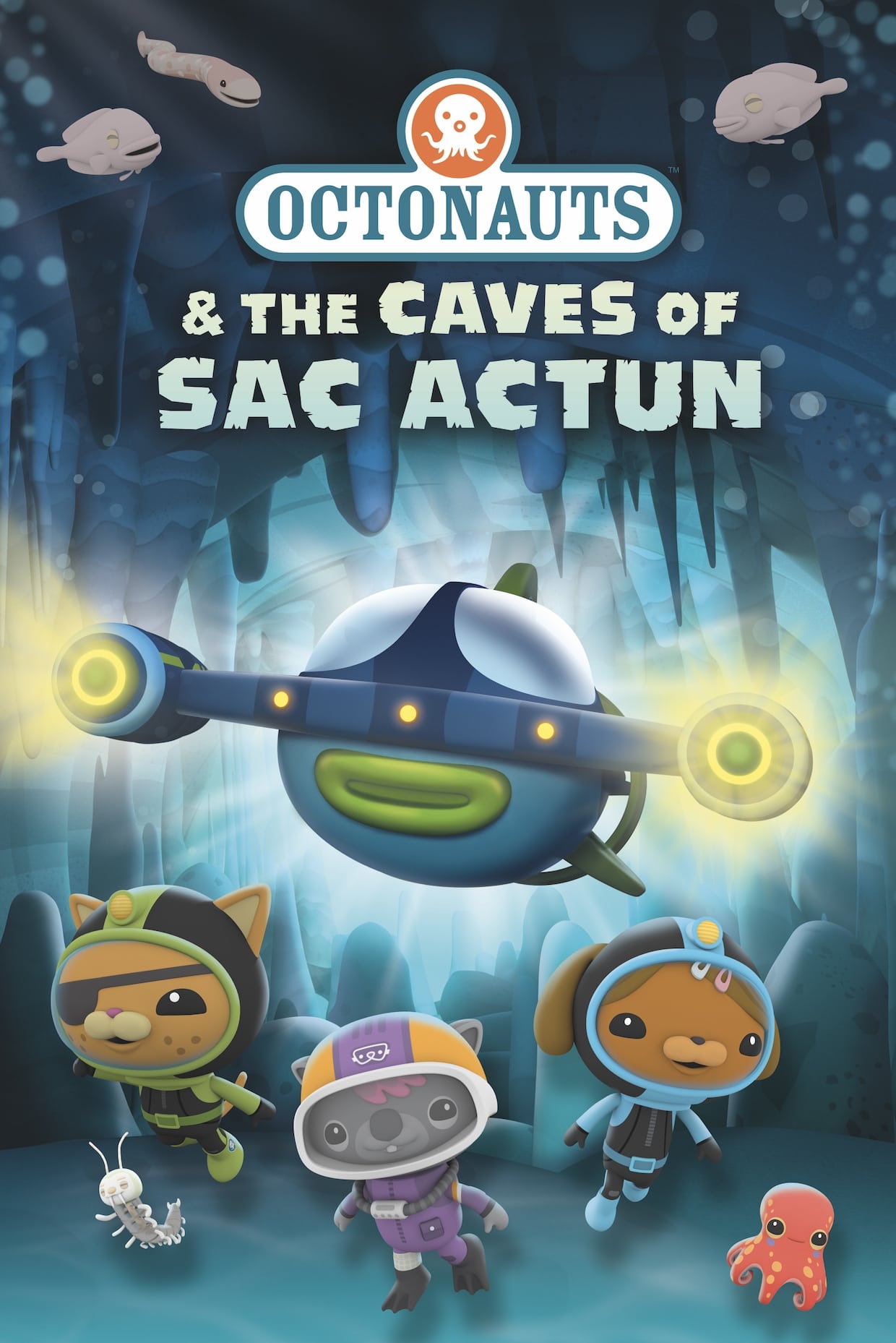
The pacing is deliberate. Instead of the usual "creature of the week" formula, we get a sustained look at a single, complex ecosystem: the cenotes of Mexico. For a kid, the shift from open-ocean adventure to the tight, bioluminescent corridors of an underground cave system is a massive aesthetic upgrade. It’s moody, slightly eerie, and visually stunning in a way that most preschool animation doesn't even attempt.
Not your average "rescue" show
Most parents are used to the Paw Patrol style of problem-solving, where a gadget fixes a crisis in thirty seconds. This movie is different because the "villain" is just physics. The Octonauts aren't fighting a bad guy; they’re fighting a depleting air supply and a confusing map. It’s a great way to introduce the concept of resourcefulness without a preachy moral at the end.
If you’ve spent any time with the series, you know the crew’s dynamic is essentially a high-functioning workplace comedy. In this movie, that teamwork is the whole point. If you’re looking for more context on how the show manages to be so educational without being annoying, check out our Parent’s Guide to Octonauts. It’s basically the gateway drug to marine biology for the under-seven set, and this movie is the peak of that obsession.
The "smart kid" friction
There is a minor geographical error early on—the Octopod is positioned on the Pacific side of Mexico while they talk about the Caribbean—which might annoy you if you’re looking at a map, but your four-year-old won't care. What they will notice is the tension.
The "mild peril" here is real. Being lost in the dark is a primal fear, and the movie leans into that just enough to keep things interesting without causing a meltdown. If your child is particularly sensitive to claustrophobia or the idea of being trapped, you might want to stay close for the middle act. However, the payoff is a genuine sense of discovery that feels earned.
Why it works for you
The best thing about this movie is that it doesn't pander. It assumes the audience is smart enough to learn what a "halocline" is (the blurry layer where fresh and salt water meet) while watching a polar bear drive a submarine. It’s a "background movie" you won't actually mind watching. The soundtrack is surprisingly chill, the colors are easy on the eyes, and the dialogue isn't filled with the high-pitched screaming that defines so much modern kids' media. It’s a sophisticated choice for a rainy Saturday afternoon.