The "Just Right" level of spooky
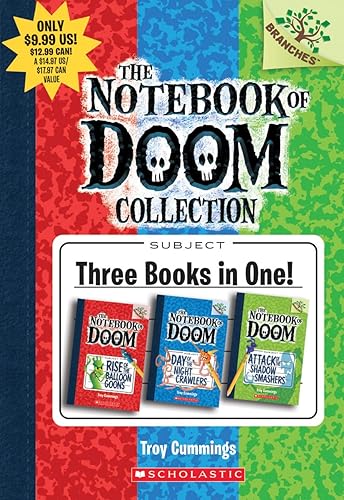
If your kid is graduating from picture books but isn't quite ready for the existential dread of Goosebumps, Troy Cummings has built the perfect halfway house. The Notebook of Doom works because it understands a very specific psychological window: the age where kids want to feel "edgy" and "brave" without actually losing any sleep.
The monsters here—like the balloon goons—are the highlight. They aren't eldritch horrors; they are twisted versions of everyday objects. This makes the "scary" elements feel like a game rather than a threat. For a first or second grader, being part of the Super Secret Monster Patrol (S.S.M.P.) feels like an invitation to an exclusive club. It’s a low-stakes way to introduce the concept of a "monster of the week" procedural, which is a great setup for transitioning from picture books to chapter books later on.
Why the "Branches" branding matters
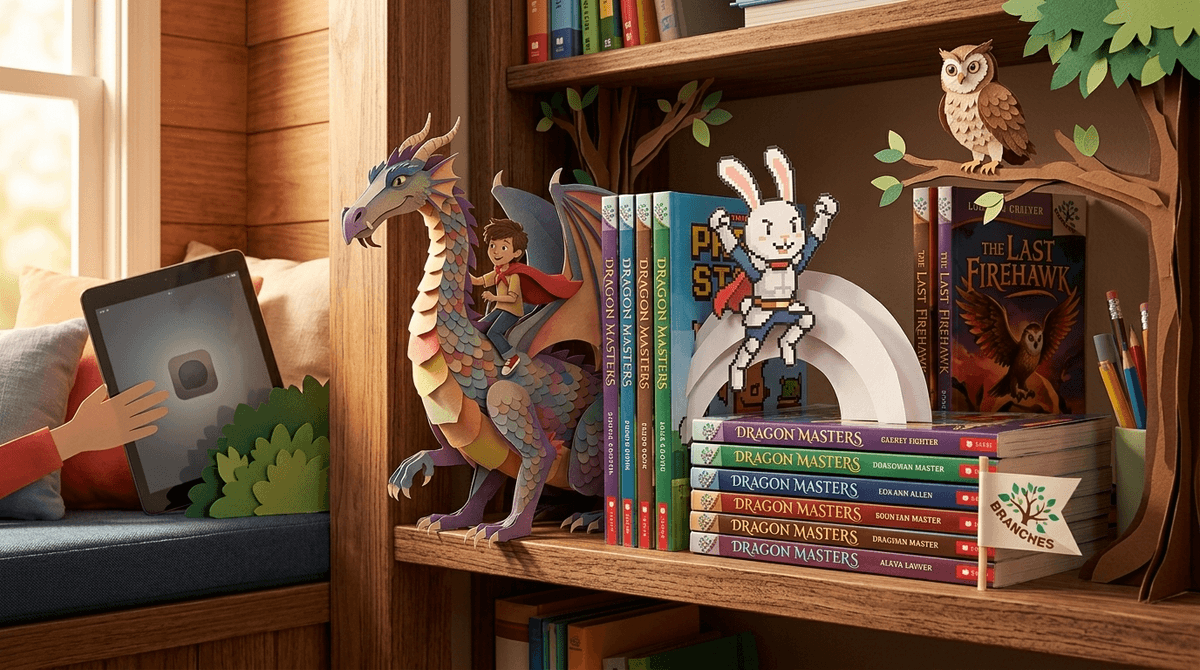
You’ll see the Scholastic "Branches" logo on the spine, and for once, a marketing label actually tells you something useful. These books are engineered for stamina. If you have a child who looks at a wall of text and immediately asks for an iPad, this series is a lifeline.
Every page has an illustration. The sentences are punchy. The cliffhangers at the end of chapters are blatant, but they work. It’s designed to give a kid that hit of dopamine that comes from finishing a chapter—and then a whole book—entirely on their own. If you’re trying to find books for reluctant readers who find traditional prose boring, the heavy visual lifting here makes the act of reading feel less like a chore and more like a comic book.
The "Fast Food" of early reading
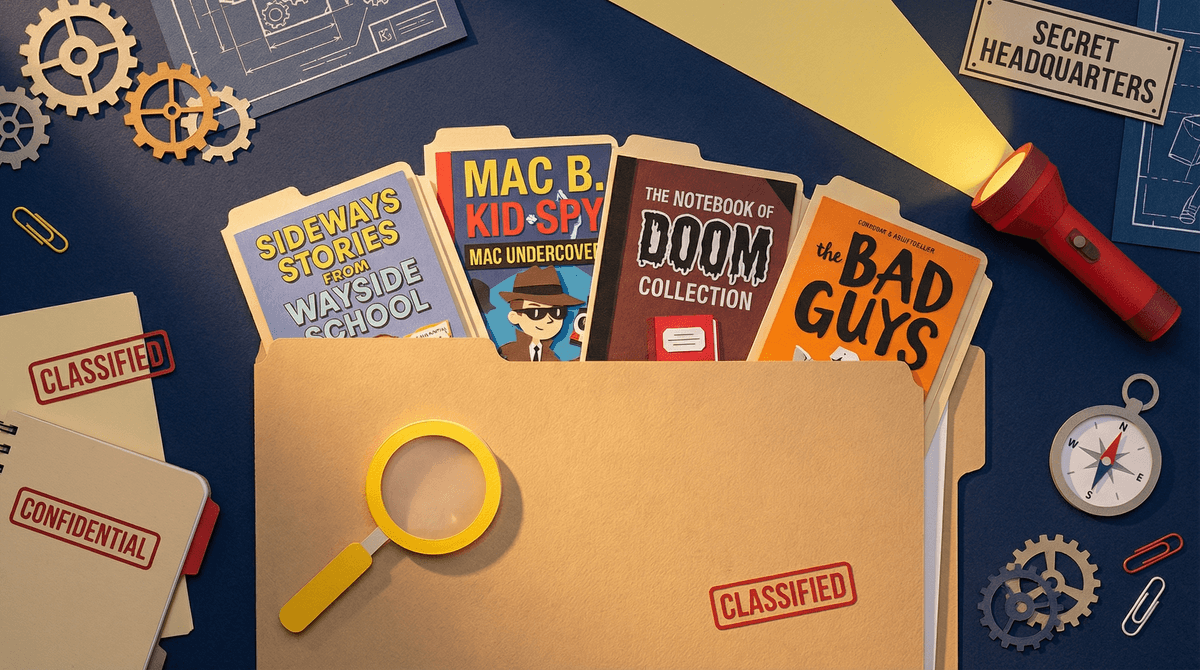
Let’s be real: this isn't high art. The characters like Rip and Nikki are a bit thin, and the plots follow a very predictable beat-for-beat rhythm. Some critics find it a bit "wacky" to a fault, and they aren't wrong. If you’re looking for the soul of Frog and Toad or the wit of Mac Barnett’s spy stories, you won't find it here.
But not every book needs to be a classic. The Notebook of Doom is the literary equivalent of a solid Saturday morning cartoon. It’s fast, it’s colorful, and it’s effective. It builds the "reading muscle" so that when they eventually get to more complex middle-grade novels, they aren't intimidated by the format.
How to use this collection
Since this specific edition bundles the first three adventures (Rise of the Balloon Goons, Day of the Night Crawlers, and Attack of the Shadow Smashers), it’s the best way to test the waters.
- The "I Can Read" Test: If your kid can get through the first ten pages without asking you what a word means more than once or twice, they’ve found their level.
- The Drawing Hook: If your kid likes to doodle, the "notebook" conceit is a great prompt. After finishing a book, ask them what monster they’d draw in their own notebook.
It’s a serviceable series that hits its target demographic with surgical precision. It won't change their life, but it might just turn them into a "reader."