The "Slow Cinema" Vibe Check
If your kid’s media diet consists mostly of hyper-caffeinated YouTube shorts or the high-energy chaos of something like The Casagrandes Movie, this film is going to feel like a meditation session. It’s part of a genre called iyashikei, which translates roughly to "healing." The goal isn't to overstimulate; it’s to lower your heart rate.
The plot doesn't move through big action set pieces. Instead, it drifts through rural Japanese landscapes and quiet conversations. It’s the kind of movie where the sound of wind in the trees or the clinking of a tea cup matters as much as the dialogue. If you try to force a kid who needs constant dopamine hits to watch this, they’ll be checked out by the ten-minute mark. But for a kid who likes to linger on details or who has a high emotional IQ, it’s a rare find that respects their intelligence.
No Homework Required
You might see that this movie is part of a long-running franchise and worry about the "Marvel effect"—the feeling that you need to watch six seasons of television to understand why the cat is talking. Fortunately, this story is remarkably self-contained.
The film takes five minutes to establish the baseline: Natsume can see spirits (Yokai), he has a book of their names that gives him power over them, and he spends his time giving those names back to set the spirits free. That’s all you need. The movie focuses on a specific, isolated mystery involving a woman named Yorie and her son. Because the stakes are so personal and grounded, you don't need a wiki open on your lap to follow the emotional arc.
The Triple-Cat Factor
While the movie deals with some heavy themes—specifically the idea of being forgotten and the loneliness of being an outsider—it has a built-in safety valve for the mood: the Triple Nyanko-sensei.
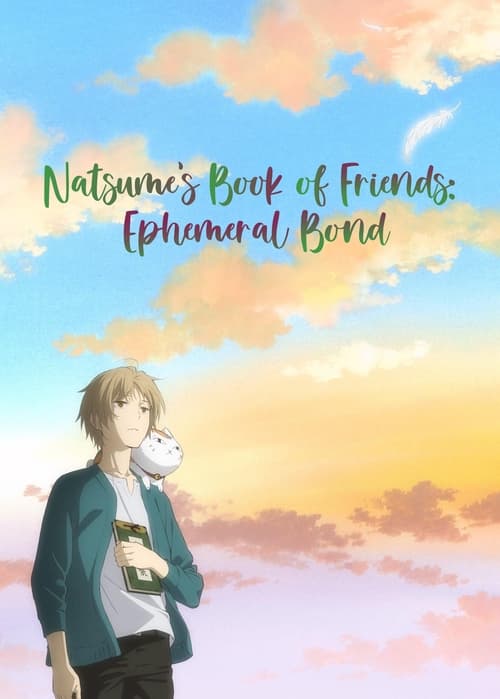
The protagonist’s "bodyguard" is a powerful spirit trapped in the body of a lucky cat. When he eats a weird fruit and splits into three tiny, clumsy versions of himself, the movie leans into physical comedy. These segments are genuinely funny and keep the film from becoming too melancholic. It’s a smart bit of pacing that gives younger viewers something to root for while the adults are busy processing the bittersweet ending.
Why the "Temporal World" Matters
The title isn't just flavor text. The movie is obsessed with the idea that things don't last. Spirits live for centuries; humans live for decades. The "temporal" bonds are the ones that are destined to break.
This leads to a climax that is less about defeating a villain and more about accepting a loss. It’s a sophisticated take on grief that doesn't feel manipulative. If you’re deciding whether to head to the cinema or stay home, consider that this is a "couch movie." While the art is beautiful, the intimacy of the story benefits from a quiet living room where you can actually talk about the ending afterward. If you're debating the cost of a theater outing versus a home rental, this is one where the home environment actually wins for the sake of the conversation it starts.