The Digital Transition
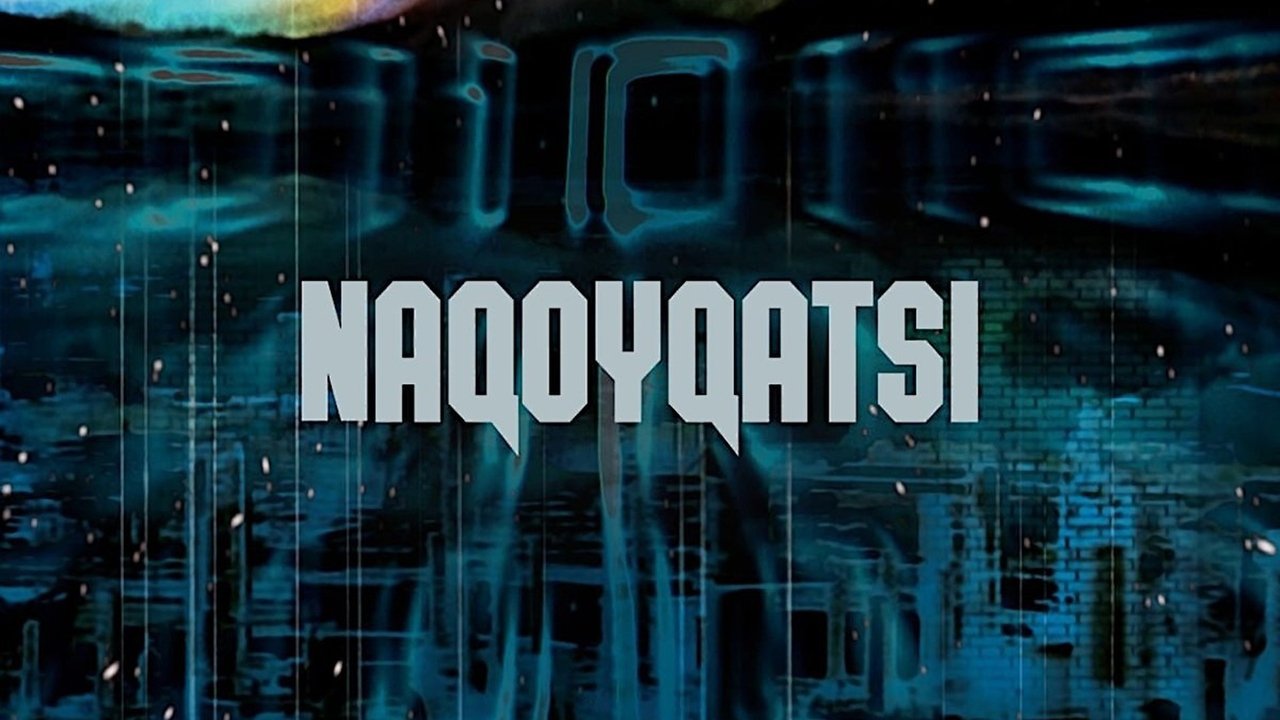
When Godfrey Reggio released Koyaanisqatsi in 1982, he showed us 'life out of balance' by filming nature and cities with breathtaking clarity. By the time he got to Naqoyqatsi in 2002, the world had moved indoors and online. The shift in style is intentional: the movie looks 'fake' because it’s about a world that is increasingly mediated by screens and software.
For a modern kid, some of the visuals might look like 'bad CGI,' but that's actually a great jumping-off point for a conversation. You can talk about how much the digital landscape has changed between 2002 and 2026. The film explores 'civilized violence'—not just literal war, but the way technology can be aggressive toward our attention and our humanity.
Listening as Literacy
This is a prime example of why we say literacy is multi-stranded. Watching this movie requires a high level of language comprehension and visual reasoning. There are no words to decode, but the kid has to decode the relationship between the cello solos and the images of microchips and athletes. It’s a workout for the brain that most blockbuster movies don't provide.
If you're going to watch it, do it on the biggest screen you have with the best speakers. This isn't a 'laptop in the background' movie. It’s a 'lights off, phones away' immersive experience. It might not be their favorite movie ever, but they’ll definitely remember the way it made them feel about their devices.