The Blueprint for the Modern Rom-Com
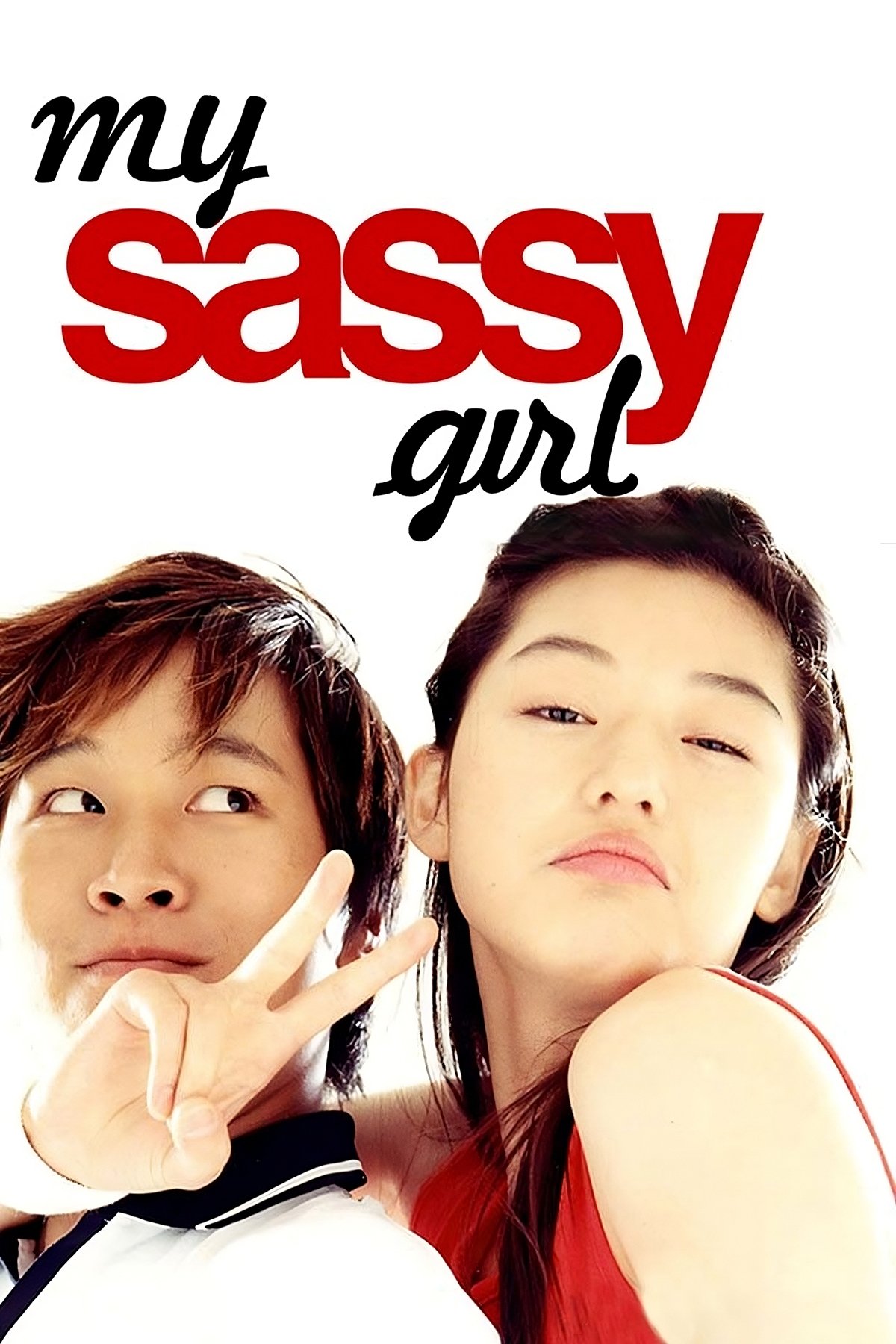
When My Sassy Girl hit theaters in 2001, it didn't just become a hit; it became a cultural phenomenon across Asia. It flipped the script on the traditional 'submissive' female lead in romance, giving us a protagonist who was loud, drunk, aggressive, and deeply flawed. While the 'sassy' archetype has been copied to death since, the original remains the best because it bothers to explain why she is the way she is.
Why it holds up (and why it doesn't)
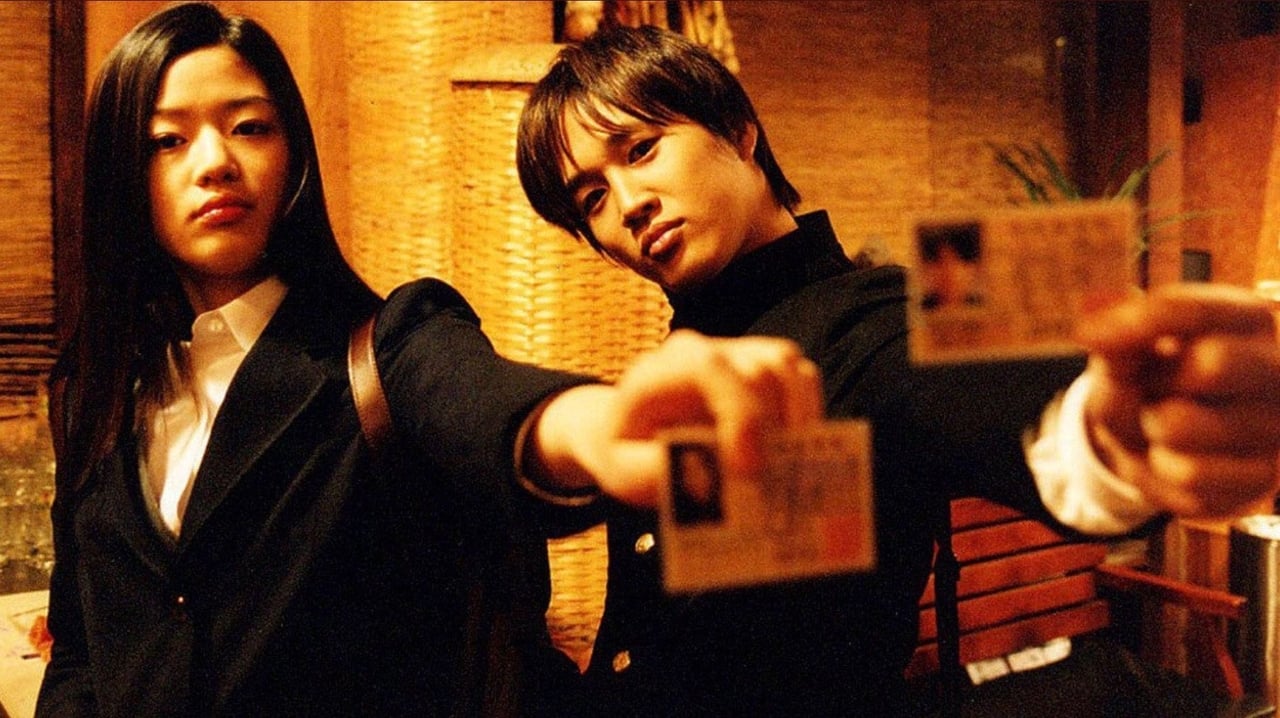
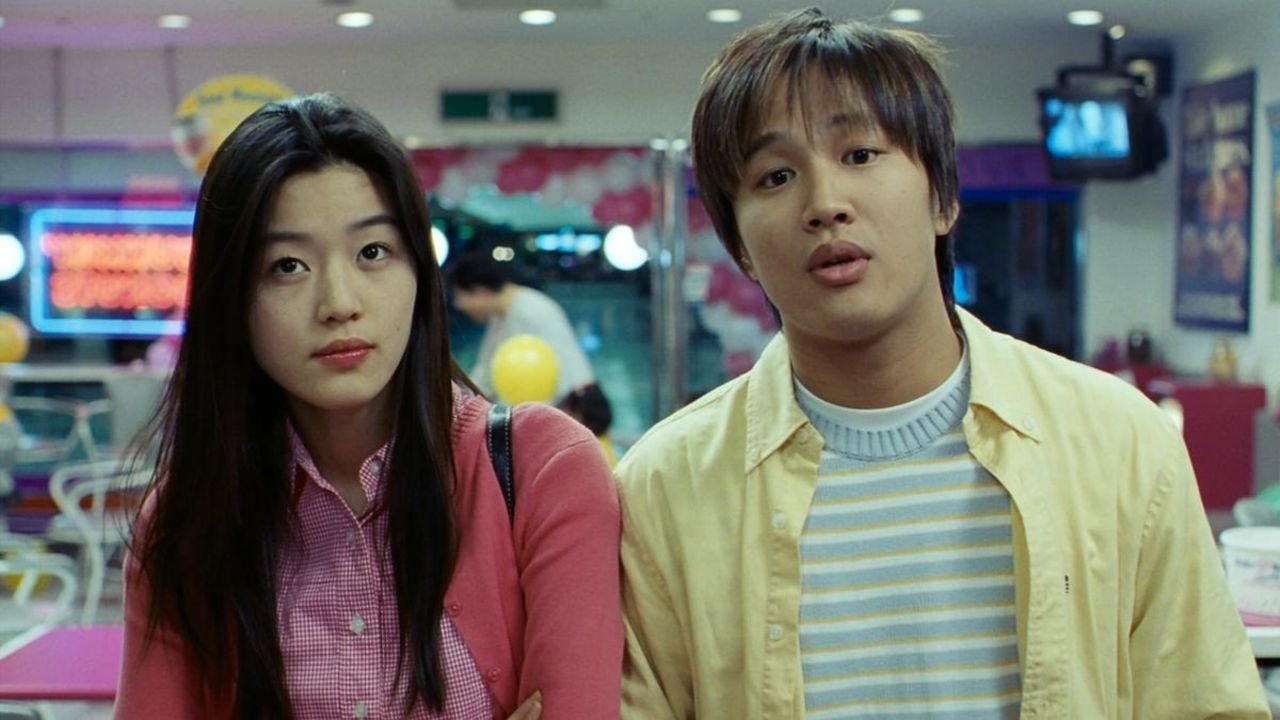
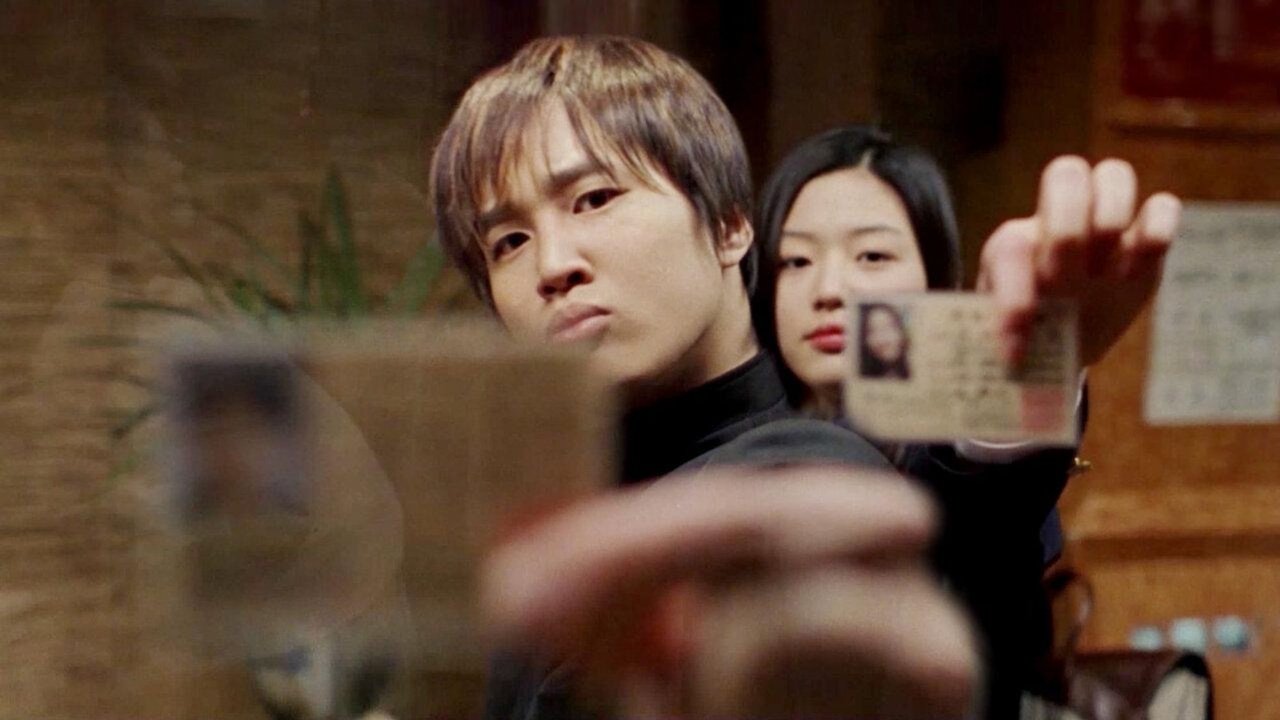
From a visual standpoint, it’s very '2001.' You’ll see old tech and some questionable fashion choices, but the pacing is surprisingly modern. The movie is split into 'parts' (The First Part, The Second Part, and Overtime), which helps keep the episodic nature of their dates feeling fresh.
However, we have to talk about the slapping. In the context of Korean cinema at the time, her hitting him was a subversion of power dynamics. In 2026, it can just look like a toxic relationship. If you're watching this with a teen, it’s worth pointing out that Gyeon-woo’s 'heroism' isn't just taking the hits—it's his patience in seeing that she's in a mental health crisis.
The 'Fate' Factor
The final third of the movie shifts from a wacky comedy into a meditation on destiny. The scene at the tree with the time capsule is one of the most iconic moments in cinema for a reason. It teaches a great lesson about timing: that sometimes you can meet the right person at the wrong time, and you have to build a bridge to get back to them.
If your kid is starting to get into K-Dramas or movies like Past Lives, this is the 'required reading' that started it all.