The "Death-Obsessed" Kid Archetype
Vada Sultenfuss isn't your typical 90s movie protagonist. She doesn't have a magical secret or a wacky adventure; she has a doctor on speed dial and a persistent fear that she’s dying of whatever her father’s "clients" had. If you have a child who is constantly Googling their symptoms or asking existential questions at 9:00 PM, Vada will feel like a revelation.
This isn't a "spooky" movie, but it deals with the proximity of death in a way that feels incredibly grounded. Living in a funeral home makes the macabre feel mundane, which is a fascinating lens for a kid who might be struggling with their own sensitivities. If you’re raising a deep-feeling daughter, this film serves as a solid companion piece to our parent's guide to for the girl who feels too much, validating that being "too much" is often just a byproduct of a big heart and an active imagination.
The Macaulay Culkin Bait-and-Switch
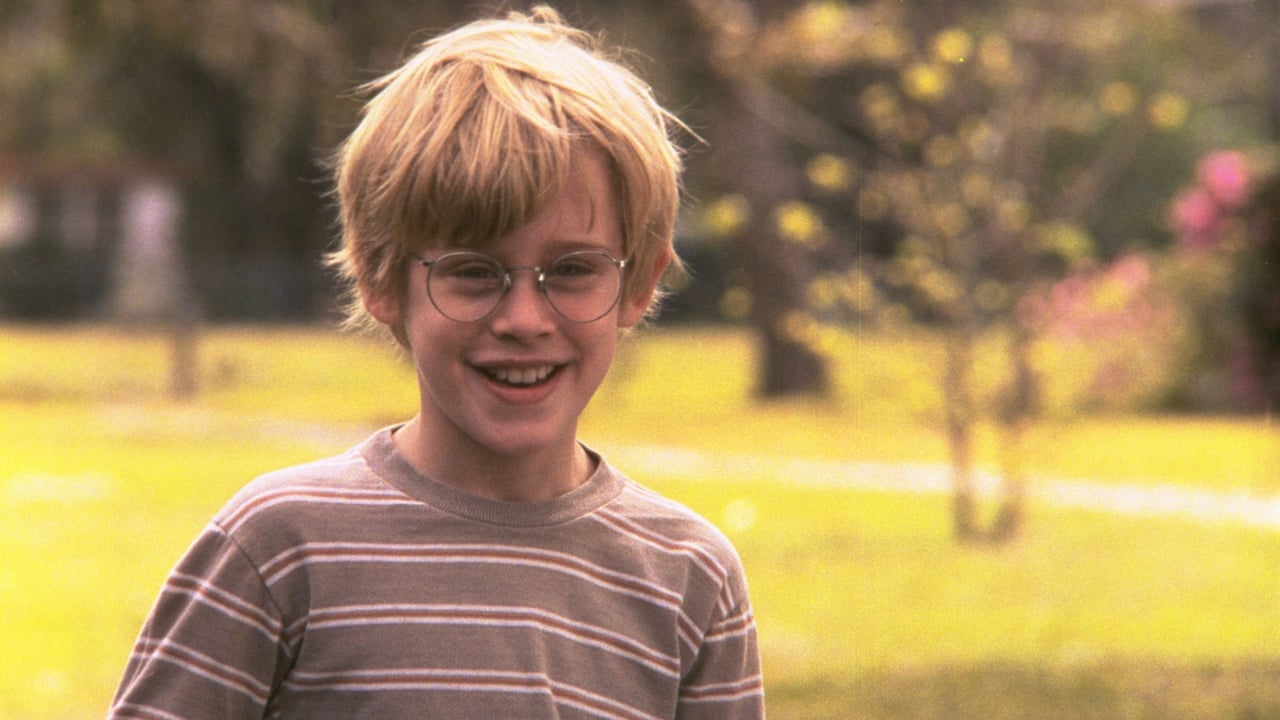
For many parents, the draw here is the cast. You see the kid from Home Alone and assume you're getting slapstick or precocious hijinks. That is a trap. While this film arrived at the height of Macaulay Culkin’s specific brand of childhood fame, his performance as Thomas J. is the polar opposite of Kevin McCallister. He is quiet, vulnerable, and secondary to Vada’s journey.
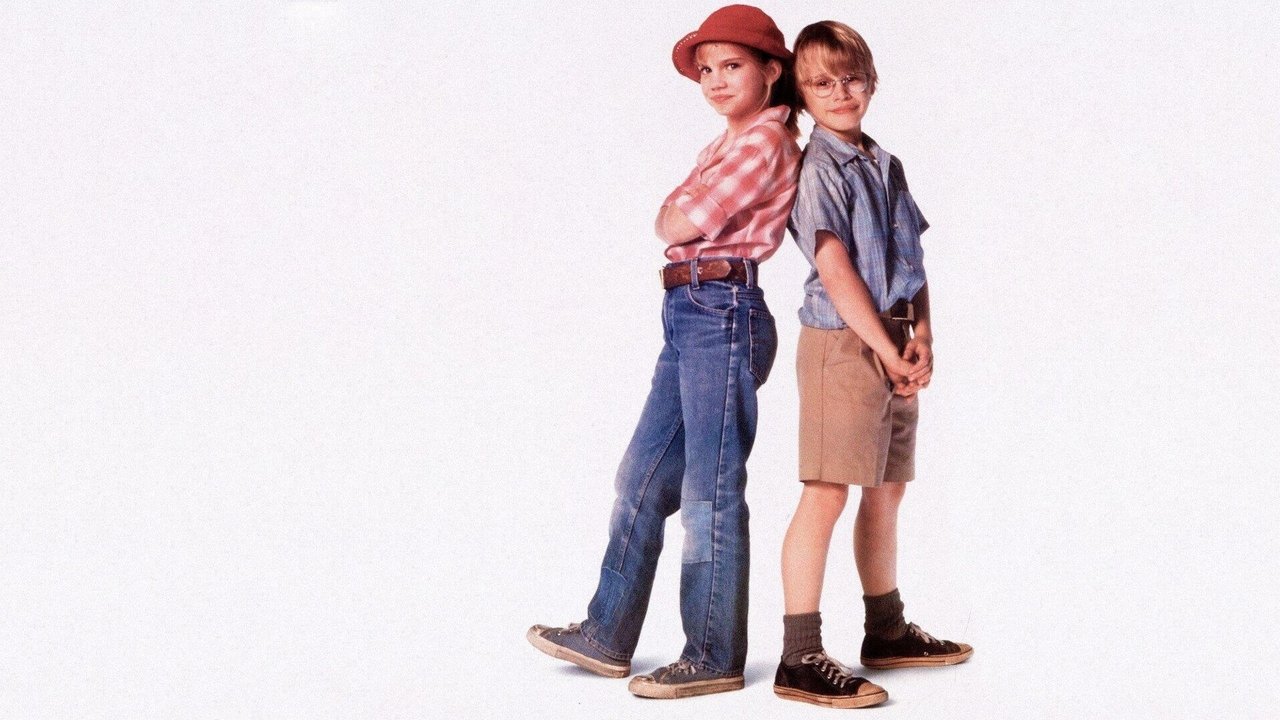
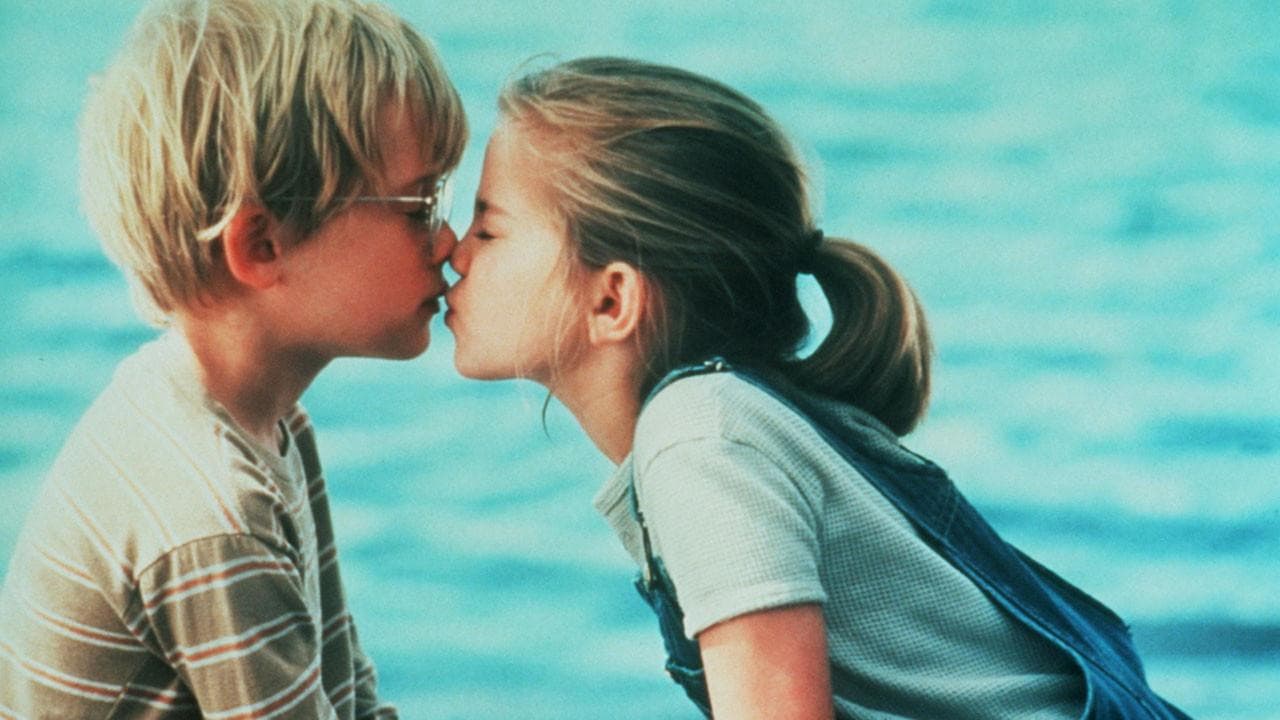
The friendship between the two is the movie’s strongest asset. It’s a rare, successful depiction of a platonic boy-girl bond that doesn't feel forced or overly "shippy." They are just two outsiders clinging to each other in a small town. This makes the eventual tragedy feel personal rather than manipulative. You aren't just watching a character die; you're watching a support system collapse.
Pacing for the TikTok Generation
Be warned: this movie moves at a 1970s-by-way-of-the-90s crawl. There are long stretches of Vada riding her bike, writing bad poetry, and trying to get the attention of her English teacher. For a kid raised on the frantic editing of modern animation or YouTube shorts, the first forty minutes might feel boring.
However, that slow burn is intentional. It builds the summer-break atmosphere so effectively that when the "turn" happens, it feels like the end of childhood itself. If your kid can’t handle a movie where "nothing happens" for a while, this might be a tough sell. But if they can settle into the rhythm, the emotional payoff is significantly higher.
The "Good" Kind of Sad
We often try to shield kids from "bummer" media, but there is a specific utility in a movie that makes you ugly-cry. My Girl doesn't offer a happy ending where everything is fixed; it offers a realistic one where life goes on, just differently.
If your family is currently navigating a loss, or if your child is starting to ask the "big" questions about mortality, using movies to help kids process grief can provide a necessary emotional outlet. It gives them permission to be devastated in a controlled environment. Just make sure you’re actually on the couch with them. This is not a "set it and forget it" movie—you are the designated emotional lifeguard for this one.