The sensory detox your kid doesn't know they need
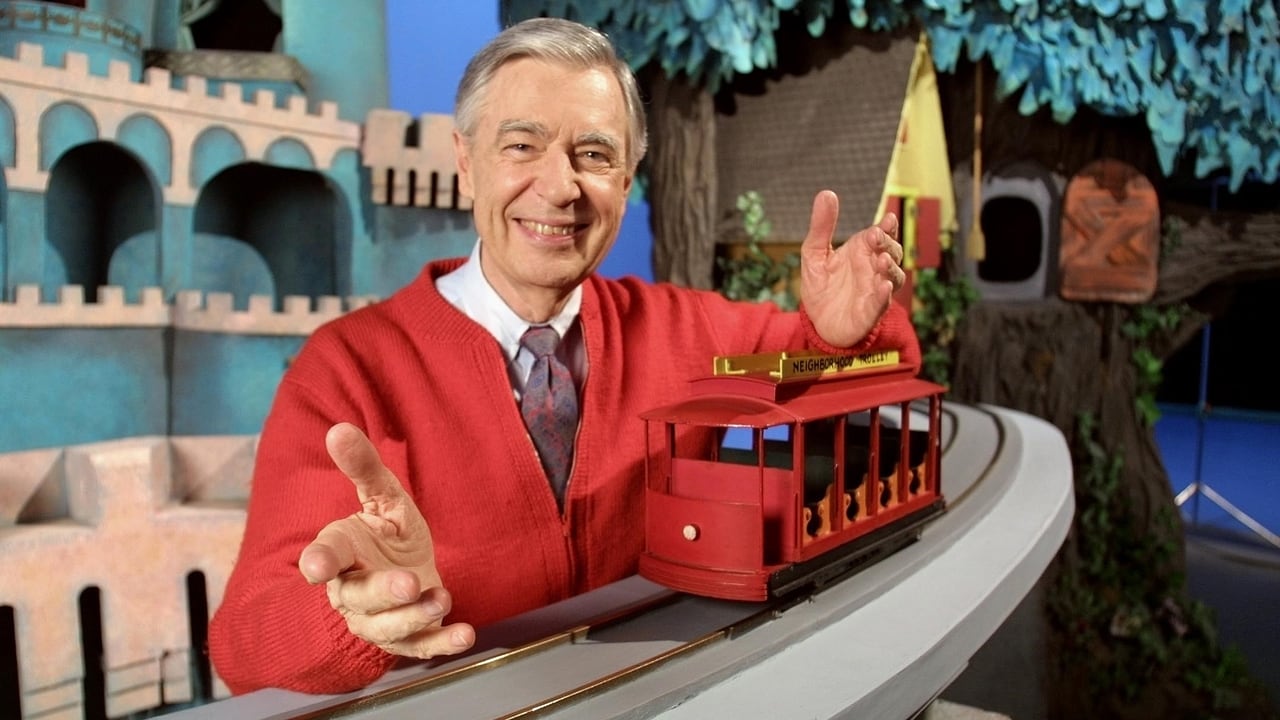
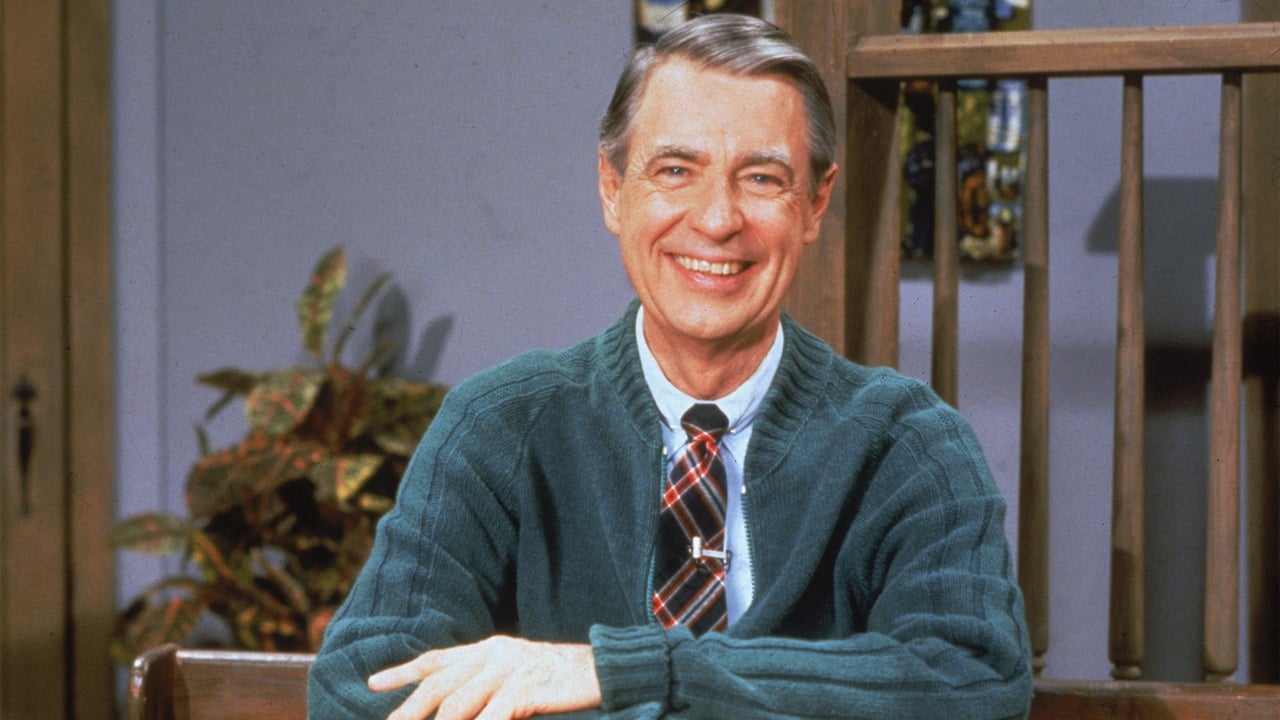
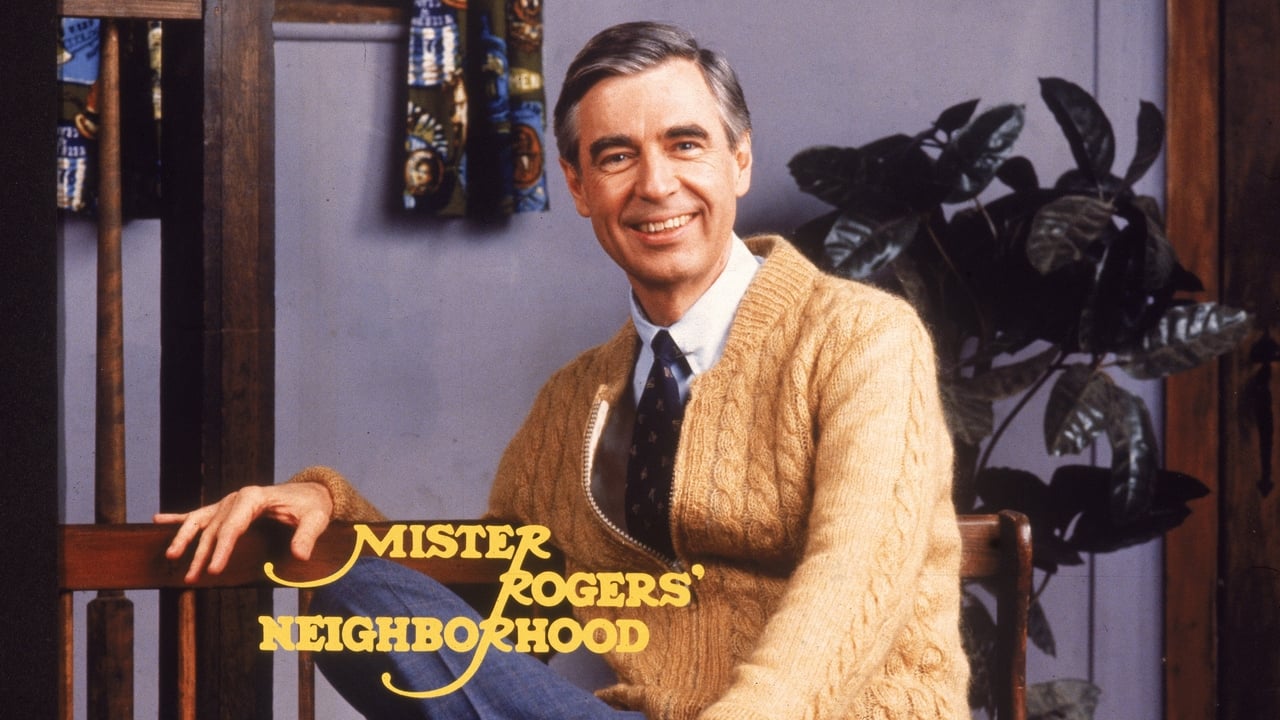
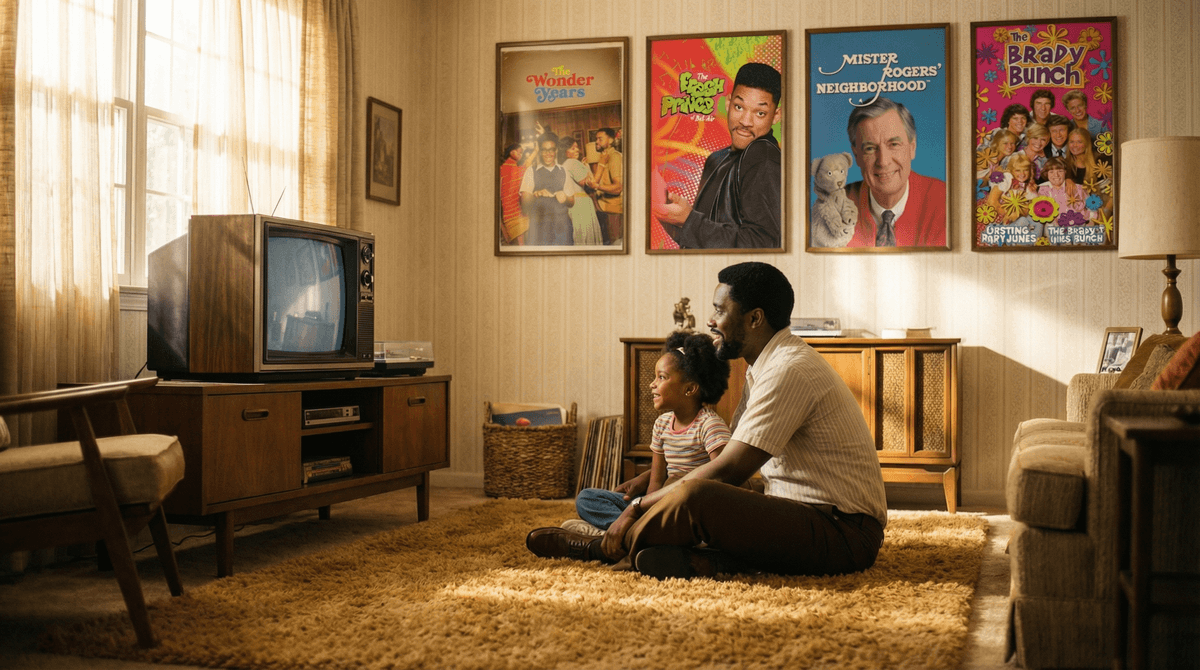
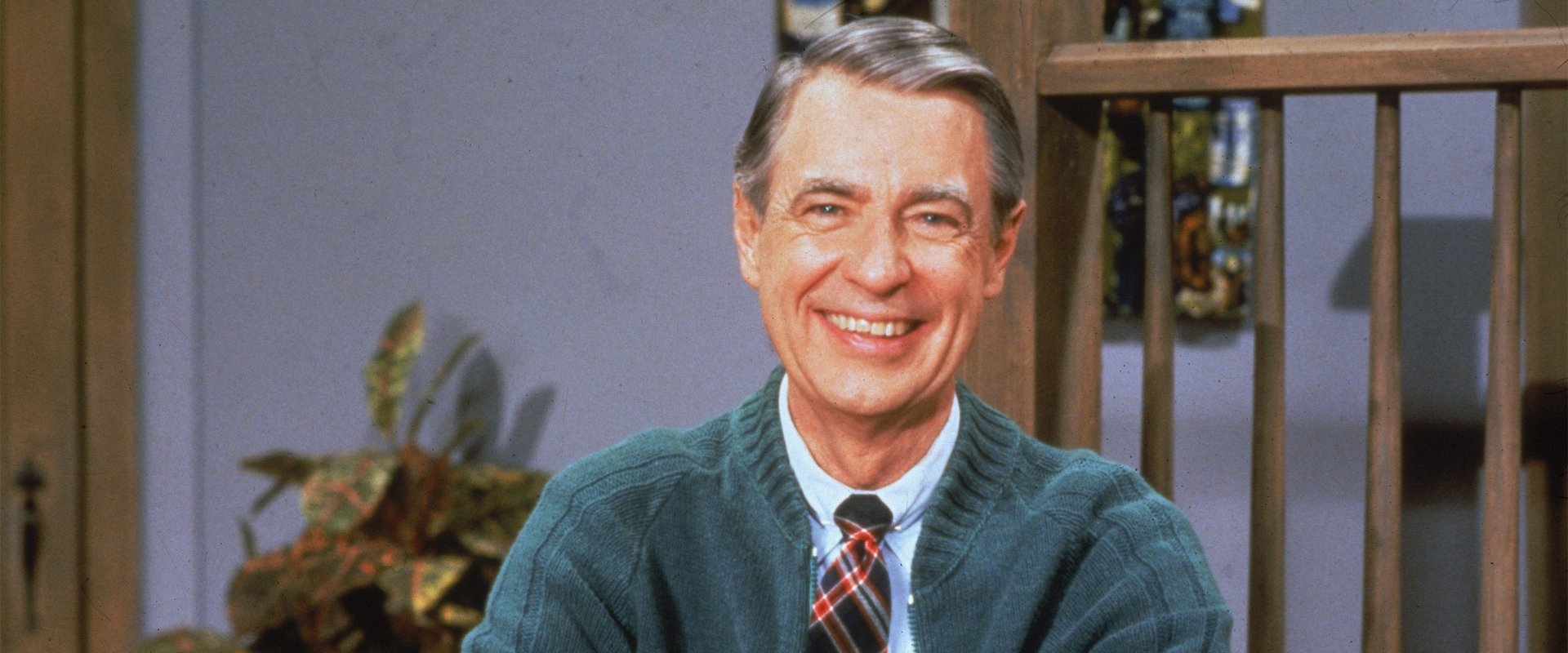
If your kid is used to the neon strobe lights and high-frequency screeching of modern YouTube Kids, Fred Rogers is going to feel like a power outage. There is no "hook" in the first five seconds. There are no jump cuts. There isn't even a plot in the traditional sense. Most episodes are just a guy in a cardigan talking to you about his day while a trolley dings in the background.
This isn't an accident. Rogers was famously intentional about the "one-to-one" relationship, treating the camera like a mirror. For a toddler, this is intense. While a modern cartoon treats the viewer like a passive consumer of chaos, this show treats the viewer like a participant in a conversation. If you’re wondering why modern animation makes real life feel boring, look no further than the contrast between a 1970s factory tour and a 2024 "Surprise Egg" unboxing. One builds a sense of logic and sequence; the other just spikes dopamine.
Low-fi puppets and high-stakes drama
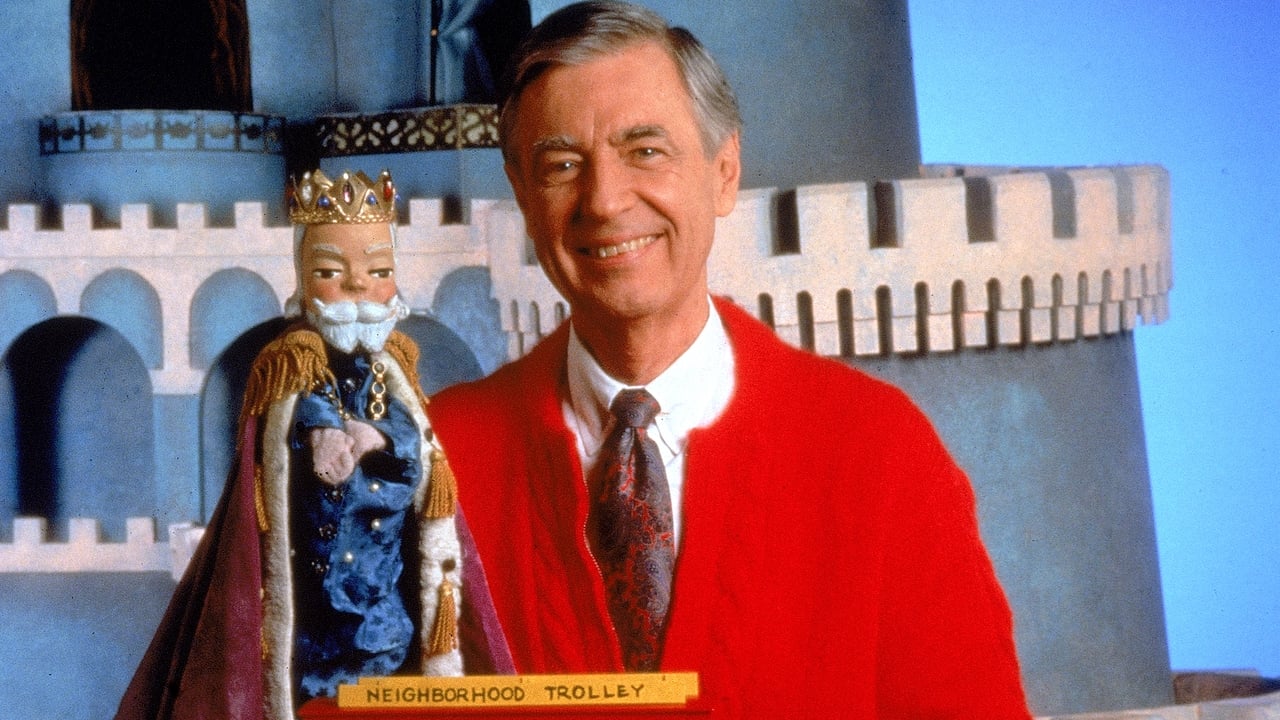
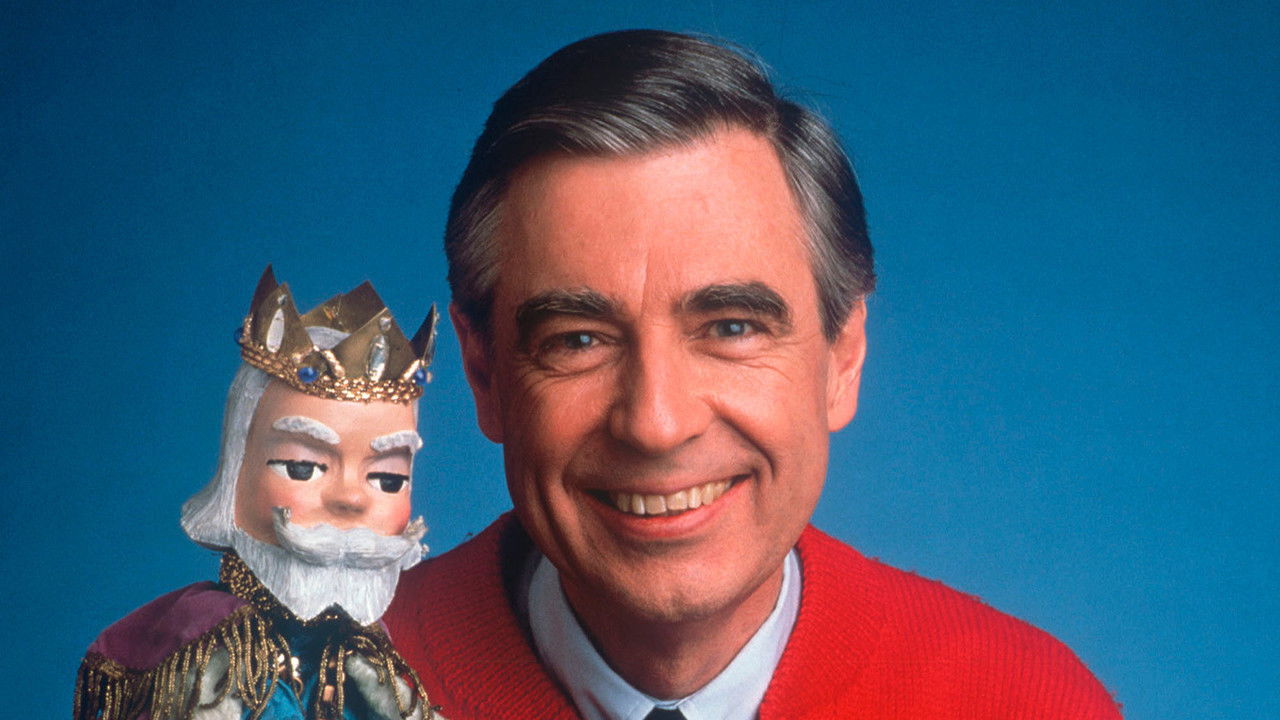
The Neighborhood of Make-Believe is where the show gets "weird" for modern parents. The puppets are, frankly, a little rough. They don't have articulated facial expressions. They don't have CGI glow-ups. Lady Elaine Fairchild looks like she’s seen things no puppet should ever see.
But here’s the thing: kids don't care about the resolution. They care about the stakes. The drama in the Neighborhood of Make-Believe is deeply relatable to a four-year-old. It’s about King Friday being too bossy, or Daniel Tiger feeling invisible, or the fear of being "sucked down the bathtub drain." Because the visuals are so stripped-back, the emotional content has to do all the heavy lifting. It’s basically Succession for the preschool set, but with more felt and fewer expletives.
The "Satisfying Video" before it was a trend
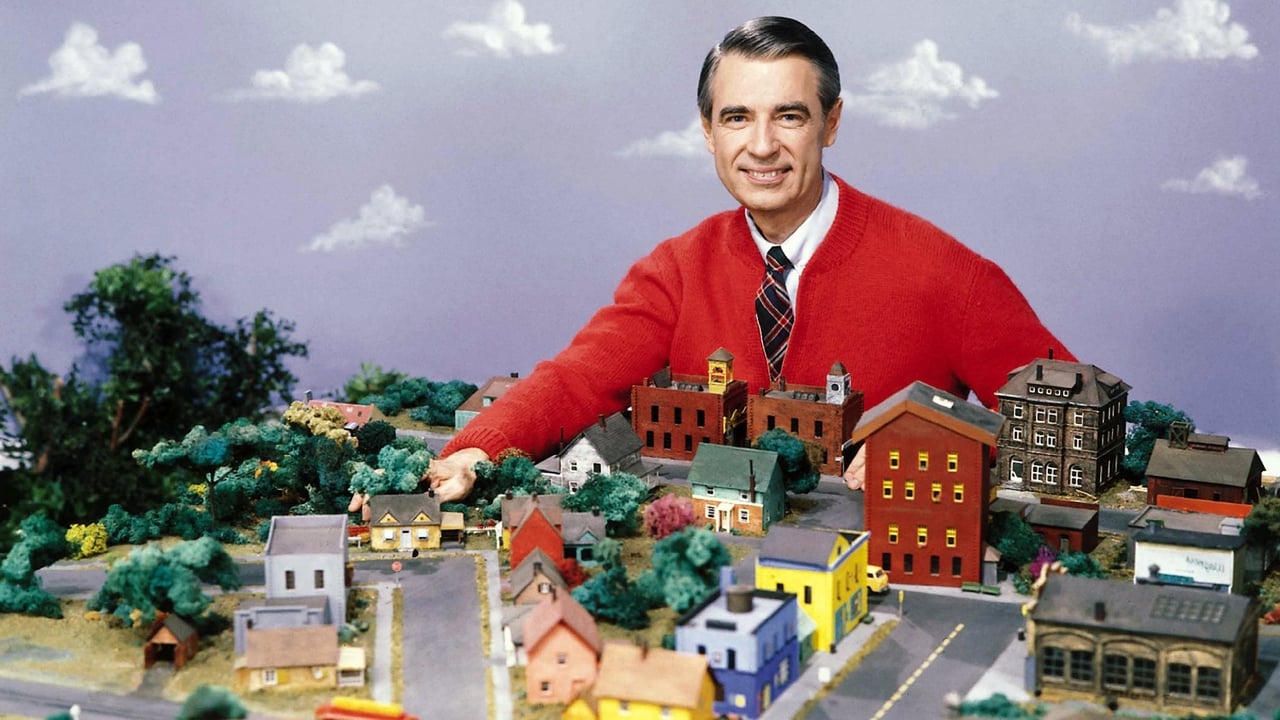
Long before "Oddly Satisfying" TikToks were a thing, Mr. Rogers' Neighborhood was perfecting the art of the factory tour. Whether it’s how people make crayons, sneakers, or those little wooden spoons for ice cream, these segments are hypnotic.
There is a profound respect for labor and process here that you just don't see in modern media. Fred doesn't narrate over the footage with frantic energy; he lets the sounds of the machines breathe. It teaches a kid that the world is built by hands and tools, not just spawned into existence by an algorithm. If your kid is the type who spends twenty minutes watching a garbage truck lift a bin, these segments will be their favorite part of the show.
How to bridge the gap
Don't just turn this on and walk away, especially if your kid is already accustomed to high-octane shows. They will likely look at you like you’ve lost your mind.
The best way to "sell" this is to treat it as a wind-down tool. Use it in that fragile hour before dinner or right before the bedtime routine starts. Because the show’s internal clock is so slow, it actually helps lower a child’s heart rate. It’s the media equivalent of a weighted blanket.
You don't need to explain that it's "old" or "classic." Just let the silence do the work. Eventually, they’ll stop waiting for the explosion and start listening to the man in the sweater. In a world that is constantly shouting for their attention, Fred Rogers is the only one who knows how to whisper.