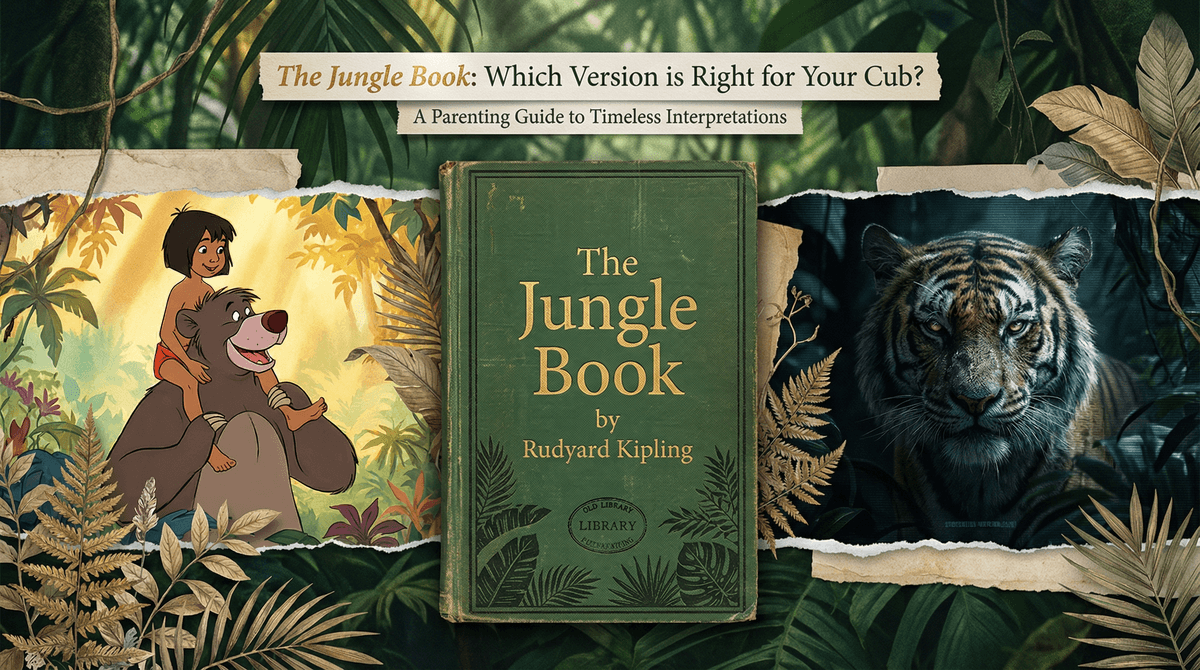
The "Uncanny Valley" of the jungle
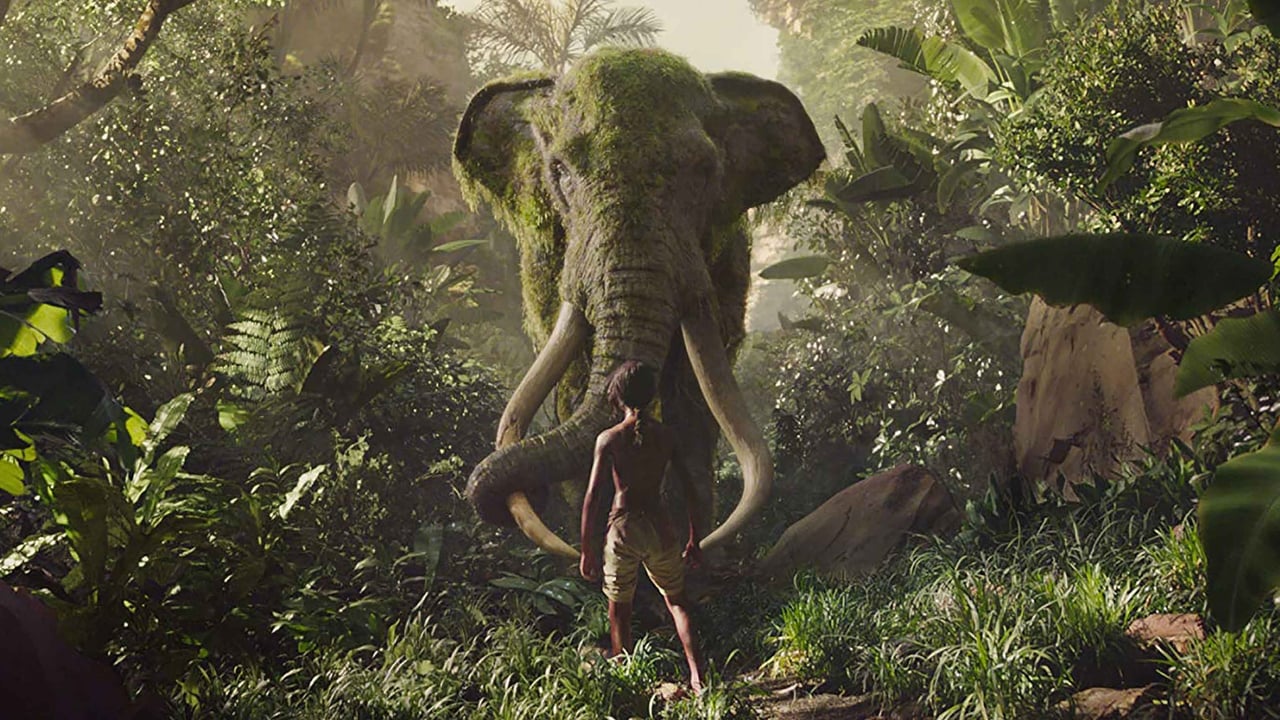
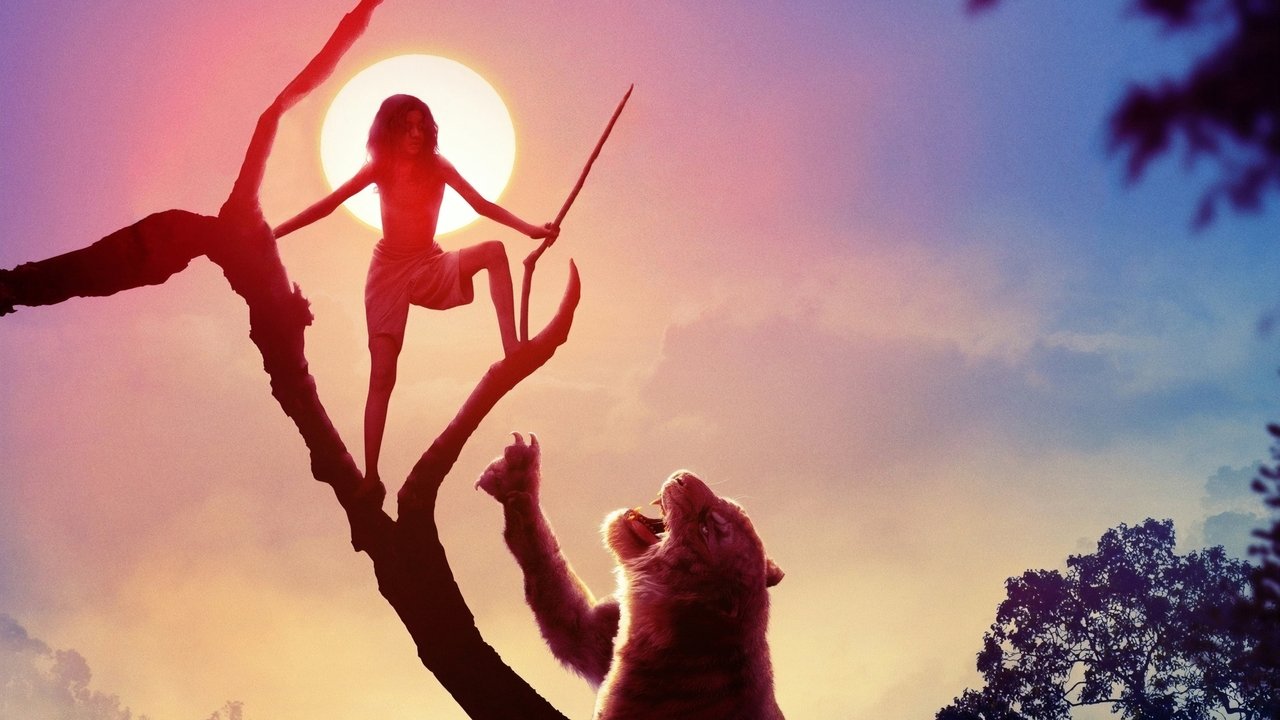
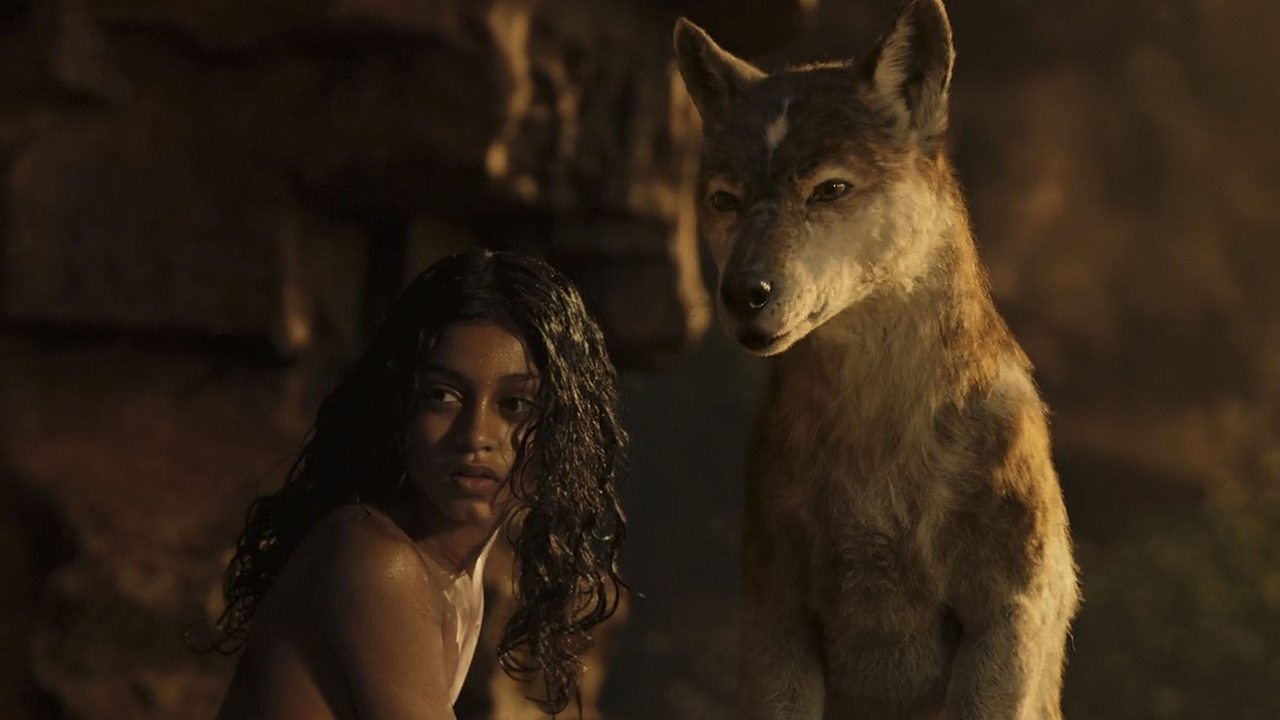
If you’re used to the expressive, bouncy animation of Disney, the visual style here is going to be a shock. Director Andy Serkis is the king of performance capture, and he leans into it hard. Instead of animals that look like high-def National Geographic subjects, these creatures have faces that look suspiciously like the actors playing them. You can see Christian Bale’s intensity in Bagheera and Benedict Cumberbatch’s sneer in Shere Khan.
For some, this makes the performances feel more visceral and human. For others, it’s a trip straight into the "uncanny valley" where the animals look just human enough to be unsettling. It’s a deliberate choice that moves the movie away from "talking animal flick" and into the territory of a Shakespearean drama that just happens to be set in the mud.
Not your Disney "Bare Necessities"
The biggest mistake you can make is treating this as an alternative to the 2016 Disney remake. While they share a source material, they are fundamentally different genres. If you're trying to figure out which version of the Jungle Book is right for your cub, know that this version is the one that actually respects the grit of Rudyard Kipling’s original stories.
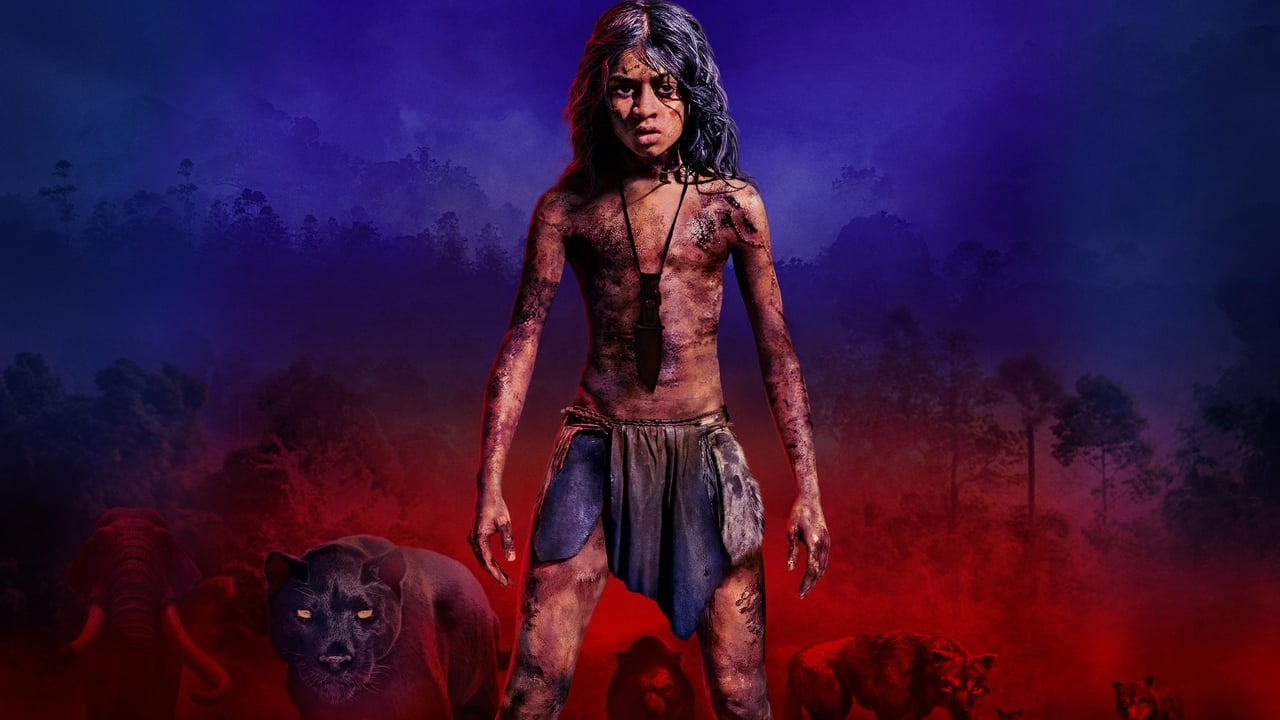
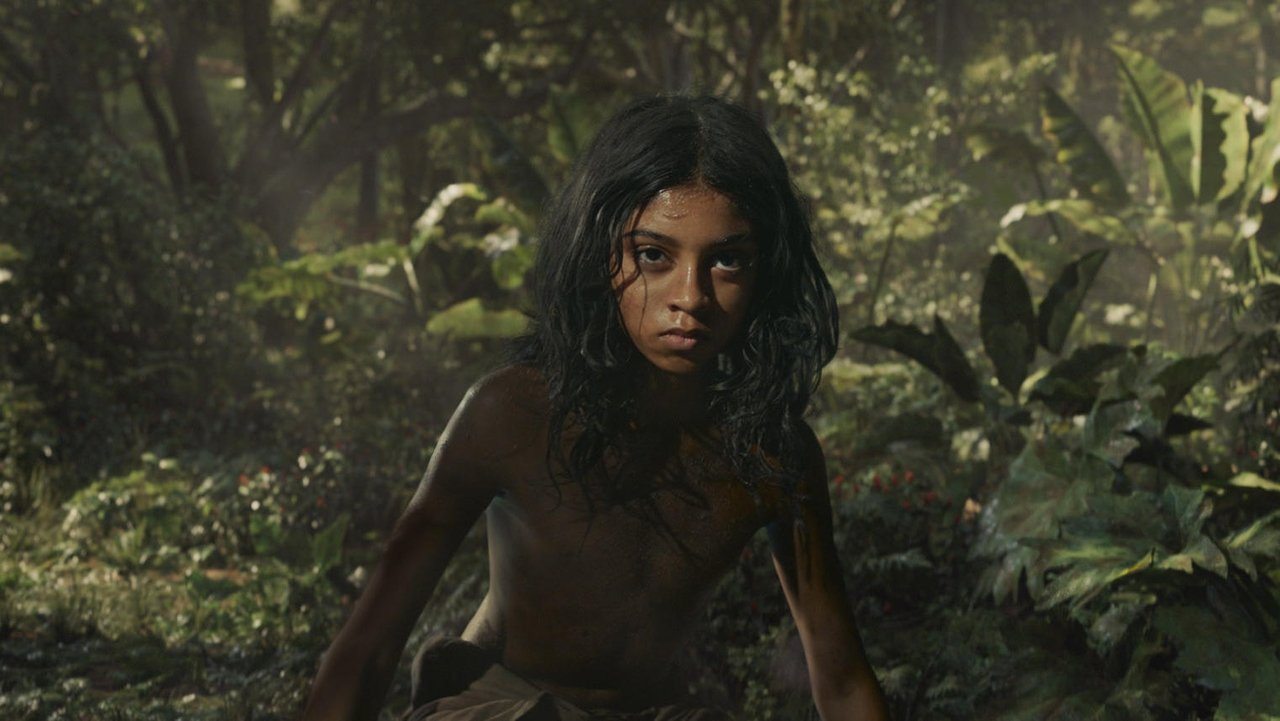
In this world, the jungle is a place of consequence. When Mowgli fails a test, it’s not a cute montage; it’s a moment of genuine shame and physical danger. The "Law of the Jungle" isn't a catchy song—it’s a brutal social contract that keeps everyone from killing each other. This makes the stakes feel much higher, but it also means there are very few "fun" scenes to balance out the tension.
The friction of the "Middle Child" movie
This film occupies a strange middle ground in the streaming landscape. It’s too intense for the elementary school set who just want to see a cool wolf pack, yet the "talking animal" conceit might make some older teens roll their eyes before they give it a chance.
The real value here is for the kid who is starting to outgrow standard hero tropes. Mowgli isn't a chosen one with superpowers; he’s a kid who is physically weaker than everyone around him and has to use his humanity—his ability to use tools and fire—as a survival mechanism. It’s a story about the cost of belonging. If your teen is into stories where the protagonist has to make ugly choices to survive, this will land. If they’re looking for a lighthearted escape, they’ll probably find the unrelenting bleakness a bit of a slog.
Why the "horror" label sticks
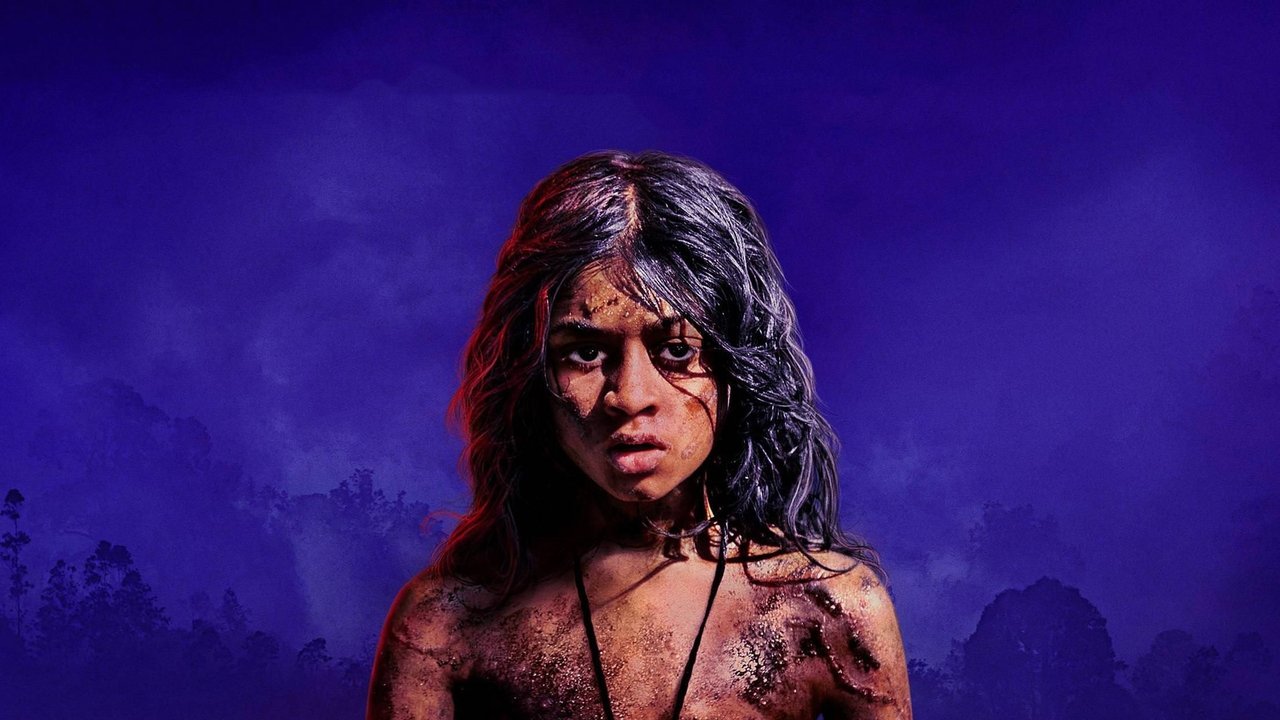
Some critics have called this a horror film for kids, and while that’s a stretch, the atmosphere is heavy. There’s a specific scene involving a trophy room that is genuinely haunting and will stay with a kid much longer than any jump scare in a PG movie. It’s the kind of imagery that sparks a "wait, can they show that?" reaction.
If you decide to hit play, do it on a night when everyone is in the mood for something serious. This isn't background noise for folding laundry. It’s a demanding, visually dense movie that wants you to feel the dirt and the blood. It’s an impressive feat of filmmaking, even if it’s not exactly "fun" to watch.