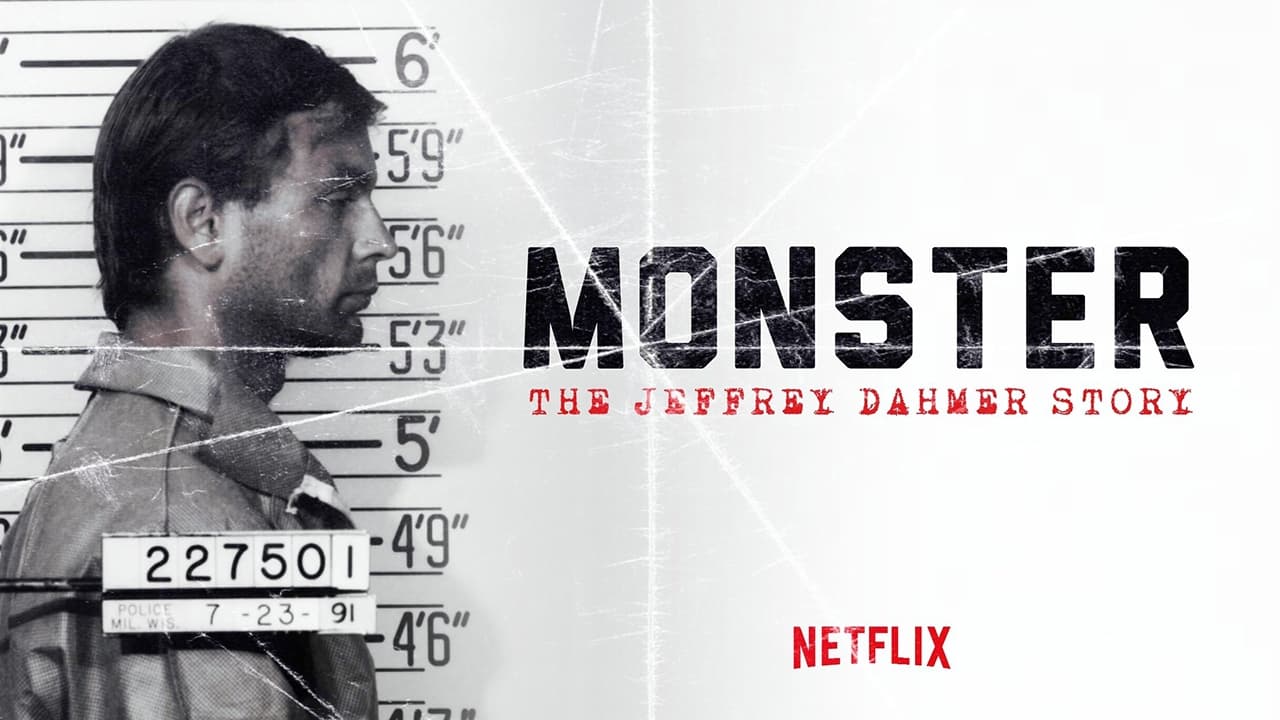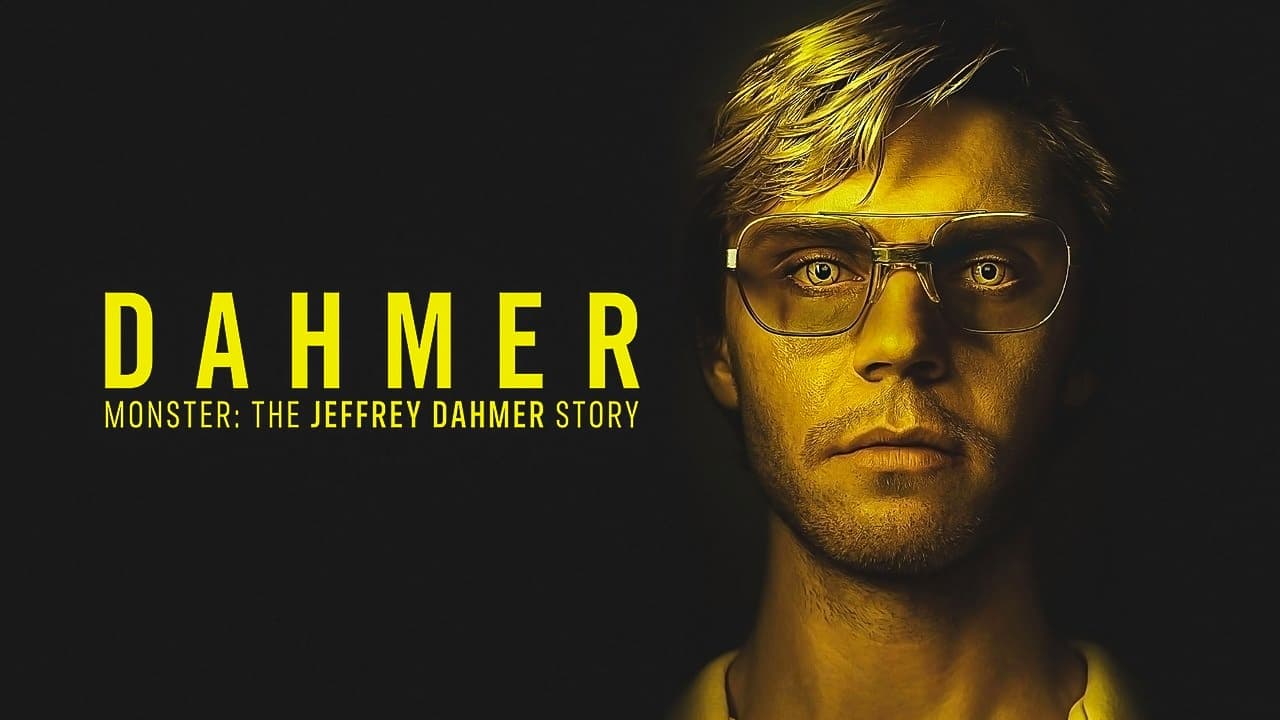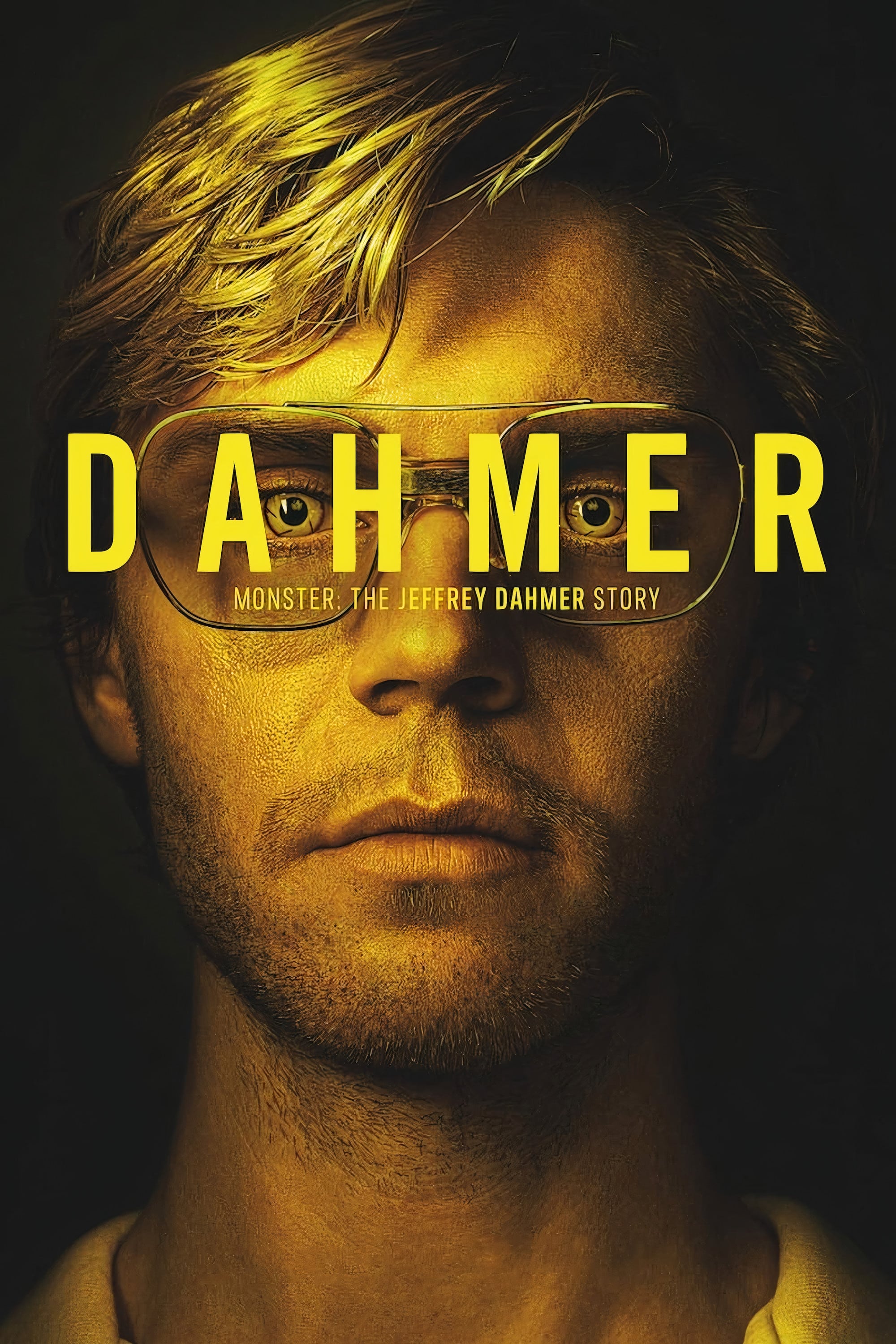

Monster: The Jeffrey Dahmer Story

Monster: The Jeffrey Dahmer Story

show

TV-MA, 2022

WISE
8%

WISE Score

41

Avg. Tomatometer

Netflix's graphic dramatization of Jeffrey Dahmer's murders—absolutely not for kids, and questionable even for adults.

IMDb7.8
RT Critics41%
MC40
Common Sense Media
Where to Watch
Loading streaming options...
Screenwise Verdict

Look, true crime is having a moment, and Monster rode that wave to massive Netflix viewership. But let's be clear: this is not for kids, not for teens, and frankly, questionable even for adults.

The series has some merit in examining how systemic racism and homophobia allowed Dahmer to keep killing—marginalized victims were ignored,警察 dismissed concerns from Black neighbors, and institutional failures compounded. If you're going to watch it, that's the lens that matters.

But critics panned it (40 on Metacritic) while audiences ate it up (7.8 IMDb, 63% RT audience score), which tells you everything about our current relationship with true crime as entertainment. Families of victims have spoken out against it, saying Netflix never contacted them and is profiting from their trauma.

The WISE score is rock bottom because this is the opposite of wholesome, barely safe for anyone, and the enrichment is debatable when weighed against the exploitation. If you're a parent and your teen is asking to watch this—the answer is no. If you're an adult considering it yourself, ask why you want to watch graphic reenactments of real murders. Sometimes the answer is a legitimate interest in criminal justice reform. Often it's just rubbernecking.

Age Fit

This is strictly 18+ content. Common Sense Media says 16+, but that feels optimistic given the graphic nature. This isn't a teaching tool for teens—it's adult true crime drama with extremely disturbing content that even many adults will find unwatchable.

WISE Breakdown
Wholesome
5

This series depicts extreme violence, murder, dismemberment, cannibalism, and sexual assault in graphic detail. It's a deep dive into one of America's most notorious serial killers with disturbing content throughout. Per IMDb parent guides, there's constant smoking, drinking, and deeply disturbing behavior. This is the opposite of emotionally healthy content—it's designed to unsettle and horrify.

Imaginative
35

While the series attempts a fresh narrative approach by examining systemic failures and showing perspectives of victims and families, it's still a true crime dramatization following a well-documented case. There's some creative storytelling in how it frames the investigation and social context, but it's constrained by real events and focuses on procedural/horror elements rather than inviting curiosity or creative thinking.

Safe
0

Absolutely unsafe for children. Contains graphic violence, gore, sexual content, murder scenes, dismemberment, cannibalism, substance abuse, and deeply traumatic material throughout. Common Sense Media rates it 16+, but even that feels young. This has every trigger warning imaginable—death, violence, sexual assault, torture. Netflix does have kids mode that blocks it, but this is definitionally unsafe content for young viewers.

Enriching
45

There is some educational value in examining how systemic failures, racism, and homophobia allowed Dahmer to continue killing. The series attempts to give voice to victims and explore societal issues. However, critics (40% on Metacritic, 41% on RT) suggest it sensationalizes trauma for entertainment. The enrichment is questionable when weighed against the exploitative nature of dramatizing real murders for Netflix viewership.

Parent Info

Why It Might Be Great

  • Attempts to examine systemic failures in policing and how racism and homophobia enabled the crimes to continue
  • Gives screen time to victims' stories and perspectives rather than just glorifying the killer
  • Strong performances (Evan Peters) that humanize the horror without excusing it
  • Sparks difficult but important conversations about institutional failures and marginalized communities

What to Watch For

  • Extremely graphic violence, gore, sexual content, and disturbing imagery throughout—this is hard-R content
  • Families of victims have publicly criticized the series for exploiting their trauma without permission
  • True crime as entertainment raises ethical questions about whose stories we consume and why
  • Can be deeply triggering for anyone with trauma related to violence, assault, or loss
  • The 7.8 IMDb rating vs 40 Metacritic split tells you everything—audiences love true crime spectacle, critics question the ethics

Conversation Starters

  • "Why do you think true crime is so popular right now? What are we getting from watching other people's real trauma?"
  • "The series shows how police ignored multiple warnings—what does that tell us about who gets protected and who doesn't?"
  • "How do you feel about Netflix making entertainment out of real murders that happened to real people?"
  • "What's the line between educating people about systemic failures and just exploiting tragedy for views?"

Deep Dive

The Aesthetic of Atrocity

The first thing you’ll notice about this series is that it looks expensive. It uses a desaturated, sickly yellow-green palette that screams prestige drama. This isn't a low-budget reenactment you’d find on basic cable at 2 AM. Because the production value is so high, it’s easy to forget you’re watching the worst moments of real people's lives.

Critics were largely repulsed, which explains that 40 Metacritic score. They saw a show that tries to have it both ways: it wants to be a somber indictment of the Milwaukee police, but it’s shot like a high-end slasher movie. Audiences, however, gave it a 7.8 on IMDb. That gap exists because the show is undeniably gripping. It’s a masterclass in tension, but that tension is often parasitic. It feeds on your curiosity about the macabre while pretending to be a serious social critique.

The Consent Gap

The most jarring part of the Monster phenomenon isn't the gore on screen; it’s the fallout off-screen. Unlike fictional horror, these were real people with families who are still alive. The specific friction here is that Netflix didn't actually need permission from the victims' families to tell this story, and by many accounts, they didn't seek it.

When a show becomes a global hit but the families of the people depicted say it feels like being re-traumatized for a corporate bottom line, the "systemic failure" theme starts to feel hollow. It’s hard to claim you’re exposing exploitation while you’re profiting from it. If you’re watching this for the "social commentary," you have to reckon with the fact that the production itself bypassed the very people it claims to honor.

The Social Media Pull

If your teen is asking to watch this, they probably aren't looking for a history lesson on 1980s policing. They’re likely following the algorithm. True crime has become a massive social currency, and this show in particular dominated TikTok and X for months.

Before you decide where to draw the line, it’s worth reading up on how to navigate true crime TV with your teen to figure out if they’re looking for a way to process real-world ethics or if they’re just chasing the next viral shock moment. This isn't just another scary story. It is a deep dive into a very real, very dark part of history that doesn't offer a "fun" payoff. If they liked the fictionalized creepiness of something like You, they need to understand that Monster isn't playing by the same rules of engagement.

Stills
Monster: The Jeffrey Dahmer Story — still 1
Monster: The Jeffrey Dahmer Story — still 2
Monster: The Jeffrey Dahmer Story — still 3
Monster: The Jeffrey Dahmer Story — still 4
Monster: The Jeffrey Dahmer Story — still 5
Monster: The Jeffrey Dahmer Story — still 6
Monster: The Jeffrey Dahmer Story — still 7
Monster: The Jeffrey Dahmer Story — still 8

Ask Anything

Get a personalized guide on any topic