The "90s TV Movie" hurdle
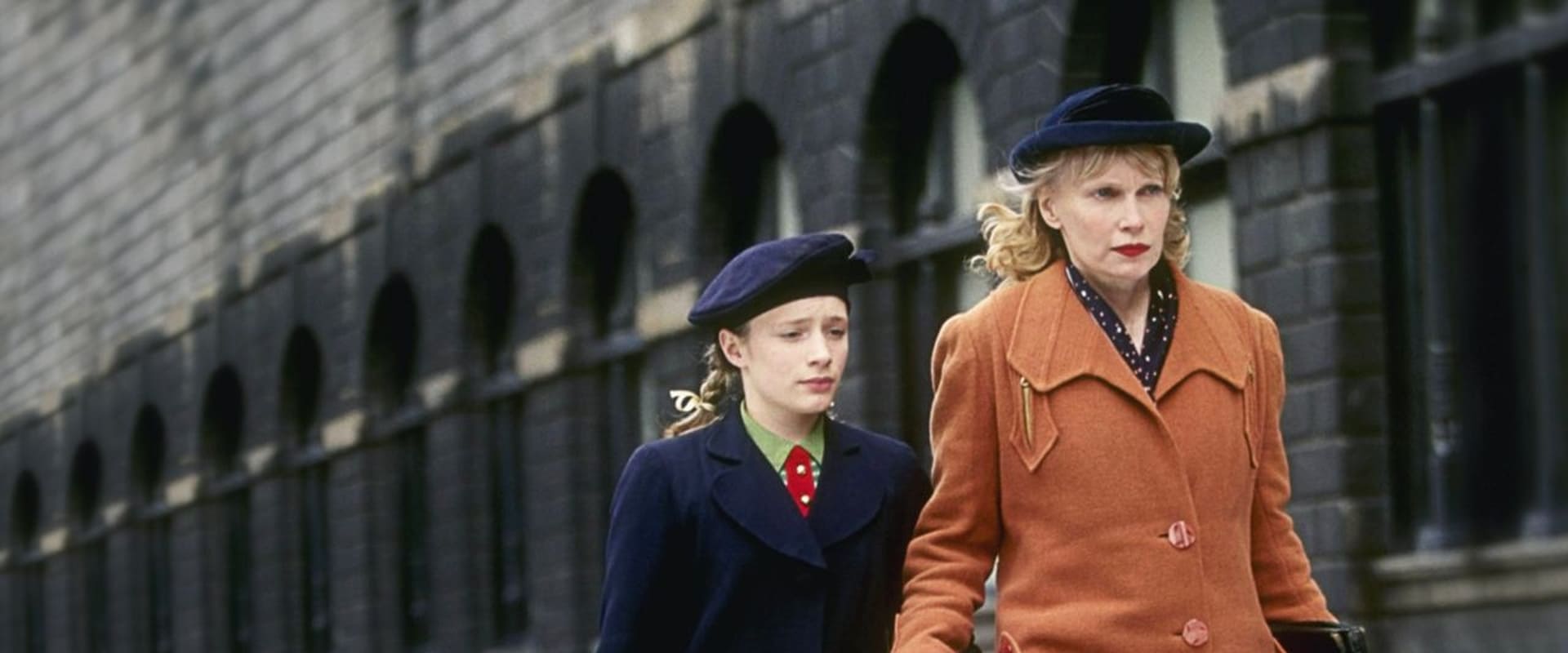
There is a specific flavor of production from the late 90s that kids today find almost unwatchable. The lighting is flat, the music is manipulative, and the acting often feels like a high school theater production with a better budget. Miracle at Midnight suffers from all of these. It was originally a "Wonderful World of Disney" television event, and it carries that earnest, slightly stiff DNA.
If your kid is used to the high-octane pacing of modern streaming dramas, they are going to find the first thirty minutes a slog. You aren't watching this for the cinematography or the edge-of-your-seat thrills; you’re watching it because it’s a functional, accessible entry point into a very specific slice of history. It’s a "starter" film for the genre.
The shadow on the wall
While the "TV movie" label might make it sound soft, the content is surprisingly grim. There is a specific moment involving the shadow of a hanging man that tends to stick with younger viewers. It’s a classic filmmaking trick—showing the shadow instead of the body—but it’s arguably more haunting because it leaves the details to a child's imagination.
The film also touches on suicide and features on-screen shootings. It doesn't revel in the gore, but it doesn't look away either. This creates a weird friction: the production values feel like a "safe" family movie, but the imagery is unflinching. If you are browsing War Dramas for Families, this is one where the "Disney" branding might lead you to lower your guard more than you should.
The "Number the Stars" connection
If your middle-schooler has read Number the Stars in class, this is the unofficial cinematic companion. It covers the exact same historical ground—the Danish resistance and the massive sea-lift of Jewish citizens to Sweden—but adds a layer of visual reality that a book sometimes lacks.
The movie’s greatest strength is showing that resistance wasn't just about soldiers with guns; it was about doctors, students, and parents making terrifying logistical decisions in the middle of the night. It’s less about the "why" of the Holocaust and more about the "how" of being a decent human being when the world goes dark.
How to watch it without the eye-rolls
To get a modern 12-year-old through this, you have to frame it as a historical document rather than Friday night entertainment.
- Watch it in chunks. It’s a drama that breathes slowly.
- Lean into the "true story" aspect. Knowing that these specific escape routes actually existed makes the clunky dialogue easier to swallow.
- Compare the heroism. Ask them why the Danish response was so different from other occupied countries.
It’s currently sitting on Disney Plus, making it an easy, "free" resource if you already subscribe. Just don't expect it to compete with a blockbuster. It’s a teaching tool first and a movie second.