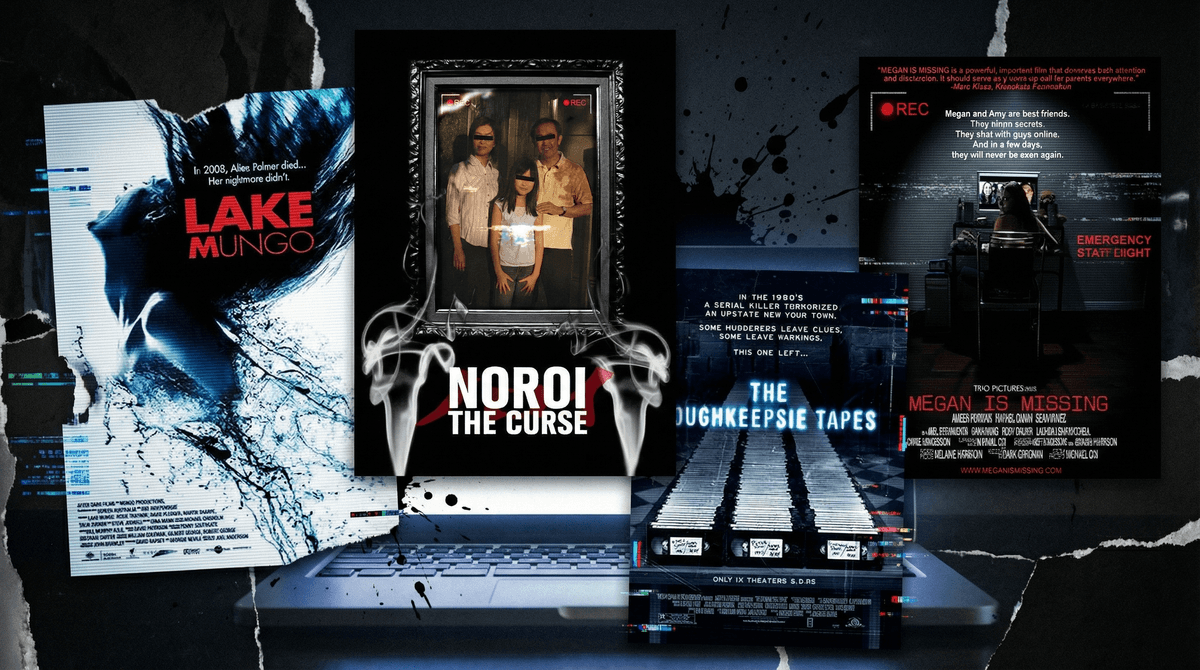
The forbidden fruit of TikTok
This movie doesn't exist in a vacuum; it exists as a dare. Most teens who go looking for it aren't searching for a compelling thriller or a nuanced take on internet safety. They are participating in a digital rite of passage that blew up on social media years ago. The hook is simple: "Can you finish it?"
When a movie is marketed—or memed—as being "too disturbing to watch," it becomes an immediate magnet for any kid trying to prove they have a thick skin. The problem is that while most horror movies operate on a level of fantasy or "fun" scares, this one aims for a level of realism that feels invasive. It’s the cinematic equivalent of a jump-scare that never ends. If your teen is hovering around this title, they’re likely chasing the clout of having survived it rather than any actual interest in the story.
The found footage trap
The format is what makes this particularly toxic for younger viewers. Because it uses the "found footage" gimmick, it bypasses the mental filters we usually have when watching a movie. We know a standard slasher is a set with actors and a crew, but the shaky cams and low-res video here are designed to look exactly like the FaceTime calls and YouTube uploads your kids see every day.
This blur between fiction and reality is why the movie sticks. It’s helpful to understand the appeal of extreme horror content and why the "found footage" style hits so much harder than a big-budget production. In this case, that realism isn't a mark of quality—the 1.7 Letterboxd score confirms the filmmaking is amateurish—it's just a tool used to make the graphic content feel more "snuff" than "cinema."
The "cautionary tale" lie
The biggest friction point for parents is the claim that this is an educational tool. It isn't. An actual cautionary tale teaches you how to spot red flags or navigate digital boundaries. This movie just shows you the worst-case scenario in the most explicit way possible.
If a teen argues they should watch it to "learn about predators," point out that the movie’s audience scores are in the basement for a reason. Critics and viewers alike generally agree it’s not smart or helpful; it’s just mean. There is no "lesson" in the final act that couldn't be taught with a five-minute conversation or a reputable article. Watching it for "safety reasons" is like staring at a sun and hoping to learn about solar energy—you aren't getting smarter; you’re just getting hurt.
If they want the thrill, pivot
If your kid is genuinely interested in the "missing person" or "internet mystery" genre, there are better ways to scratch that itch. There are plenty of "screenlife" movies that use the same computer-screen format to tell actual stories with tension and stakes without resorting to the unnecessary trauma porn found here.
When a kid says they’re ready for "intense" stuff, they usually mean they want to feel their heart race. This movie doesn't do that. It just makes you feel greasy. If they’ve already seen clips or heard the hype, the move isn't to panic. It’s to explain that the "challenge" of watching this isn't a test of bravery; it's just a waste of a Saturday night on a movie that even horror fans think is a dud.