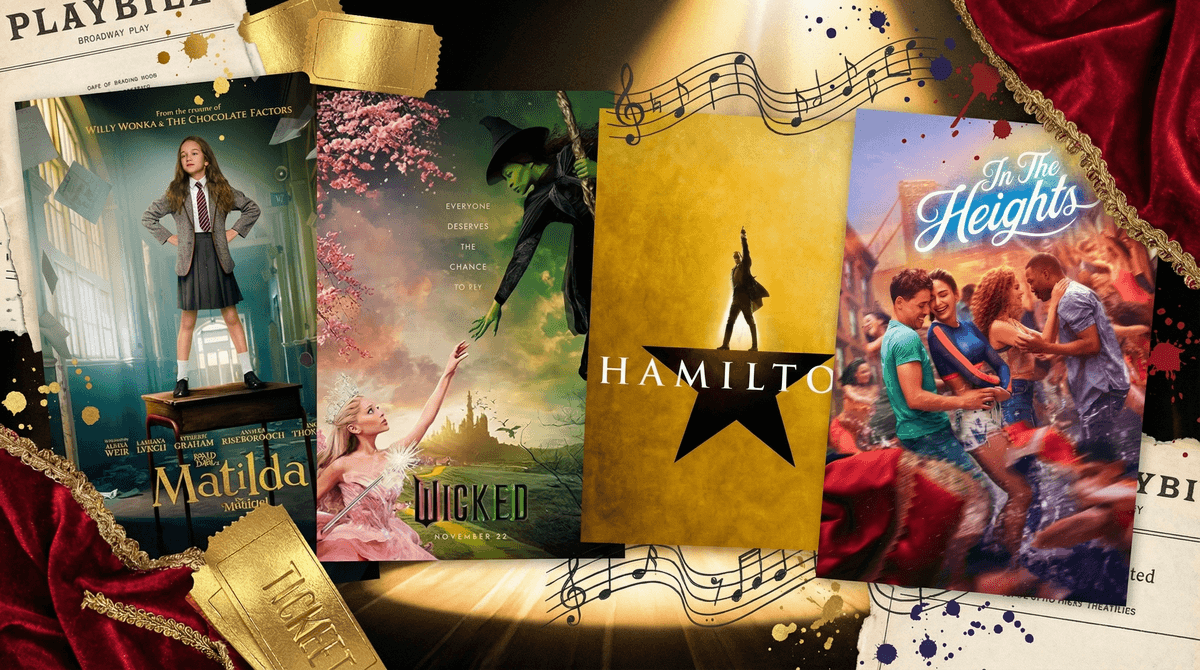
If your family’s primary touchstone for this story is the 1996 movie, the first thing you’ll notice is how much more theatrical this version feels. It isn't just a remake with songs; it’s an adaptation of the stage musical, which means it trades the grounded, slightly grimy feel of the 90s film for something vibrant, stylized, and deeply British. The energy is infectious, especially during the massive ensemble dance numbers that have already become iconic in their own right.
The "Revolting Children" Energy
The standout moment for most kids—and the one that took over social media—is the "Revolting Children" sequence toward the end. It’s a high-octane anthem about reclaiming power that feels more like a protest than a school assembly. This version of Matilda leans heavily into the idea that "being naughty" is a necessary survival skill when the system is rigged against you.
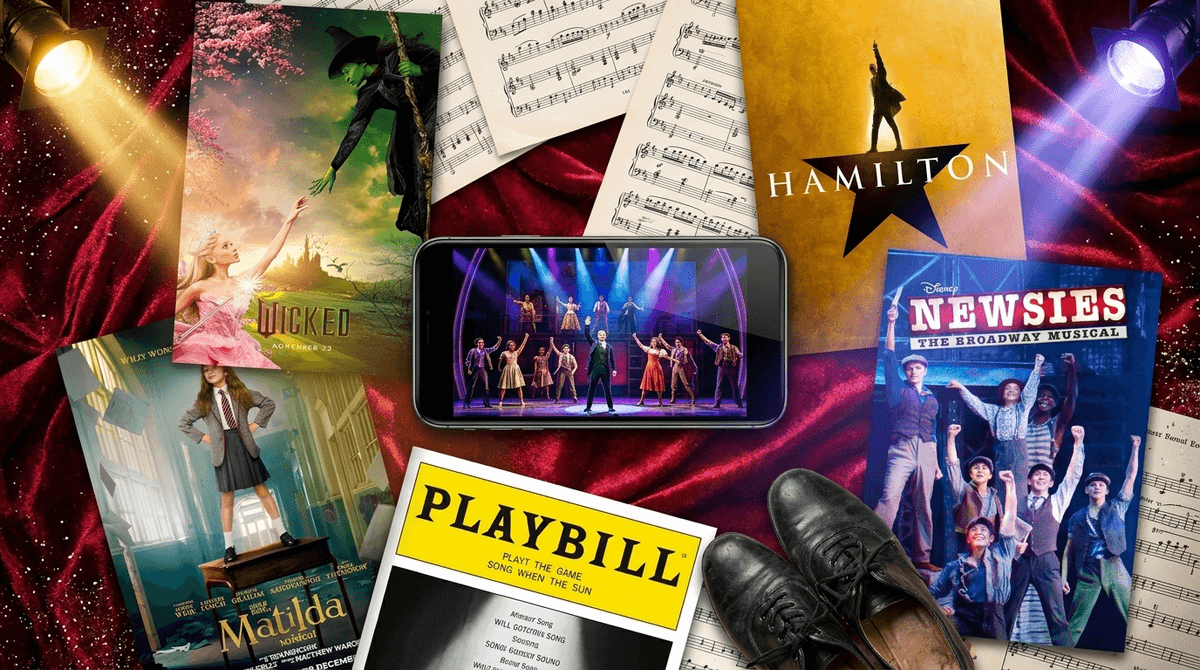
If your child is interested in how these stories move from the page to the theater and finally to your TV, this is a perfect entry point for musical theater for kids. It captures that specific Broadway magic where the emotions are too big for dialogue, so everyone has to sing. It’s a great way to help them understand how musical theater builds early life skills like empathy and confidence through performance.
Navigating the Dahl Darkness
Roald Dahl’s work has always been characterized by a certain level of cruelty from adults, and this film doesn't blink. The Trunchbull is a "final boss" level villain. She doesn't just yell; she creates an atmosphere of genuine psychological dread. For some kids, the "Chokey"—a spike-filled closet—might be a bit much.
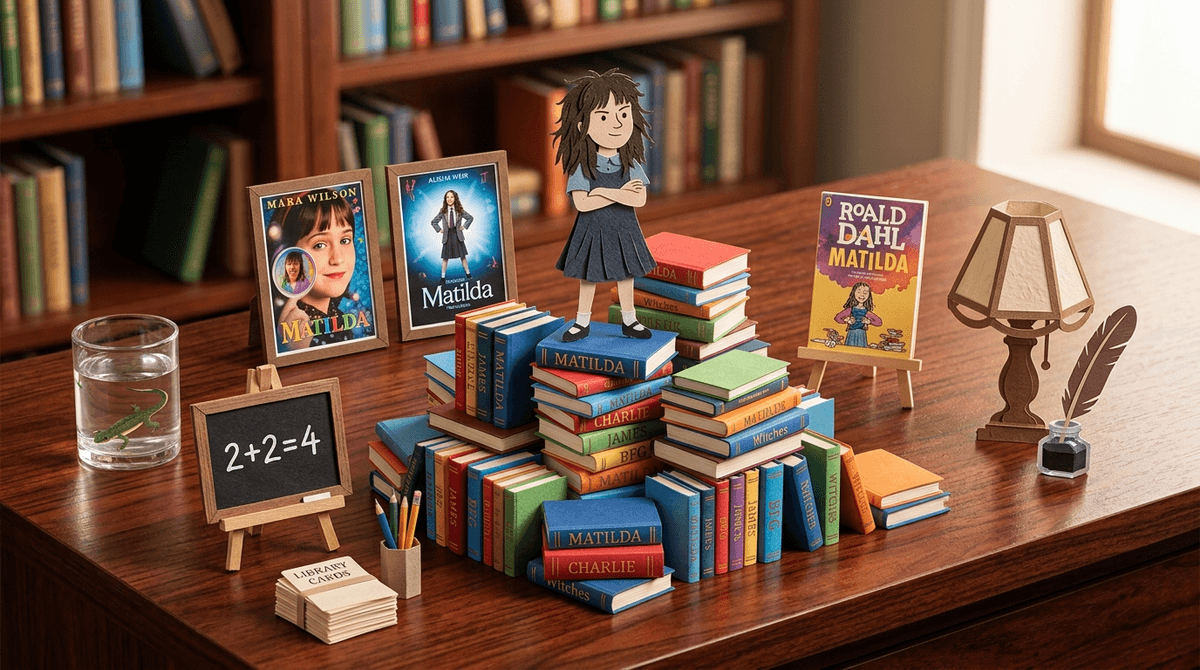
However, this darkness is exactly why the story works. It makes Matilda’s eventual victory feel earned rather than inevitable. It’s a masterclass in books vs. movie adaptations, showing how a story can change its "flavor" while keeping its core message about standing up for what's right. If you’re worried about the intensity, use it as a springboard to talk about characters who stand up to bullies and how Matilda uses her brain—and her literal powers—to change her circumstances.
Why the "Found Family" Matters
Beyond the telekinesis and the catchy hooks, the heart of the movie is the relationship between Matilda and Miss Honey. In a world where Matilda’s biological parents are cartoonishly neglectful, her bond with her teacher is a beautiful example of how kids can find support in unexpected places. We often see these movies about found families resonate deeply with kids who feel like they don't quite fit into the boxes their own families have built for them. It’s a sweet, necessary counterweight to the bombastic villainy of the rest of the film.