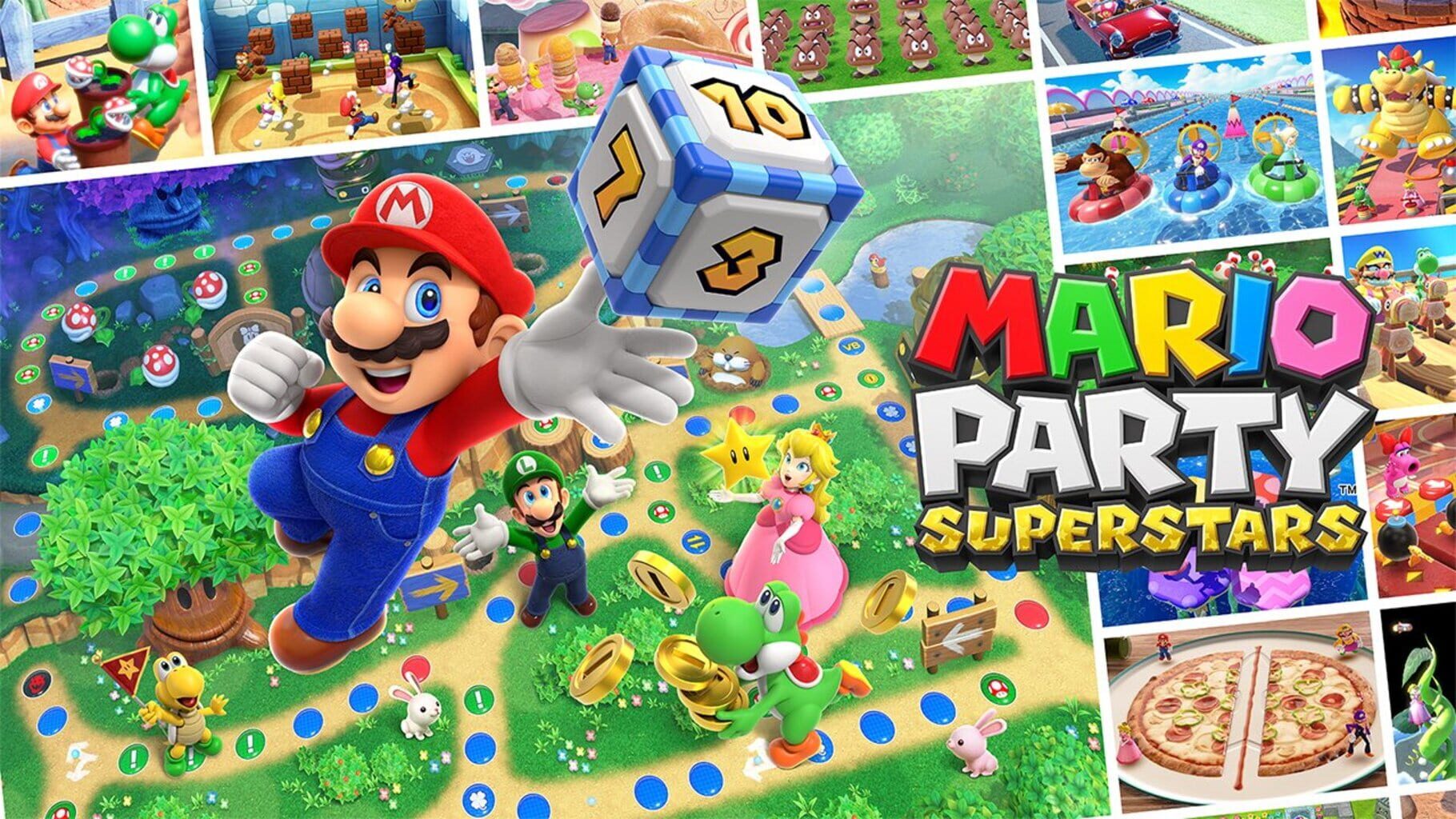
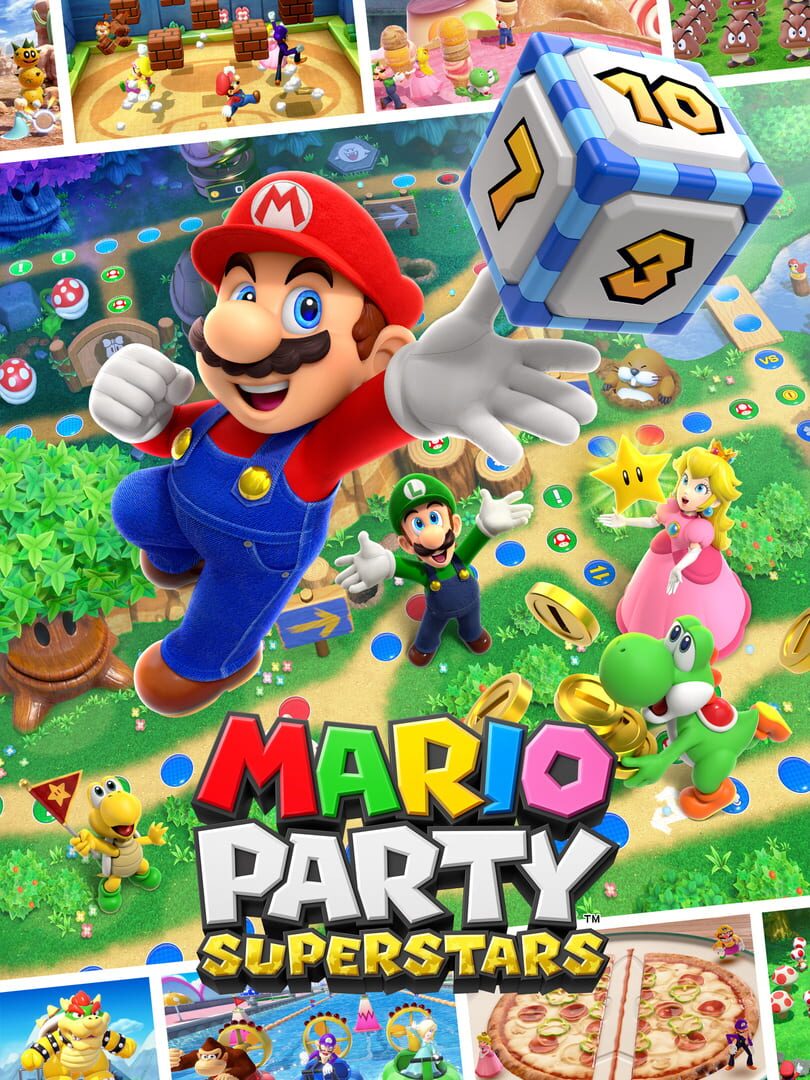
Mario Party Superstars

Mario Party Superstars

game

2021, Card & Board Game

WISE
72%

WISE Score

80%

IGDB

The ultimate 'sorry we're still friends after this' couch game—classic Mario Party boards without the predatory modern gaming nonsense.

Where to Play

Screenwise Verdict

Mario Party Superstars is that rare modern game that feels like it respects your family—no battle passes, no loot boxes, no chat toxicity, just pure chaotic board game fun. It's Nintendo doing what Nintendo does best: polished, accessible party games that work for mixed-age groups.

The WISE score lands at 72 because while it's wholesome and safe, it's not particularly imaginative (it's literally remastered N64 boards) and the enrichment is more 'strategic thinking practice' than deep learning. But honestly? That's fine. Not everything needs to be educational.

The real consideration is temperament: if your kid melts down when they lose at Candy Land, Mario Party's chaos will be nuclear. But if they can handle the ups and downs of competitive play, this is one of the best family gaming experiences available. Just maybe keep the 'steal a star' conversations in mind for post-game debriefs.

Age Fit

Best for ages 6-13, though younger kids can participate with help. The sweet spot is 7-11 when kids understand strategy but still find the chaos delightful rather than rage-inducing. Teens might play ironically or with nostalgia but won't be the primary audience.

WISE Breakdown
Wholesome
82

Mario Party Superstars features classic Nintendo characters in lighthearted competitive board game play. The tone is cheerful and colorful, though competitive elements involve 'sabotaging' opponents through game mechanics (stealing stars/coins). Models turn-taking and good sportsmanship in a party game context, though can spark real-world sibling rivalry. Pacing is balanced with structured turns rather than chaotic action.

Imaginative
58

This is a remaster of classic N64 boards with 100 minigames, so originality is limited—it's nostalgia-driven rather than innovative. The game invites strategic thinking about board movement and star collection, but doesn't offer creative building, exploration, or open-ended expression. Minigames provide variety but are predetermined challenges rather than imaginative play spaces. Solid execution of a proven formula, but not pushing creative boundaries.

Safe
88

Very safe for its target audience. No in-game purchases or loot boxes. Online play exists but without open chat functionality, limiting toxic interaction risks. No violence beyond cartoon slapstick in minigames (characters bonking each other, falling, etc.). The competitive nature can trigger frustration and arguments in real-world play, especially with younger kids who struggle with losing. No surprise content concerns—it's exactly what it appears to be.

Enriching
65

Builds strategic thinking (resource management, risk assessment, board positioning) and basic probability understanding. Minigames develop hand-eye coordination and pattern recognition. Social skills practice through turn-taking and competitive play, though this can go either way depending on temperament. Entertainment value is high for the target demographic. Limited deeper cognitive or ethical growth—it's primarily designed for fun rather than education, which is perfectly fine for what it is.

Parent Info

Why It Might Be Great

  • Clean, no-IAP party game that the whole family can actually play together without nickel-and-diming you
  • Teaches strategic thinking, probability, and risk assessment in a fun context (when to use that item, which path to take)
  • 100 minigames mean tons of variety and skill-building from memory games to coordination challenges
  • Online play without open chat means kids can play with friends safely
  • Nostalgia goldmine for parents who grew up with N64 Mario Party—you can finally show your kids why you're competitive

What to Watch For

  • Competitive gameplay can absolutely trigger meltdowns and sibling wars—Mario Party has destroyed friendships since 1998
  • Younger kids (under 7) may struggle with losing and the 'unfair' randomness of events, leading to tears and controller-throwing
  • Games can run 45+ minutes, which is a long commitment when someone's losing badly
  • The 'steal a star' mechanic is devastating in real-time and may require parental mediation

Conversation Starters

  • "That was a tough break when Bowser took your coins—how did that feel? What's your strategy now?"
  • "Which minigame was your favorite and why? What made you good at it?"
  • "When you landed on that chance space, you had to make a choice—how did you decide what to do?"
  • "Is it more fun to win by a lot or have a really close game? Why?"
  • "How do you stay in a good mood when the game isn't going your way?"

Deep Dive

The "Greatest Hits" Reality Check

If you grew up with a Nintendo 64, this game is a massive nostalgia trip. But for your kids, it’s just the "pure" version of Mario Party. Unlike some other entries on the Switch, Superstars ditches the motion-control gimmicks and character-specific dice. It’s a return to form that relies on buttons, timing, and a reckless amount of luck.

Because this is a remix of classic boards like Space Land and Peach’s Birthday Cake, the maps are tighter and more aggressive than modern boards. If your family is used to the more forgiving mechanics of recent titles, the sudden "Chance Time" swap—where a kid can lose all their stars to a sibling in a single turn—can feel like a personal betrayal. It’s the digital equivalent of someone flipping the Monopoly board, except the game forces you to keep playing for another twenty minutes.

Managing the "Mario Party Tax"

The friction in this game isn't the controls; it’s the emotional volatility. This is one of the best Nintendo Switch games for 8-year-olds because it’s easy to pick up, but it’s also a masterclass in teaching kids to lose gracefully.

Nintendo leans heavily into "rubber-banding"—mechanics designed to help the person in last place catch up. While this keeps the game "fair" for younger players, it can be infuriating for a 10-year-old who played a perfect game only to lose because a hidden block gave the toddler two "Bonus Stars" at the very end.

If you have a child who struggles with executive function or emotional regulation, the "Bonus Star" reveal at the end of the game is the danger zone. We recommend setting a "House Rule" before the first roll: the game isn't over until the final tally, and those hidden stars are part of the chaos you agree to when you hit start.

Why it works for mixed-age groups

If you’re looking for the best Mario game for 5-year-olds, this is a solid contender because of the "Family" minigame filter. You can toggle the settings so the game only picks the simplest challenges, which levels the playing field significantly when a kindergartner is playing against a teenager.

It’s also a great way to introduce kids to Nintendo’s wider world. With Bowser acting as the ultimate disruptor on the board, kids get a taste of that classic hero-villain dynamic that’s currently everywhere in the 2026 media landscape.

"The tides can turn quickly in Mario Party, so stay vigilant."

That’s the official line, but the unofficial reality is that this is the digital board game that might actually bring your family together—provided you’re all okay with a little lighthearted sabotage. If you need a game that works for a rainy Sunday or a holiday gathering where the grandparents want to play too, this is the one to load up. Just keep the sessions to 10 or 15 turns if you want to finish before someone loses their cool.

Ask Anything

Get a personalized guide on any topic

Related Guides